
Introduction
Importance of Hiring Quality Talent
Hiring quality talent is one of the most critical factors that determine an organization’s success. High-performing employees not only drive productivity but also foster innovation, enhance customer satisfaction, and contribute to a positive workplace culture. In today’s fast-paced and competitive business environment, companies cannot afford to settle for mediocre hires. Instead, they need individuals whose skills, experience, and values align well with the organization’s goals and culture. Quality hires lead to better team dynamics, reduced turnover, and ultimately, stronger business outcomes. Therefore, the recruitment process must prioritize identifying and securing the best candidates to build a sustainable and competitive workforce.
Challenges in Traditional Hiring Processes
Despite its importance, traditional hiring processes often face significant challenges that hinder their effectiveness. Many organizations rely heavily on manual screening, subjective judgment, and inconsistent interview methods. This approach can lead to bias, missed opportunities, and prolonged time-to-hire. The recruitment funnel may become clogged with unqualified candidates, and hiring managers may struggle to differentiate between top talent and average applicants. Additionally, traditional methods may fail to capture the comprehensive profile of a candidate’s potential, such as cultural fit, soft skills, and long-term growth capability. These challenges often result in poor quality hires, high recruitment costs, and increased employee turnover, negatively impacting overall organizational performance.
Role of Analytics in Modern Recruitment
In response to these challenges, analytics has emerged as a transformative tool in modern recruitment. Hiring analytics leverages data to provide objective insights into the recruitment process, enabling organizations to make smarter, evidence-based hiring decisions. By analyzing historical hiring data, candidate behavior, and recruitment workflows, organizations can optimize their sourcing, screening, and selection processes. Analytics helps reduce bias, predict candidate success, and shorten time-to-hire by identifying bottlenecks and inefficiencies. Moreover, it enables continuous improvement by tracking key recruitment metrics and outcomes. Ultimately, the integration of analytics into recruitment empowers HR teams to hire not only faster but also smarter, aligning talent acquisition strategies with business objectives.
Understanding Hiring Analytics
Definition and Scope of Hiring Analytics
Hiring analytics, also known as recruitment analytics or talent analytics, refers to the practice of collecting, analyzing, and applying data related to the recruitment process to improve hiring outcomes. It encompasses a wide range of quantitative and qualitative data points gathered from various stages of recruitment—from job posting and candidate sourcing to interviewing and onboarding. The scope of hiring analytics includes evaluating the effectiveness of sourcing channels, assessing candidate qualifications, predicting job performance, and measuring recruitment process efficiency. By applying statistical models, machine learning algorithms, and data visualization techniques, hiring analytics transforms raw data into actionable insights that help organizations optimize their talent acquisition strategies.
Types of Data Used in Recruitment Analytics
Effective hiring analytics relies on diverse data sources to generate comprehensive insights. Common types of data include:
- Candidate Data: Resumes, application forms, assessment scores, interview feedback, background checks, and social media profiles.
- Recruitment Process Data: Time-to-hire metrics, number of applicants per position, source of hire (job boards, referrals, agencies), and interview-to-offer ratios.
- Employee Performance Data: Post-hire performance reviews, retention rates, promotion history, and turnover statistics.
- Recruiter Activity Data: Recruiter response times, candidate engagement rates, and sourcing effectiveness.
- External Market Data: Labor market trends, salary benchmarks, and competitor hiring patterns.
By integrating these data types, organizations gain a holistic view of the recruitment landscape, enabling data-driven decision-making.
Key Metrics in Hiring Analytics
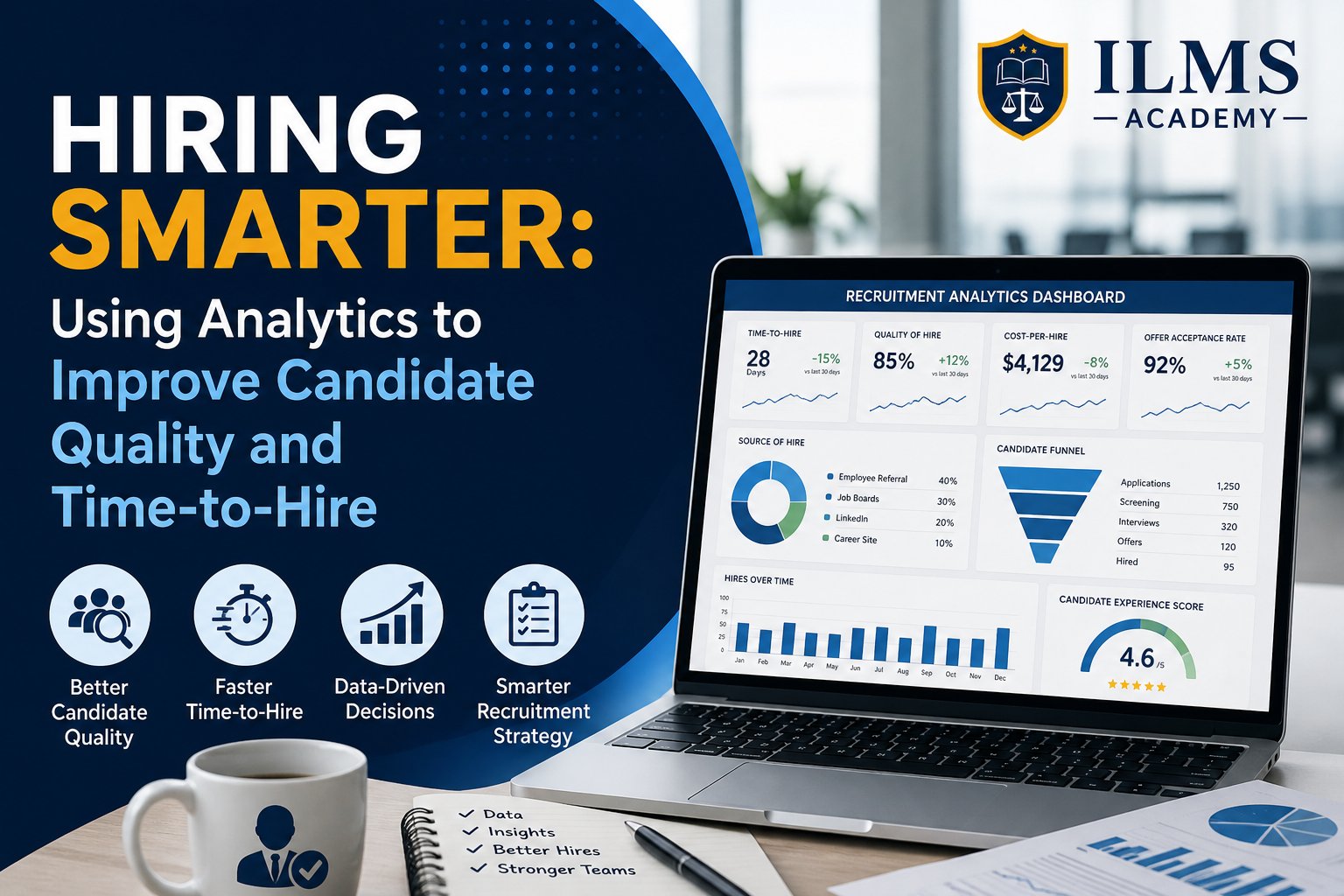
- Quality of Hire: Measures the value new hires bring to the organization, often assessed through performance ratings, productivity, and retention.
- Time-to-Hire: The duration between the job requisition and the candidate’s acceptance of the offer; shorter times indicate more efficient hiring.
- Cost-per-Hire: Total recruitment expenses divided by the number of hires; helps evaluate cost efficiency.
- Source of Hire: Tracks which recruitment channels yield the best candidates, guiding sourcing strategies.
- Offer Acceptance Rate: Percentage of job offers accepted by candidates; low rates may indicate issues with compensation or candidate experience.
- Candidate Experience Score: Feedback from candidates about their recruitment journey; positive experiences can enhance employer branding.
- Interview-to-Offer Ratio: Number of interviews conducted before an offer is made; helps identify process bottlenecks or screening inefficiencies.
Tracking and analsying these metrics enables organizations to pinpoint strengths and weaknesses within their recruitment processes, ultimately fostering continuous improvement.
The Business Case for Using Analytics in Hiring
Benefits of Analytics-Driven Recruitment
Incorporating analytics into the hiring process offers organizations significant benefits that go far beyond traditional recruitment methods. Analytics-driven recruitment allows companies to make data-backed decisions rather than relying solely on intuition or subjective judgment. This approach enhances the accuracy and efficiency of hiring by identifying patterns and insights that human recruiters might overlook.
One major benefit is improved candidate quality. Analytics helps identify traits and qualifications that correlate with successful performance in specific roles, enabling recruiters to focus on candidates who are the best fit. Additionally, analytics facilitates a faster hiring process by pinpointing bottlenecks and streamlining workflows, ultimately reducing time-to-hire.
Another advantage is reducing bias. Data-driven processes can minimize unconscious bias by relying on objective criteria rather than subjective impressions. This contributes to fairer hiring practices and promotes diversity and inclusion.
Furthermore, recruitment analytics improves cost management. By understanding which sourcing channels and hiring practices yield the best results, organizations can allocate resources more effectively, decreasing recruitment costs while increasing hiring success.
Overall, analytics-driven recruitment supports more strategic talent acquisition, enhancing organizational performance and competitiveness.
Impact on Candidate Quality and Hiring Speed
Analytics has a profound impact on both the quality of candidates hired and the speed of the hiring process. By analyzing historical data, organizations can develop predictive models that assess which candidates are likely to succeed based on key performance indicators such as skills, experience, and cultural fit. This enables recruiters to prioritize high-potential candidates, improving the overall caliber of new hires.
At the same time, analytics streamlines hiring workflows by identifying inefficiencies and delays. For example, by tracking the average time candidates spend at each recruitment stage, recruiters can quickly address bottlenecks such as slow interview scheduling or delayed feedback. Automation tools powered by analytics can further accelerate routine tasks like resume screening and candidate communication, contributing to shorter time-to-hire.
This combination of improved candidate quality and accelerated hiring not only meets urgent talent needs but also strengthens long-term workforce capabilities.
- Certificate Course in Labour Laws
- Certificate Course in Drafting of Pleadings
- Certificate Programme in Train The Trainer (TTT) PoSH
- Certificate course in Contract Drafting
- Certificate Course in HRM (Human Resource Management)
- Online Certificate course on RTI (English/हिंदी)
- Guide to setup Startup in India
- HR Analytics Certification Course
Cost Efficiency and ROI of Hiring Analytics
Investing in hiring analytics can deliver substantial return on investment (ROI) by optimizing recruitment spending and improving hiring outcomes. Analytics enables companies to focus their budget on the most effective sourcing channels, reducing unnecessary advertising costs on low-performing platforms. By decreasing time-to-hire, organizations save on productivity losses associated with vacant roles.
Moreover, better quality hires reduce turnover, which is costly due to recruitment, training, and lost productivity. Studies show that organizations using analytics in hiring often experience higher retention rates, which translates to long-term cost savings.
Although implementing analytics tools involves upfront investment, the efficiency gains and improved hiring results provide measurable financial benefits, making analytics a smart investment for talent acquisition.
Key Components of Analytics-Driven Hiring
Candidate Sourcing Analytics
Candidate sourcing analytics involves analyzing data to identify which recruitment channels and strategies attract the best candidates. By tracking metrics such as application rates, quality of applicants, and conversion rates from different sources (job boards, referrals, social media, recruitment agencies), organizations can focus their efforts and budgets on the most productive channels. This targeted approach ensures higher-quality candidate pools and reduces wasted spending.
Additionally, sourcing analytics can reveal demographic and geographic trends, helping recruiters tailor outreach strategies for diverse and qualified talent segments.
Resume Screening and Candidate Matching Algorithms
Resume screening is often a time-consuming task, and manual screening can lead to inconsistent evaluations and missed talent. Analytics-driven resume screening uses algorithms to automatically parse resumes, extract relevant skills and experiences, and rank candidates based on job fit.
Candidate matching algorithms compare candidate profiles against job requirements and organizational culture to shortlist those with the highest potential. These technologies leverage natural language processing (NLP) and machine learning to improve accuracy over time, reducing recruiter workload and improving candidate quality.
Predictive Analytics for Candidate Success
Predictive analytics applies historical data and statistical models to forecast the likelihood of candidate success. By analyzing factors such as previous job performance, assessment scores, and behavioral traits, predictive models estimate how well a candidate will perform and their potential tenure.
This approach enables recruiters to make proactive, informed decisions, reducing bad hires and increasing retention. Predictive analytics also supports succession planning by identifying candidates with high growth potential.
Time-to-Hire and Process Efficiency Analytics
Analytics tools track recruitment timelines and identify bottlenecks in the hiring process. By monitoring metrics like average time per recruitment stage, recruiter response time, and candidate drop-off rates, organizations can pinpoint inefficiencies.
Data-driven insights allow HR teams to streamline workflows, automate repetitive tasks, and improve collaboration between recruiters and hiring managers. Enhanced process efficiency accelerates time-to-hire, ensuring critical roles are filled promptly to maintain business continuity.
Candidate Experience Analytics
Candidate experience significantly influences employer brand and talent attraction. Analytics can assess candidate feedback and engagement data to identify pain points in the recruitment journey.
By measuring response times, communication effectiveness, and overall candidate satisfaction, organizations can implement improvements to create a more positive and transparent hiring experience. Enhanced candidate experience increases offer acceptance rates and strengthens long-term relationships with prospective talent.
How Analytics Improves Candidate Quality
Identifying High-Potential Candidates
One of the most valuable benefits of hiring analytics is its ability to identify high-potential candidates more accurately. By leveraging data from past hiring successes and employee performance, organizations can create detailed candidate profiles that highlight traits, skills, and experiences most predictive of success in specific roles. Analytics models analyze resumes, assessments, and interview data to score and rank candidates based on their alignment with these profiles. This targeted approach helps recruiters prioritize candidates who are most likely to excel, rather than relying solely on traditional screening methods that might overlook hidden talent or focus on surface-level qualifications.
Reducing Bias through Data-Driven Decisions
Unconscious bias is a significant challenge in recruitment, often leading to unfair hiring decisions and missed opportunities for diverse talent. Hiring analytics reduces bias by standardizing the evaluation process through objective, data-driven criteria. Algorithms can evaluate candidates solely on their skills, experience, and potential, minimizing the influence of subjective factors such as gender, ethnicity, or age. While algorithms themselves need careful design to avoid perpetuating existing biases, when implemented correctly, analytics helps create a fairer and more inclusive hiring process that focuses on merit and fit.
- Certificate Course in Labour Laws
- Certificate Course in Drafting of Pleadings
- Certificate Programme in Train The Trainer (TTT) PoSH
- Certificate course in Contract Drafting
- Certificate Course in HRM (Human Resource Management)
- Online Certificate course on RTI (English/हिंदी)
- Guide to setup Startup in India
- HR Analytics Certification Course
Using Historical Data to Predict Candidate Success
Historical hiring and performance data form the foundation for predictive analytics in recruitment. By analyzing the attributes and career trajectories of successful employees, organizations can identify patterns that forecast future success. For example, analytics might reveal that candidates with certain certifications, work experiences, or assessment scores consistently outperform others in similar roles. Using these insights, recruiters can develop predictive models to evaluate incoming candidates’ likelihood of long-term success and cultural fit. This reduces costly bad hires and improves workforce stability.
Case Studies: Organizations Improving Quality of Hire via Analytics
Several organizations have leveraged analytics to enhance candidate quality successfully. For instance, a global technology firm used predictive analytics to refine its campus recruitment strategy, resulting in a 20% increase in the retention rate of new hires. Another multinational company applied data-driven screening tools to reduce bias and improve diversity without compromising on candidate performance, achieving a measurable uplift in employee engagement scores. These cases demonstrate how integrating analytics can transform hiring quality by aligning talent acquisition with organizational goals.
How Analytics Reduces Time-to-Hire
Identifying Bottlenecks in Recruitment Workflow
A critical factor in improving hiring speed is recognizing where delays occur within the recruitment process. Analytics tools track candidate progress through various stages—from application to offer acceptance—highlighting bottlenecks such as slow resume screening, prolonged interview scheduling, or delayed feedback from hiring managers. By pinpointing these pain points, organizations can implement targeted interventions to streamline workflows, eliminate redundancies, and reduce waiting times, ultimately accelerating the entire hiring cycle.
Automating Routine Recruitment Tasks
Many recruitment activities are repetitive and time-consuming, such as resume screening, interview scheduling, and candidate communication. Analytics-powered automation tools can take over these routine tasks, freeing recruiters to focus on higher-value activities like relationship-building and candidate evaluation. For example, AI-driven chatbots can answer candidate queries instantly, and automated scheduling systems can coordinate interviews efficiently across multiple stakeholders. This automation not only speeds up the process but also improves consistency and reduces human error.
Optimizing Interview Scheduling and Coordination
Interview scheduling often causes significant delays due to conflicting calendars and manual coordination efforts. Analytics can optimize this process by analyzing interviewer availability, candidate preferences, and historical scheduling patterns to propose optimal time slots quickly. Some systems also integrate reminders and automated follow-ups to reduce no-shows and cancellations. Improved scheduling efficiency shortens the time candidates spend waiting between interview rounds, maintaining engagement and momentum.
Real-Time Analytics for Faster Decision-Making
Real-time analytics dashboards provide recruitment teams with up-to-date insights into candidate pipelines, process metrics, and hiring progress. These live data feeds enable faster, more informed decision-making by highlighting candidates who are ready to move forward and alerting teams to stalled requisitions. Immediate visibility into recruitment status supports agile adjustments, ensuring timely interventions that keep the hiring process moving swiftly and smoothly.
Case Studies: Companies Cutting Time-to-Hire Using Analytics
Leading companies have showcased the impact of analytics on reducing time-to-hire. For example, a retail giant implemented workflow analytics and automation to cut their average time-to-hire by 30%, resulting in faster onboarding for critical seasonal roles. Another enterprise software firm utilized real-time dashboards and predictive scheduling to reduce recruitment cycle times by 25%, improving both candidate experience and business responsiveness. These examples illustrate how data-driven insights and technology integration can drastically enhance hiring speed without sacrificing quality.
Tools and Technologies Enabling Hiring Analytics
Applicant Tracking Systems (ATS) with Analytics
Modern Applicant Tracking Systems (ATS) have evolved far beyond basic resume storage and tracking. Today’s ATS platforms come equipped with built-in analytics dashboards that provide recruiters with real-time insights into the recruitment funnel. These analytics help HR professionals monitor metrics such as time-to-hire, source of hire, candidate drop-off rates, and recruiter efficiency. Advanced ATS platforms also support customizable reporting, enabling organizations to analyze specific performance indicators aligned with their strategic hiring goals. By centralizing candidate data, ATS tools make it easier to perform in-depth analysis and continuously optimize recruitment practices.
AI and Machine Learning in Recruitment Analytics
Artificial Intelligence (AI) and Machine Learning (ML) are at the heart of the most sophisticated recruitment analytics tools. These technologies analyze vast amounts of data to recognize patterns and predict future outcomes. For instance, AI can evaluate candidate profiles and predict their job fit and success probability by learning from past hiring data. Machine learning models improve over time as they are exposed to more data, allowing the system to adapt to changing job requirements and organizational needs. AI also powers automated resume screening, chatbots for candidate engagement, and intelligent ranking systems that prioritize top talent, enhancing both speed and quality in hiring.
Data Visualization and Dashboard Tools
Data visualization tools like Tableau, Power BI, and Google Data Studio play a crucial role in making hiring analytics actionable. These platforms transform complex recruitment data into intuitive charts, graphs, and dashboards that help stakeholders understand trends, spot anomalies, and make informed decisions quickly. By presenting metrics visually, these tools improve communication across teams and ensure that insights are accessible not just to data experts, but also to HR leaders, hiring managers, and executives. Effective visualization helps monitor performance indicators like diversity metrics, cost per hire, and pipeline health at a glance.
Integration with HRIS and Workforce Analytics Platforms
For analytics to deliver comprehensive insights, hiring data must be integrated with broader HR systems such as Human Resource Information Systems (HRIS) and workforce analytics platforms. This integration allows organizations to track the full employee lifecycle—from recruitment to performance management, promotions, and attrition—enabling deeper analysis of hiring effectiveness. By linking hiring data with employee outcomes, organizations can refine their recruitment strategies to focus on candidates who are likely to thrive in the long term. Integration also ensures consistency and accuracy in data reporting across the HR ecosystem.
Implementing Analytics in Recruitment: Best Practices
Setting Clear Objectives and KPIs
Before implementing analytics, organizations must establish clear recruitment objectives and define the key performance indicators (KPIs) that will measure success. Objectives could include reducing time-to-hire, improving candidate quality, increasing diversity, or lowering cost-per-hire. Clear KPIs ensure that analytics initiatives remain focused and measurable. Common recruitment KPIs include application-to-interview ratios, offer acceptance rates, candidate satisfaction scores, and retention rates of new hires. Aligning analytics efforts with business goals ensures they drive meaningful impact and inform strategic decision-making.
Data Collection and Data Quality Management
Accurate and complete data is the foundation of effective hiring analytics. Organizations must ensure that data is collected consistently across all recruitment touchpoints—applications, interviews, assessments, and onboarding. Inconsistent or missing data can lead to misleading insights and poor decisions. Establishing data governance practices is essential to maintain high data quality. This includes setting data entry standards, cleaning outdated or duplicate records, and regularly auditing data sources. Investing in data infrastructure and tools that support automated data validation can further enhance reliability and usability.
Collaboration Between HR, IT, and Data Teams
Implementing hiring analytics is not just an HR initiative; it requires collaboration across departments. HR teams need support from IT for system integration and infrastructure, and from data analysts or scientists for building models and interpreting results. A cross-functional approach ensures that the right technology is in place, that data is being used effectively, and that analytics insights are translated into practical recruitment strategies. Regular communication among these teams fosters innovation, accelerates problem-solving, and helps ensure the long-term success of analytics initiatives.
- Certificate Course in Labour Laws
- Certificate Course in Drafting of Pleadings
- Certificate Programme in Train The Trainer (TTT) PoSH
- Certificate course in Contract Drafting
- Certificate Course in HRM (Human Resource Management)
- Online Certificate course on RTI (English/हिंदी)
- Guide to setup Startup in India
- HR Analytics Certification Course
Training Recruiters and Hiring Managers on Analytics Use
Even the most advanced analytics tools are ineffective if users don’t know how to leverage them. Recruiters and hiring managers must be trained to interpret data, use dashboards, and apply insights to make better decisions. Training should cover both technical aspects—such as using an ATS or reading visual dashboards—and strategic thinking, such as evaluating candidate scores or identifying trends in talent pipelines. Building data literacy across the recruitment team empowers HR professionals to act confidently on analytics insights, improving both hiring outcomes and business alignment.
Addressing Privacy, Ethics, and Compliance Concerns
With increased use of data comes increased responsibility. Organizations must ensure that their use of hiring analytics complies with data protection laws such as the GDPR (General Data Protection Regulation) and other local regulations. This includes obtaining candidate consent for data usage, ensuring secure storage, and limiting access to sensitive information. Ethical considerations are equally important. Analytics tools should be designed and monitored to avoid discrimination or bias. Transparency with candidates about how their data is used builds trust and supports a responsible, fair recruitment process. Regular audits and ethical reviews help maintain compliance and uphold company values.
Challenges and Limitations of Hiring Analytics
Data Privacy and Ethical Considerations
One of the foremost challenges in implementing hiring analytics is navigating the complexities of data privacy and ethics. As organizations collect and process sensitive candidate data—ranging from resumes and assessments to behavioral insights—they must ensure full compliance with global data protection regulations like the GDPR, CCPA, and others. Beyond legal requirements, there is also the ethical responsibility to use data transparently and fairly. Candidates should be informed about how their data will be used, stored, and protected. Failure to address these concerns can lead to reputational damage, legal penalties, and loss of candidate trust. Ethical hiring analytics must prioritize informed consent, anonymization where necessary, and rigorous data governance policies.
Avoiding Overreliance on Algorithms
While algorithms can significantly improve efficiency and decision-making, overreliance on them poses a serious risk. Algorithms are not infallible—they are trained on historical data that may contain hidden biases or unbalanced outcomes. If unchecked, they can perpetuate or even amplify discrimination, especially in critical decisions such as shortlisting or ranking candidates. Moreover, algorithms cannot fully replace human judgment, particularly in areas requiring emotional intelligence, cultural fit assessments, or nuanced decision-making. Therefore, analytics should complement, not replace, human insight. A balanced approach involves human oversight at every stage, ensuring fairness, relevance, and adaptability in hiring processes.
Managing Change Resistance in HR Teams
Adopting a data-driven recruitment strategy often requires a cultural shift within HR teams. Many recruiters and hiring managers may be accustomed to traditional methods and can resist the perceived complexity or depersonalization of analytics. Overcoming this resistance demands strong change management practices, including clear communication of benefits, involving stakeholders early in tool selection, and offering comprehensive training. Leadership must advocate for the value of analytics, emphasizing how it enhances rather than undermines recruiter expertise. Success stories and pilot program results can help demonstrate value and build internal confidence.
Ensuring Data Accuracy and Avoiding Bias in Models
The accuracy of analytics insights is only as strong as the data supporting them. Incomplete, outdated, or inconsistent data can lead to flawed models and poor hiring decisions. For example, a candidate scoring system based on biased or irrelevant data could lead to misranking or overlooking strong applicants. Organizations must invest in ongoing data cleaning, validation, and standardization efforts. Additionally, bias audits are crucial for ensuring fairness in algorithmic models. These audits assess whether certain demographics are being unfairly favored or disadvantaged and help correct disparities through recalibration, alternative training data, or manual review integration.
The Future of Hiring Analytics
Emerging Trends: Predictive and Prescriptive Analytics
While many organizations currently use descriptive analytics to understand what happened in the hiring process, the future lies in predictive and prescriptive analytics. Predictive analytics goes further by forecasting outcomes such as a candidate’s likelihood of success, retention potential, or future performance. Prescriptive analytics takes it a step ahead by recommending specific actions—such as which sourcing channels to invest in or which interview strategies to adopt—based on those predictions. These advanced approaches will allow organizations to shift from reactive to proactive talent acquisition, anticipating needs and making smarter, evidence-based decisions.
Role of Natural Language Processing and Sentiment Analysis
Natural Language Processing (NLP) is transforming how recruiters interact with unstructured data such as resumes, cover letters, and interview transcripts. NLP algorithms can analyze language patterns to detect soft skills, sentiment, communication style, and cultural fit. Sentiment analysis, in particular, is being used to evaluate candidate engagement and intent, helping recruiters assess whether a candidate is likely to accept an offer or drop out of the process. These technologies enable a deeper understanding of candidates beyond hard qualifications, supporting more holistic and human-centered hiring.
Enhanced Candidate Experience through Analytics
Hiring analytics is also enhancing candidate experience—a critical differentiator in competitive job markets. Analytics tools monitor engagement metrics such as application completion rates, time spent on career pages, or feedback scores from interviews. This data provides actionable insights for improving communication touchpoints, minimizing delays, and personalizing interactions. For example, if data shows that candidates abandon applications at a particular step, recruiters can streamline that stage. Additionally, predictive tools can anticipate candidate needs and deliver tailored messaging, creating a more responsive and satisfying recruitment journey.
Impact of Analytics on Workforce Planning and Talent Management
The influence of hiring analytics extends beyond immediate recruitment to broader workforce planning and talent management. By integrating hiring data with performance and retention metrics, organizations gain a long-term view of talent effectiveness. This informs decisions about internal mobility, leadership development, and succession planning. Predictive models can forecast future skills gaps or hiring needs based on business trends, allowing HR leaders to build proactive talent pipelines. As hiring analytics evolves, it will become a core driver of strategic workforce alignment and organizational agility.
Conclusion
Summary of Key Points
Hiring analytics has emerged as a transformative force in modern talent acquisition, offering organizations the ability to make faster, smarter, and more equitable hiring decisions. From identifying high-potential candidates to streamlining recruitment workflows, analytics plays a central role in improving both candidate quality and time-to-hire. This article explored the foundational business case for adopting analytics in recruitment, the benefits and challenges associated with its use, and the key technologies that enable its implementation. We examined how organizations are using data-driven strategies to reduce bias, predict candidate success, and enhance overall efficiency. Furthermore, we looked at real-world examples, emerging trends like predictive and prescriptive analytics, and the critical importance of collaboration, data quality, and ethical standards in shaping effective analytics practices.
The Strategic Advantage of Analytics-Driven Hiring
Organizations that integrate analytics into their hiring processes gain a significant competitive edge. Not only can they identify and secure top talent faster, but they also foster more consistent and data-informed decisions that align with long-term business goals. By leveraging technologies such as AI, NLP, and data visualization tools, companies can transform recruitment into a strategic function that supports workforce planning and talent development. In a rapidly evolving job market, where agility and accuracy are paramount, analytics-driven hiring is no longer optional—it’s essential.
Call to Action for Organizations to Embrace Hiring Analytics
As the future of work continues to be shaped by digital transformation and data-centric practices, now is the time for organizations to fully embrace hiring analytics. This means investing in the right tools and technologies, fostering a culture of data literacy among HR professionals, and ensuring responsible use of candidate information. Organizations that take a proactive approach to integrating analytics into their hiring strategy will not only improve recruitment outcomes but also position themselves as forward-thinking, inclusive, and agile employers in the eyes of both candidates and the broader market.
- Certificate Course in Labour Laws
- Certificate Course in Drafting of Pleadings
- Certificate Programme in Train The Trainer (TTT) PoSH
- Certificate course in Contract Drafting
- Certificate Course in HRM (Human Resource Management)
- Online Certificate course on RTI (English/हिंदी)
- Guide to setup Startup in India
- HR Analytics Certification Course