
1. Introduction
Defining Performance Data
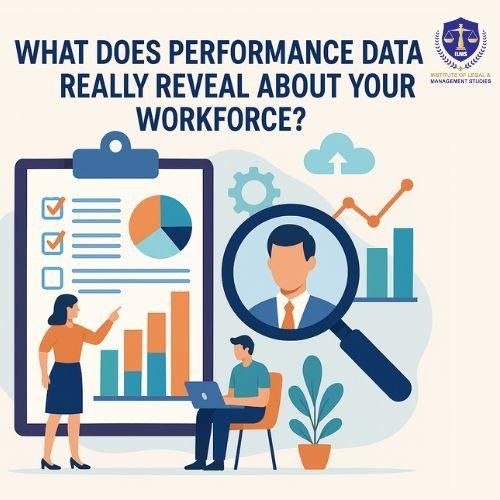
In the modern workplace, data has become the cornerstone of decision-making across all business functions, including human resources. Among the most critical forms of organizational data is performance data, which refers to the structured and unstructured information collected about employee activities, achievements, capabilities, and outcomes. This data goes beyond mere statistics; it encapsulates how effectively individuals and teams contribute to company goals. Performance data includes key performance indicators (KPIs), employee appraisals, productivity levels, and feedback from peers and managers. Whether gathered formally through performance reviews or informally through daily work habits and project outcomes, performance data offers a comprehensive lens into the operational engine of an organization—its workforce.
The Importance of Workforce Analytics
Workforce analytics, a growing field within human resource management, harnesses performance data to uncover actionable insights about an organization’s human capital. It transforms raw metrics into meaningful trends and patterns that can drive strategic decisions. In an era where talent is a company’s most valuable asset, understanding how individuals perform is essential not just for assessing past results but also for predicting future success. Workforce analytics enables leaders to evaluate employee strengths and weaknesses, identify gaps in skills or engagement, and implement targeted interventions. Furthermore, it plays a pivotal role in enhancing employee experience, increasing retention, and ensuring a strong alignment between individual output and broader business objectives.
Objectives of the Article
This article aims to explore what performance data truly reveals about a workforce, going beyond superficial analysis to uncover deep organizational truths. The goal is to demystify the concept of performance data and provide HR professionals, business leaders, and managers with a clear understanding of its scope, implications, and strategic value. By the end of this article, readers will gain insights into the types of performance data available, how it can be effectively gathered and interpreted, and the ways in which it can transform workforce management. The article will also highlight the potential pitfalls of misusing or misinterpreting performance data and provide real-world case studies and best practices. Ultimately, the purpose is to equip organizations with the knowledge to leverage performance data as a powerful tool for workforce development and business success.
2. Understanding Performance Data
Types of Performance Data
Performance data encompasses a wide spectrum of indicators that collectively reflect employee productivity, efficiency, and behavior in the workplace. It can be broadly categorized into several types. First is objective data, which includes quantifiable measures such as sales numbers, project completion rates, customer service ratings, and attendance records. These metrics are straightforward and easy to compare across time periods or among employees. Second is subjective data, often gathered through qualitative assessments like manager evaluations, peer reviews, and self-assessments. While harder to standardize, subjective data adds essential context to performance by capturing interpersonal dynamics, creativity, adaptability, and other soft skills that numbers alone cannot convey. Lastly, behavioral data—such as time spent on tasks, communication patterns, and engagement levels measured through software tools—offers granular insights into how work is approached and executed on a daily basis. The combination of these types creates a more holistic view of an employee’s contribution and potential.
Sources of Performance Metrics
Performance metrics are derived from multiple sources within an organization, each contributing unique insights. The most traditional source is the annual performance review, where managers assess employee outcomes over a fixed period. However, this method has increasingly been supplemented—or even replaced—by real-time performance tracking systems that provide continuous feedback. HR systems and enterprise resource planning (ERP) platforms collect data on attendance, task completion, and payroll-linked outputs. Project management tools like Asana, Jira, or Trello generate performance insights by tracking deadlines, task ownership, and collaboration. Additionally, customer feedback systems and client satisfaction surveys serve as external sources that reflect how well employees are performing from the stakeholder's perspective. Finally, learning management systems (LMS) can track skill development and training progress, offering insights into growth potential and learning agility.
Quantitative vs Qualitative Data
Understanding the balance between quantitative and qualitative data is critical in performance analysis. Quantitative data refers to measurable figures—such as number of units produced, sales closed, or support tickets resolved—and offers the advantage of objectivity and easy comparison. It allows for benchmarking and setting measurable goals but can miss nuanced aspects of performance. On the other hand, qualitative data captures personal experiences, behaviors, attitudes, and narratives that numbers cannot express. It is usually obtained through interviews, written feedback, or performance discussions and helps to explain the 'why' behind the numbers. While quantitative data might show a dip in productivity, qualitative insights could reveal root causes like burnout, team conflict, or lack of motivation. The most effective performance management strategies integrate both types of data, using hard metrics to gauge outcomes and soft data to interpret behavior and mindset. Together, they paint a fuller picture of employee performance and enable more informed and empathetic management decisions.
3. Key Workforce Insights Derived from Performance Data
Identifying Top Performers
One of the most immediate benefits of analyzing performance data is the ability to identify top performers within an organization. These individuals consistently exceed expectations, drive business outcomes, and often act as catalysts for team success. Through a careful examination of metrics such as output quality, project completion rates, leadership feedback, peer reviews, and even customer satisfaction scores, organizations can distinguish high-performing employees from the rest. Recognizing top performers not only aids in rewarding and retaining them but also provides a template for success that can be replicated across teams. For instance, if data reveals that high performers consistently complete tasks ahead of deadlines and actively engage in collaborative tools, managers can establish these behaviors as performance benchmarks. Moreover, highlighting top talent allows companies to place these individuals in critical roles, mentorship programs, or leadership development pipelines, thereby maximizing their potential impact.
Spotting Underperformance Patterns
Just as performance data can shine a light on excellence, it can also reveal areas where individuals or teams are falling short. Patterns of underperformance might emerge through missed deadlines, declining productivity, poor customer feedback, or repeated errors in task execution. However, identifying these trends is only the first step. Performance data allows organizations to go further by understanding the root causes of underperformance. Are employees lacking motivation, facing external stressors, or struggling due to a mismatch between their skills and responsibilities? Perhaps there’s inadequate training or poor managerial support. When underperformance is viewed as a data-driven insight rather than a disciplinary issue, it creates opportunities for intervention, support, and improvement. Data can also help in discerning whether underperformance is isolated or systemic, enabling managers to respond appropriately with tailored performance improvement plans or broader structural changes.
Detecting Skill Gaps
In a rapidly evolving business environment, organizations must continually assess whether their workforce has the right skills to meet current and future demands. Performance data plays a crucial role in detecting skill gaps by analyzing discrepancies between expected and actual outcomes. For instance, if a team consistently struggles to meet targets related to digital transformation initiatives, it may indicate a need for upskilling in technology adoption. Similarly, qualitative feedback from managers might reveal a lack of leadership or communication abilities in potential successors. Data from learning management systems can also pinpoint who is engaging with training opportunities and who isn’t, helping to map skill development across the organization. Once identified, these gaps can be addressed through targeted learning and development (L&D) initiatives, thereby strengthening the organization’s human capital and ensuring alignment with strategic objectives.
Predicting Employee Turnover
Employee turnover can be both costly and disruptive, especially when high performers leave unexpectedly. Predictive analytics based on performance data can help mitigate this risk by identifying warning signs of disengagement or dissatisfaction. Indicators such as a sudden drop in productivity, decreased participation in meetings, fewer contributions to collaborative tools, or even changes in tone in written communication can signal potential turnover risk. Coupled with sentiment analysis and historical data on past exits, these signs can be analyzed to create predictive models that alert HR teams to intervene proactively. For example, if an employee who was once highly engaged begins missing deadlines and avoids cross-team interactions, the data may suggest that they are at risk of leaving. Armed with this knowledge, managers can initiate timely conversations, offer support, or explore opportunities for role adjustments, thereby potentially preventing attrition and retaining valuable talent.
4. Linking Performance Data to Business Goals
Aligning Individual Contributions with Organizational Objectives
For organizations to succeed, it is essential that every employee’s efforts align with the company’s overarching mission and objectives. Performance data serves as the bridge between individual tasks and strategic goals. By mapping employee KPIs to organizational targets, leaders can ensure that daily activities contribute meaningfully to broader initiatives such as revenue growth, market expansion, innovation, or customer satisfaction. For example, a company aiming to improve customer service can use performance metrics to monitor how well individual support agents meet resolution time and satisfaction benchmarks. This alignment not only enhances clarity and accountability but also boosts motivation, as employees see a direct connection between their work and company success. Moreover, performance data can be used during goal-setting sessions to create SMART (Specific, Measurable, Achievable, Relevant, Time-bound) objectives that are both individual-specific and goal-consistent.
Measuring Productivity and Efficiency
- Certificate Course in Labour Laws
- Certificate Course in Drafting of Pleadings
- Certificate Programme in Train The Trainer (TTT) PoSH
- Certificate course in Contract Drafting
- Certificate Course in HRM (Human Resource Management)
- Online Certificate course on RTI (English/हिंदी)
- Guide to setup Startup in India
- HR Analytics Certification Course
Performance data provides a granular understanding of how effectively resources—especially human resources—are being utilized. By examining metrics such as output per hour, task completion rates, and time-to-resolution, businesses can assess productivity at both individual and team levels. Efficiency, on the other hand, involves analyzing how well inputs are being converted into desired outcomes. This includes evaluating whether processes are optimized and whether employees are using their time and tools effectively. For instance, if data reveals that a high volume of time is spent on repetitive tasks, this might prompt automation or workflow redesign. Conversely, high-output teams might serve as models for others, with their strategies being adapted across the organization. Performance data, when analyzed correctly, helps leaders not only measure productivity but also identify inefficiencies and remove obstacles to better performance.
Supporting Strategic Workforce Planning
Strategic workforce planning involves forecasting future talent needs and preparing the organization to meet those needs. Performance data plays a vital role in this process by revealing who is ready to take on more responsibility, who may need development, and where there are vulnerabilities in talent pipelines. By analyzing data trends over time—such as consistent overperformance, rapid skill acquisition, or strong leadership feedback—organizations can identify high-potential employees suited for succession planning. Similarly, data on retirements, turnover trends, and evolving business needs can highlight future talent gaps. Performance insights also inform hiring strategies, helping companies decide whether to recruit externally or promote internally. In this way, workforce planning becomes less of a reactive process and more of a data-informed, strategic endeavor that ensures the right people are in the right roles at the right time.
5. The Role of Technology in Performance Data Analysis
Performance Management Software Tools
Technology has revolutionized the way organizations collect, analyze, and act upon performance data. Performance management software tools have become indispensable in modern HR operations. These platforms provide centralized dashboards where managers and employees can track goals, give and receive feedback, and monitor progress in real-time. Tools like Workday, BambooHR, SAP SuccessFactors, and 15Five enable the automation of performance review cycles, reducing administrative burden and increasing transparency. They often include features such as continuous feedback, goal setting, competency assessments, and development planning. By digitizing performance data, these tools facilitate a more objective and timely evaluation process, allowing organizations to respond quickly to emerging trends and needs. Furthermore, integration capabilities enable these tools to pull data from various business systems, creating a comprehensive performance profile for each employee.
AI and Predictive Analytics
Artificial intelligence (AI) and predictive analytics are transforming performance data analysis from descriptive to prescriptive insights. AI algorithms can sift through vast amounts of data to identify patterns that humans might miss, such as subtle declines in engagement or early signs of burnout. Predictive models use historical data to forecast future outcomes, like the likelihood of an employee leaving, promotion readiness, or training effectiveness. For example, machine learning models can analyze variables such as task completion rates, peer feedback, and work hours to predict which employees may require additional support or are poised for leadership roles. AI-powered chatbots and virtual assistants are also being integrated into performance management systems to facilitate continuous communication and coaching. By leveraging these advanced technologies, organizations can move beyond reactive management to proactive talent strategies, ensuring workforce stability and growth.
Integrating Data from Multiple Platforms
Today’s workforce operates across multiple systems, including project management tools, communication platforms, learning management systems, and customer relationship management software. Integrating performance data from these diverse sources is crucial to obtaining a holistic view of employee performance. Consolidation eliminates data silos and enables more accurate, comprehensive analyses. For instance, linking project completion data from Jira with customer feedback from Zendesk and training records from an LMS offers deeper insight into how skills development correlates with real-world outcomes. Integration platforms and APIs facilitate this seamless data flow, enabling HR and management teams to generate unified reports and dashboards. This holistic approach empowers decision-makers to understand performance in context, drive targeted interventions, and foster a data-driven culture across the organization.
6. Behavioural and Cultural Insights from Performance Data
Engagement and Motivation Indicators
Performance data does more than measure output; it also reveals employee engagement and motivation levels. High engagement typically correlates with increased productivity, creativity, and retention, while disengagement can manifest as absenteeism, reduced effort, or higher turnover risk. Metrics such as participation in voluntary projects, frequency of feedback given and received, and involvement in learning opportunities can serve as proxies for motivation. Digital tools that track communication patterns, time spent on tasks, and collaboration frequency provide additional behavioral data points. When analyzed collectively, these indicators help managers understand which employees are thriving and which might be struggling. Recognizing early signs of disengagement allows organizations to implement targeted initiatives like recognition programs, flexible work options, or coaching, ultimately improving workplace morale and output.
Collaboration and Team Dynamics
The ability to work effectively within teams is a critical component of workforce performance. Performance data sheds light on collaboration patterns by analyzing communication flows, shared task completion, and peer feedback. For example, tools like Slack, Microsoft Teams, or project management software capture interactions that reveal how well team members coordinate and support each other. Data may show whether certain individuals serve as connectors or bottlenecks, how workload is distributed, and whether there is equitable participation in team efforts. These insights can help identify teams that function harmoniously and those experiencing friction or imbalance. By addressing collaboration issues informed by data, managers can enhance productivity, foster innovation, and strengthen organizational culture.
Employee Sentiment Analysis
Sentiment analysis uses natural language processing (NLP) techniques to evaluate the emotions and attitudes expressed by employees in textual data such as surveys, emails, chat messages, and performance feedback. This approach provides a deeper understanding of workforce morale, culture, and potential areas of concern that might not be evident through quantitative metrics alone. For example, sentiment trends can reveal if employees feel valued, stressed, or disconnected. When combined with performance data, sentiment analysis offers a nuanced picture that links emotional states with productivity and engagement outcomes. Organizations can use these insights to design interventions that improve mental well-being, enhance communication, and build a positive workplace environment, ultimately boosting overall performance.
7. Challenges in Interpreting Performance Data
Data Privacy and Ethical Considerations
With the increasing use of performance data, organizations face critical challenges related to data privacy and ethics. Collecting and analyzing employee information involves handling sensitive data that, if misused, can violate privacy rights and damage trust. Employees may feel surveilled or unfairly judged if data collection lacks transparency or consent. Ethical considerations include ensuring that data is gathered only for legitimate purposes, securely stored, and accessed strictly on a need-to-know basis. Companies must comply with data protection regulations like GDPR, CCPA, or other regional laws, which mandate clear policies on data collection, usage, and employee rights. Additionally, organizations should foster an ethical culture where employees understand how their data is used and feel assured that performance insights will not be exploited to discriminate or punish unfairly. Balancing transparency, security, and fairness is essential for maintaining employee confidence and enabling effective performance management.
Avoiding Misinterpretation and Bias
Performance data is powerful, but it is not infallible. One of the biggest challenges lies in avoiding misinterpretation and bias during analysis. Data without context can lead to inaccurate conclusions. For instance, a dip in productivity might be mistakenly attributed to lack of effort when external factors like resource shortages or personal issues may be responsible. Bias can enter through flawed data collection methods, selective reporting, or subjective assessments clouded by stereotypes or favoritism. Confirmation bias may cause managers to see only what they expect to see, ignoring contradictory evidence. To mitigate these risks, it is important to triangulate data from multiple sources, combine quantitative and qualitative insights, and involve diverse perspectives in the interpretation process. Providing training for managers and analysts on data literacy and unconscious bias awareness can further improve the quality and fairness of conclusions drawn from performance data.
Overreliance on Quantitative Metrics
While quantitative metrics are valuable for measuring performance, overreliance on numbers alone can obscure important qualitative factors. Excessive focus on targets such as sales figures or call times may encourage employees to prioritize quantity over quality, leading to burnout or unethical behavior. It may also overlook crucial aspects such as creativity, collaboration, or customer relationships that are harder to quantify but vital to long-term success. Moreover, rigid adherence to numerical goals may stifle innovation and adaptability in dynamic work environments. Effective performance management requires balancing hard data with softer, more nuanced indicators obtained through conversations, observations, and cultural assessments. Organizations that overemphasize quantitative metrics risk creating a culture of surveillance and pressure rather than growth and engagement.
8. Best Practices for Leveraging Performance Data
- Certificate Course in Labour Laws
- Certificate Course in Drafting of Pleadings
- Certificate Programme in Train The Trainer (TTT) PoSH
- Certificate course in Contract Drafting
- Certificate Course in HRM (Human Resource Management)
- Online Certificate course on RTI (English/हिंदी)
- Guide to setup Startup in India
- HR Analytics Certification Course
Establishing Clear KPIs
A foundational step in leveraging performance data is establishing clear and relevant Key Performance Indicators (KPIs). KPIs must align directly with organizational goals and be understandable to employees at all levels. They should be specific, measurable, achievable, relevant, and time-bound (SMART), providing a transparent framework for what constitutes success. Well-defined KPIs help prevent confusion and misaligned efforts by ensuring everyone knows what is expected and how their performance will be evaluated. Additionally, involving employees in KPI development fosters ownership and motivation. Periodic reviews and updates of KPIs are necessary to keep them aligned with evolving business priorities.
Ensuring Data Accuracy and Consistency
The reliability of insights derived from performance data depends entirely on data accuracy and consistency. Inaccurate or incomplete data can mislead decision-makers, resulting in poor outcomes. Organizations should invest in robust data collection systems with clear protocols and automated validation checks to minimize errors. Consistent measurement approaches and standardized definitions across teams are vital to ensure comparability and fairness. Regular audits and feedback loops help identify and correct discrepancies. Training employees and managers on proper data entry and interpretation also enhances data integrity. Only when data quality is assured can organizations trust their analytics and confidently base strategic decisions on them.
Communicating Insights with Stakeholders
Effective communication of performance insights is key to translating data into action. Data alone is not enough; it must be presented clearly and compellingly to stakeholders such as employees, managers, executives, and HR teams. Visual dashboards, summary reports, and storytelling techniques help make complex data understandable and relevant. Tailoring communication to the audience’s needs ensures engagement and alignment. For instance, executives may focus on high-level trends and business impacts, while employees need clear feedback on their individual performance. Open dialogue about performance results encourages transparency and continuous improvement. Moreover, soliciting stakeholder feedback on data findings enriches understanding and buy-in.
Linking Data to Actionable Strategies
The ultimate value of performance data lies in its ability to drive actionable strategies that improve workforce and business outcomes. Data insights should inform talent development programs, succession planning, compensation decisions, and organizational change initiatives. Establishing clear processes for translating data into concrete actions helps ensure follow-through. For example, if data indicates a skill gap, organizations can design targeted training; if engagement scores decline, wellness initiatives or leadership coaching might be introduced. Setting timelines, assigning responsibilities, and monitoring results create accountability. By closing the loop between data and strategy, organizations foster a culture of evidence-based management that continuously adapts and evolves.
9. Case Studies: Organizations Using Performance Data Effectively
Case 1: Tech Company Enhancing Retention
A leading global technology company faced high employee turnover, particularly among mid-level software engineers. To address this, the company leveraged performance data combined with predictive analytics to identify early signs of disengagement. By analyzing productivity metrics, project completion rates, and internal communication patterns, the company developed a predictive model that flagged employees at risk of leaving. Early intervention programs were then implemented, including personalized career development plans, mentoring, and flexible work arrangements. The result was a significant reduction in turnover rates within a year, improved employee satisfaction scores, and enhanced retention of critical talent. This case demonstrates how integrating performance data with proactive HR strategies can effectively combat attrition and build a more stable workforce.
Case 2: Retail Chain Optimizing Training Programs
A national retail chain used performance data to evaluate the effectiveness of its employee training programs. By linking sales data, customer feedback, and employee performance scores before and after training sessions, the company identified which programs delivered measurable improvements and which needed adjustment. Data showed that associates who completed specific digital skills training not only increased their sales but also enhanced customer satisfaction ratings. This insight led to scaling successful training modules and discontinuing less impactful ones. Additionally, the company used data to tailor training paths based on individual skill gaps, making learning more relevant and efficient. The result was an overall uplift in sales performance and customer experience, illustrating the value of data-driven learning and development.
Case 3: Healthcare Provider Boosting Team Performance
A large healthcare provider sought to improve team collaboration and patient outcomes in its hospitals. Performance data from electronic health records, staff schedules, and peer evaluations were integrated to analyze team dynamics and workload distribution. Insights revealed certain teams were overloaded while others had untapped capacity, and that communication breakdowns were linked to lower patient satisfaction scores. Using these findings, the provider restructured teams, optimized staffing levels, and introduced collaborative tools to facilitate better communication. Follow-up data showed improvements in both employee engagement and patient care quality. This case highlights how performance data can inform operational decisions that enhance both workforce well-being and service delivery.
10. The Future of Performance Data in Workforce Management
Trends in Real-Time Analytics
The future of workforce performance management is moving toward real-time analytics, providing instant insights that allow for agile decision-making. Rather than relying on periodic reviews or annual appraisals, organizations are adopting continuous monitoring systems that track performance and engagement metrics as they happen. Real-time data enables managers to address issues promptly, celebrate successes instantly, and adjust goals dynamically. This approach fosters a more responsive and transparent work environment, where feedback is ongoing and development is continuous. Technologies such as wearable devices, employee apps, and integrated platforms facilitate this real-time data flow, promising to transform how performance is understood and managed.
The Growing Role of AI and Machine Learning
Artificial intelligence (AI) and machine learning (ML) will increasingly underpin workforce analytics, offering deeper predictive and prescriptive capabilities. Future systems will not only flag potential risks or opportunities but also recommend personalized interventions and career paths based on comprehensive data patterns. AI-powered virtual coaches may assist employees in skill development and performance improvement through tailored guidance. Machine learning algorithms will continuously learn from new data, refining predictions and enabling smarter talent decisions. As these technologies mature, ethical considerations and transparency will be paramount to maintain trust and fairness in automated decision-making.
Personalization and Employee-Centric Approaches
A major shift toward personalization is expected in the use of performance data, focusing on employee-centric approaches that recognize individual differences and needs. Rather than one-size-fits-all metrics and programs, future workforce management will tailor performance goals, feedback, learning, and rewards to individual preferences and career aspirations. Data will be used to create customized development plans, flexible work arrangements, and wellness initiatives that promote holistic employee well-being. This shift aims to increase engagement, satisfaction, and productivity by respecting the uniqueness of each employee’s journey and fostering a culture of inclusion and empowerment.
Conclusion
Summary of Key Takeaways
Performance data is a powerful tool that reveals much more than mere productivity numbers—it uncovers insights about employee engagement, motivation, collaboration, and overall workforce health. By understanding the types and sources of performance data, organizations can better interpret the nuances behind the numbers. Technology, particularly AI and integration platforms, plays a crucial role in collecting and analyzing this data effectively. However, challenges such as data privacy, ethical concerns, bias, and overreliance on quantitative metrics must be carefully managed. Best practices like setting clear KPIs, ensuring data accuracy, transparent communication, and linking data to actionable strategies are essential for unlocking the full potential of performance insights. Real-world case studies demonstrate the tangible benefits of data-driven workforce management, while emerging trends suggest an increasingly personalized, real-time, and AI-enabled future.
The Strategic Value of Performance Data
- Certificate Course in Labour Laws
- Certificate Course in Drafting of Pleadings
- Certificate Programme in Train The Trainer (TTT) PoSH
- Certificate course in Contract Drafting
- Certificate Course in HRM (Human Resource Management)
- Online Certificate course on RTI (English/हिंदी)
- Guide to setup Startup in India
- HR Analytics Certification Course
When leveraged thoughtfully, performance data becomes a strategic asset that drives informed decision-making and sustained organizational success. It enables proactive talent management, helps identify skill gaps, enhances employee development, and strengthens cultural alignment. Moreover, performance data fosters accountability and transparency, creating a workplace environment where continuous improvement is the norm. By integrating data into the fabric of workforce management, organizations can respond agilely to changing business needs, retain top talent, and foster a motivated, high-performing workforce.
Final Thoughts
In today’s fast-evolving business landscape, organizations that harness the full power of performance data will gain a competitive advantage. Yet, this requires a balanced approach—one that combines cutting-edge technology with ethical stewardship, human insight, and a commitment to employee well-being. As you move forward in your performance data journey, remember that data alone does not create success; it is the interpretation, communication, and action based on that data that truly make the difference. By embracing this holistic approach, organizations can transform workforce performance data from raw numbers into meaningful stories of growth, engagement, and achievement.
Frequently Asked Questions (FAQ)
1. What is performance data in the context of workforce management?
Performance data refers to the measurable information related to employee work output, behaviours, skills, and engagement that organizations collect and analyze to assess and improve workforce effectiveness.
2. What types of performance data are typically collected?
Common types include quantitative data (sales numbers, project completions, attendance) and qualitative data (feedback, peer reviews, employee sentiment).
3. How can performance data improve employee engagement?
By identifying trends and issues through performance data, organizations can tailor interventions, recognize achievements, and create development opportunities that boost motivation and engagement.
4. What are some common challenges in using performance data?
Challenges include ensuring data privacy, avoiding bias in interpretation, maintaining data accuracy, and not relying solely on numbers without context.
5. How does technology influence performance data analysis?
Technologies like AI, predictive analytics, and integrated software platforms enhance the collection, analysis, and real-time visualization of performance data, making insights more accessible and actionable.
6. Can performance data be misused?
Yes, if handled unethically or without transparency, performance data can lead to privacy violations, unfair treatment, or employee distrust.
7. What best practices should organizations follow when leveraging performance data?
Best practices include defining clear KPIs, maintaining data quality, communicating insights transparently, and linking data to actionable strategies aligned with business goals.
8. How does combining quantitative and qualitative data benefit workforce analytics?
Combining both types provides a more holistic understanding, capturing not only what employees achieve but also why and how, including emotional and cultural factors.
9. What role will AI play in the future of performance data?
AI will enable predictive insights, personalized recommendations, and more automated, continuous performance management processes.
10. How can organizations protect employee privacy when using performance data?
By implementing strict data governance policies, obtaining informed consent, anonymizing sensitive information, and complying with relevant data protection regulations.
- Certificate Course in Labour Laws
- Certificate Course in Drafting of Pleadings
- Certificate Programme in Train The Trainer (TTT) PoSH
- Certificate course in Contract Drafting
- Certificate Course in HRM (Human Resource Management)
- Online Certificate course on RTI (English/हिंदी)
- Guide to setup Startup in India
- HR Analytics Certification Course