
1. Introduction
1.1 Overview of End-to-End Hiring
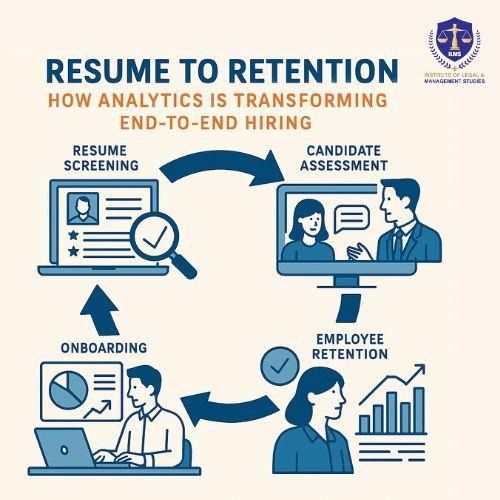
End-to-end hiring refers to the comprehensive recruitment process that covers every stage of talent acquisition — starting from sourcing and resume screening, moving through candidate assessment and selection, and continuing through onboarding and employee retention. Traditionally, hiring was viewed as a linear process, with recruiters focusing primarily on finding candidates who meet job descriptions and qualifications. However, modern talent acquisition goes beyond simply filling open positions; it encompasses the entire employee lifecycle, ensuring that the right candidates not only join an organization but also thrive and remain productive over time.
In today’s competitive talent market, organizations recognize that hiring is a strategic function directly linked to business success. End-to-end hiring integrates various phases into a seamless, data-informed pipeline, designed to improve efficiency, quality, and candidate experience. This holistic approach acknowledges that decisions made during resume screening or interviewing have long-term impacts on employee engagement and retention, thus necessitating a more connected and analytic-driven methodology.
1.2 Importance of Analytics in Modern Recruitment
Analytics has revolutionized recruitment by transforming hiring from an intuition-based activity into a data-driven science. Through advanced analytics, organizations can harness vast amounts of hiring-related data — from resumes and assessments to employee performance metrics — to generate actionable insights. These insights enable recruiters and HR leaders to make better-informed decisions at every stage of the hiring funnel.
Modern recruitment analytics employs tools like artificial intelligence (AI), machine learning (ML), and predictive modeling to identify patterns, forecast outcomes, and optimize hiring strategies. For instance, predictive analytics can highlight which candidates are most likely to succeed or stay with the company, while sentiment analysis can evaluate candidate feedback to enhance the hiring experience. Analytics helps reduce unconscious bias, improve diversity hiring, decrease time-to-hire, and ultimately enhance retention rates by aligning talent acquisition with organizational goals.
1.3 Purpose and Scope of the Article
This article aims to explore how analytics is transforming the entire hiring lifecycle, from the initial resume review through to long-term employee retention. It will delve into the stages of end-to-end hiring, illustrating how data-driven tools and techniques are reshaping recruitment practices. The discussion will include key analytics applications in resume screening, candidate assessment, onboarding, and retention, supported by real-world examples and case studies.
Furthermore, the article will address the technological landscape powering hiring analytics, ethical considerations, and the strategic benefits organizations gain by embracing these innovations. Finally, it will offer insights into future trends and best practices for integrating analytics into recruitment frameworks. By the end, readers will understand why analytics is no longer optional but essential for organizations seeking to hire effectively and retain top talent in a dynamic business environment.
2. Understanding the Hiring Funnel: From Resume to Retention
2.1 The Traditional Hiring Process
Traditionally, hiring has been a sequential and somewhat fragmented process, often managed through manual efforts and limited technology. The typical steps include job posting, resume collection, manual screening, interviewing, selection, offer extension, and onboarding. In many organizations, each phase operates in silos, with limited data sharing or feedback loops between stages. Recruiters rely heavily on gut feeling, personal judgment, or past experience to evaluate candidates, which can introduce bias and inefficiency.
The traditional process tends to prioritize speed over quality, aiming to fill positions quickly rather than focusing on long-term fit or retention. Additionally, there is minimal tracking of candidates after hire, making it difficult to assess the effectiveness of hiring decisions over time. This approach often leads to higher turnover rates and missed opportunities to improve the workforce strategically.
2.2 Challenges in Conventional Hiring
Conventional hiring faces numerous challenges that impact both the quality of hires and organizational outcomes:
- Time-Consuming Screening: Sorting through large volumes of resumes manually is labor-intensive and prone to errors or overlooked talent.
- Unconscious Bias: Human decision-making is vulnerable to biases related to gender, ethnicity, educational background, or other factors, limiting diversity and inclusion efforts.
- Inconsistent Candidate Evaluation: Without standardized metrics, assessments can vary widely between interviewers, leading to subjective and unreliable selection.
- Poor Candidate Experience: Lengthy or opaque hiring processes can frustrate candidates and harm the employer brand.
- Limited Predictive Insight: Organizations lack data to predict which candidates will succeed or stay, resulting in higher turnover and rehiring costs.
- Disconnection Between Hiring and Retention: Often, there is no feedback loop to connect hiring data with employee performance and retention, leaving talent strategies reactive rather than proactive.
These challenges create inefficiencies and lost opportunities, emphasizing the need for a more analytical and integrated approach.
2.3 The Need for a Data-Driven Approach
To overcome these limitations, companies increasingly turn to data-driven hiring approaches powered by analytics. By capturing and analyzing data throughout the recruitment process, organizations can gain objective insights that enhance decision-making. A data-driven hiring strategy helps:
- Streamline Resume Screening: Automate resume parsing and keyword matching to quickly identify qualified candidates.
- Improve Candidate Assessment: Use data from tests, interviews, and behavioral analytics to standardize evaluations and reduce bias.
- Enhance Candidate Experience: Monitor engagement metrics and feedback to optimize recruitment touchpoints.
- Predict Job Fit and Retention: Employ predictive models to forecast candidate success and reduce turnover.
- Align Hiring with Business Goals: Link recruitment analytics with workforce planning and performance management for strategic talent development.
Adopting a data-driven mindset shifts recruitment from an art to a science, enabling organizations to hire smarter, faster, and with greater confidence in long-term outcomes.
3. Role of Analytics in Resume Screening
3.1 Automated Resume Parsing and Keyword Matching
The initial step in the hiring process—resume screening—has historically been time-consuming and error-prone, especially for positions attracting large volumes of applicants. Automated resume parsing utilizes natural language processing (NLP) and machine learning algorithms to extract relevant information from resumes, such as skills, experience, education, and certifications. This technology transforms unstructured resume data into structured formats, enabling faster and more accurate filtering.
Keyword matching plays a pivotal role in this automation by comparing job description keywords with candidate resumes to assess relevance. Advanced parsing systems go beyond simple keyword counts by considering context, synonyms, and related terms, reducing false positives and improving the quality of shortlists. By automating this step, recruiters can focus their efforts on candidates who truly meet the job criteria, accelerating the hiring process without compromising quality.
3.2 Predictive Analytics for Candidate Shortlisting
Predictive analytics uses historical hiring data combined with candidate profiles to forecast which applicants are most likely to succeed in a role. Machine learning models analyze various data points—including resume attributes, past hiring outcomes, and performance metrics—to assign a predictive score to each candidate. These scores help prioritize applicants who possess characteristics aligned with high-performing employees.
This approach adds a strategic dimension to candidate shortlisting by moving beyond surface-level qualifications to consider deeper predictors of success. It reduces the chances of overlooking promising candidates who might not have perfect resumes but demonstrate potential through patterns identified in data. Predictive analytics also enables continual refinement of hiring criteria as more data accumulates, creating a dynamic, evolving recruitment process.
3.3 Reducing Bias with Data-Driven Screening
Traditional resume screening can inadvertently perpetuate biases related to gender, ethnicity, age, or educational background due to unconscious human judgment. Analytics-driven screening offers a way to minimize these biases by focusing on objective data points rather than subjective impressions. Algorithms can be designed to ignore demographic information and concentrate strictly on skills, experience, and qualifications.
Furthermore, data-driven screening can identify and correct biased patterns in historical hiring decisions. By auditing past data and adjusting algorithms accordingly, organizations can promote fairer and more inclusive recruitment practices. However, it is critical to ensure transparency and regularly evaluate these systems to prevent embedding new biases unintentionally.
3.4 Case Studies of Successful Resume Analytics
Several organizations have successfully leveraged analytics in resume screening to improve hiring outcomes. For example, a global technology firm implemented AI-powered resume parsing combined with predictive scoring, which reduced their time-to-fill by 30% and increased employee retention by 20%. Another multinational company integrated bias-reducing algorithms, leading to a 40% rise in diversity hires within one year.
These case studies highlight how combining automation, predictive insights, and fairness initiatives creates a powerful, scalable screening process. The success of such initiatives depends on careful data management, ongoing algorithm training, and close collaboration between HR and data science teams.
4. Candidate Assessment and Selection Using Analytics
4.1 Psychometric and Skill-Based Testing Analytics
Candidate assessments increasingly incorporate psychometric tests that measure cognitive abilities, personality traits, and emotional intelligence. Analytics transforms raw test results into actionable insights, enabling recruiters to compare candidates objectively against job requirements and organizational culture. Skill-based tests provide quantifiable evidence of technical proficiency, allowing data-driven evaluation rather than relying solely on interviews.
By analyzing patterns across candidate cohorts, organizations can identify which test scores correlate most strongly with job success. This continuous feedback loop helps refine assessment tools and ensures alignment with actual performance, enhancing the predictive power of pre-hire evaluations.
4.2 Video Interview Analysis and AI-Based Insights
- Certificate Course in Labour Laws
- Certificate Course in Drafting of Pleadings
- Certificate Programme in Train The Trainer (TTT) PoSH
- Certificate course in Contract Drafting
- Certificate Course in HRM (Human Resource Management)
- Online Certificate course on RTI (English/हिंदी)
- Guide to setup Startup in India
- HR Analytics Certification Course
The rise of remote hiring has popularized video interviews, creating opportunities for AI-powered analytics to enhance candidate evaluation. AI tools analyze facial expressions, voice modulation, and speech content to assess traits such as confidence, communication skills, and emotional responsiveness. Natural language processing evaluates the content of responses for relevance, clarity, and alignment with job competencies.
These insights supplement human judgment by providing standardized, data-backed evaluations that can reduce interviewer bias and improve consistency. Additionally, video interview analytics can flag potential red flags or highlight standout candidates early in the selection process, optimizing recruiter time and decision-making.
4.3 Behavioral and Cultural Fit Predictions
Cultural fit is a critical but often elusive factor in hiring success. Analytics helps quantify this by analyzing candidate responses, past behavior, and even social media data (where ethically permissible) to predict alignment with company values and work culture. Machine learning models incorporate data from employee surveys, turnover rates, and engagement scores to identify behavioral patterns that correlate with long-term retention and performance.
This data-driven approach supports building cohesive teams and fostering environments where employees thrive. Predicting cultural fit reduces costly mismatches and boosts overall organizational health.
4.4 Enhancing Decision Making through Data
Combining data from psychometric tests, video interviews, behavioral analytics, and resume screening creates a comprehensive candidate profile. Analytics platforms synthesize this multidimensional data into dashboards and scorecards, helping hiring managers visualize strengths and weaknesses objectively.
This evidence-based decision-making reduces reliance on gut feeling and personal bias, improving the quality and fairness of hiring choices. Data-driven insights also facilitate collaboration among stakeholders, enabling transparent discussions grounded in measurable criteria.
5. Onboarding Analytics: Setting Up New Hires for Success
5.1 Tracking Onboarding Engagement and Progress
Onboarding is a critical phase in the employee lifecycle, laying the foundation for productivity, engagement, and long-term retention. Analytics enables organizations to monitor onboarding progress in real time, tracking key indicators such as completion of training modules, participation in orientation activities, and feedback submissions. By measuring engagement levels, HR teams can identify new hires who may be struggling or disengaged early on.
Data from onboarding platforms can highlight which components are most effective or where bottlenecks exist, enabling continuous improvement. Tracking progress also allows managers to tailor support efforts, ensuring every employee receives the guidance and resources needed to succeed.
5.2 Early Indicators of Employee Performance
Analytics can detect early signals that predict future employee performance. These indicators might include the speed and accuracy of completing onboarding tasks, interaction frequency with mentors, or results from initial assessments and feedback sessions. By analyzing such data, organizations can forecast which employees are likely to excel or require additional coaching.
Early identification of potential performance challenges allows for proactive interventions, reducing risks of disengagement or turnover. This predictive insight supports managers in fostering development plans that align with individual strengths and areas for growth from day one.
5.3 Customizing Onboarding with Analytics
Every new hire brings unique experiences, skills, and learning preferences. Analytics empowers organizations to customize onboarding journeys based on individual data profiles. By analyzing past hiring data, learning styles, and role requirements, companies can create personalized onboarding plans that enhance relevance and engagement.
Customized onboarding improves knowledge retention, accelerates time-to-productivity, and increases job satisfaction. It also reinforces the company’s commitment to employee development, strengthening the employer brand and fostering loyalty from the outset.
6. Predictive Analytics for Employee Retention
6.1 Identifying At-Risk Employees Early
One of the most powerful applications of predictive analytics in HR is identifying employees who may be at risk of leaving the organization. By analyzing patterns such as decreased engagement scores, absenteeism, changes in productivity, or negative feedback, algorithms can flag individuals likely to consider exit.
Early identification enables targeted retention strategies like tailored career development, improved communication, or adjustments to work conditions. This proactive approach helps reduce costly turnover and preserve institutional knowledge.
6.2 Analytics in Understanding Employee Engagement
Employee engagement is a complex, multifaceted construct influenced by job satisfaction, recognition, work environment, and leadership. Analytics helps quantify engagement levels through surveys, pulse checks, and behavioral data such as collaboration frequency and internal mobility.
By dissecting engagement data, organizations can identify drivers and barriers, segment employees based on engagement risk, and tailor interventions accordingly. This nuanced understanding supports creating a motivated, committed workforce aligned with organizational goals.
6.3 Linking Hiring Data to Retention Outcomes
Connecting hiring analytics with retention data reveals insights about which recruitment practices lead to long-term success. By examining correlations between candidate profiles, assessment results, and subsequent tenure or performance, organizations can refine their hiring criteria to favor attributes linked to retention.
This data integration ensures recruitment strategies not only fill vacancies but also build sustainable talent pipelines. Over time, it helps create evidence-based hiring frameworks that improve workforce stability and reduce rehiring costs.
6.4 Case Examples of Retention Analytics
Many companies have successfully used retention analytics to enhance workforce stability. For example, a multinational consulting firm implemented predictive models to analyze engagement surveys, historical turnover, and performance data, resulting in a 25% reduction in voluntary attrition within two years. Another retail giant used retention analytics to redesign onboarding and mentorship programs, significantly improving new hire retention rates.
These case studies demonstrate how integrating retention analytics with broader talent management initiatives delivers measurable business value. Successful implementations depend on high-quality data, cross-functional collaboration, and ongoing evaluation.
7. Technology and Tools Powering End-to-End Hiring Analytics
7.1 Applicant Tracking Systems (ATS) with Analytics
Applicant Tracking Systems (ATS) have become foundational technology for recruitment teams, evolving from simple resume repositories to sophisticated platforms embedded with analytics capabilities. Modern ATS solutions not only streamline job posting, resume collection, and candidate tracking but also provide detailed analytics dashboards that measure key recruitment metrics such as time-to-fill, source effectiveness, and candidate pipeline health.
These systems employ AI-driven parsing and scoring to rank candidates automatically, helping recruiters prioritize their efforts. Integration with assessment tools and interview scheduling further centralizes hiring data, enabling end-to-end visibility and data-driven decisions throughout the hiring funnel.
7.2 AI and Machine Learning in Recruitment
Artificial Intelligence (AI) and Machine Learning (ML) are at the core of transforming recruitment analytics. AI algorithms power resume parsing, predictive candidate scoring, and natural language processing for analyzing interview responses and written assessments. Machine learning models continuously improve by learning from historical hiring and performance data, increasing prediction accuracy over time.
- Certificate Course in Labour Laws
- Certificate Course in Drafting of Pleadings
- Certificate Programme in Train The Trainer (TTT) PoSH
- Certificate course in Contract Drafting
- Certificate Course in HRM (Human Resource Management)
- Online Certificate course on RTI (English/हिंदी)
- Guide to setup Startup in India
- HR Analytics Certification Course
These technologies also enable chatbots for candidate engagement, automated interview scheduling, and personalized communication. By automating routine tasks and providing data-driven insights, AI and ML help recruiters focus on high-value activities and improve hiring quality.
7.3 Integration of HRIS and People Analytics Platforms
Integrating recruitment data with Human Resource Information Systems (HRIS) and broader people analytics platforms creates a unified view of the employee lifecycle. This integration links hiring data with onboarding, performance, engagement, and retention metrics, allowing HR leaders to understand how recruitment decisions impact long-term business outcomes.
People analytics platforms provide advanced visualization tools, predictive modeling, and benchmarking capabilities. They enable workforce planning and talent management strategies grounded in comprehensive data rather than isolated recruitment metrics, fostering strategic alignment across HR functions.
7.4 Emerging Trends in Hiring Technology
The hiring technology landscape is rapidly evolving with innovations such as:
- Bias Mitigation Tools: AI systems designed to detect and minimize bias in job descriptions, screening, and assessment.
- Candidate Experience Platforms: Technologies focusing on enhancing communication, feedback, and personalization throughout recruitment.
- Virtual Reality (VR) and Gamification: Engaging candidates with immersive job previews and gamified assessments.
- Blockchain for Credentials Verification: Secure, tamper-proof verification of educational and professional credentials.
- Real-Time Analytics and Chatbots: Providing immediate insights and personalized candidate interactions.
Staying abreast of these trends enables organizations to maintain a competitive edge in attracting and retaining talent.
8. Challenges and Ethical Considerations in Hiring Analytics
8.1 Data Privacy and Candidate Consent
Handling candidate data responsibly is paramount in recruitment analytics. Organizations must ensure compliance with data privacy regulations such as GDPR, CCPA, and others relevant to their regions. Candidates should be informed transparently about what data is collected, how it will be used, and must provide explicit consent.
Data minimization principles require collecting only necessary information, securely storing data, and enabling candidates to access or delete their data. Ethical data handling builds trust and safeguards organizational reputation.
8.2 Avoiding Algorithmic Bias and Ensuring Fairness
While analytics can reduce human bias, poorly designed algorithms risk perpetuating or amplifying existing biases. Bias can enter through training data, feature selection, or model assumptions. Continuous auditing of algorithms is necessary to detect unfair patterns affecting gender, ethnicity, age, or other protected groups.
Employing diverse development teams, using bias detection tools, and adopting fairness-aware machine learning techniques help ensure equitable hiring processes. Ethical AI frameworks and standards are critical in guiding responsible algorithm deployment.
8.3 Transparency in Data Use and Decision Making
Transparency about how analytics inform hiring decisions is essential for accountability and candidate trust. Candidates and hiring teams should understand what data influences decisions and how models generate recommendations.
Clear communication about the role of AI and data analytics in recruitment processes, along with opportunities for human review, helps balance automation with fairness. Transparency also supports regulatory compliance and mitigates risks of discrimination claims.
8.4 Legal and Regulatory Compliance
Hiring analytics must comply with labor laws, anti-discrimination statutes, and industry-specific regulations. Organizations need to ensure their data collection, storage, and processing practices meet legal standards.
Regular legal reviews, collaboration with compliance experts, and documentation of analytics methodologies are best practices to avoid legal pitfalls. Adhering to ethical and legal frameworks reinforces a culture of integrity in recruitment.
9. Strategic Benefits of Analytics-Driven Hiring
9.1 Improving Quality of Hire
Analytics-driven hiring fundamentally enhances the quality of hires by leveraging data to identify candidates who are most likely to succeed and thrive within the organization. Through predictive models that analyze resumes, assessments, and behavioral data, hiring teams can move beyond subjective judgment and intuition to make objective decisions rooted in evidence. This leads to selecting candidates with the right skills, cultural fit, and potential for growth, resulting in higher job performance, lower turnover, and stronger team dynamics.
By continuously analyzing post-hire performance data, organizations refine their hiring criteria to focus on traits and experiences that correlate with success, fostering a virtuous cycle of quality improvement in talent acquisition.
9.2 Reducing Time-to-Fill and Cost-per-Hire
The application of analytics accelerates the hiring process by automating routine tasks such as resume parsing, candidate ranking, and interview scheduling. Real-time data insights allow recruiters to focus on the most promising candidates quickly, reducing delays in decision-making. Streamlined workflows supported by analytics reduce the overall time-to-fill positions, ensuring business continuity and agility.
In addition, cost-per-hire declines as fewer resources are spent on screening unsuitable candidates or on repeated hiring cycles due to poor fit. Analytics enable smarter investments in sourcing channels and assessment tools, optimizing recruitment budgets while maintaining or enhancing quality.
9.3 Enhancing Candidate Experience
A data-driven hiring process improves candidate experience by fostering transparency, communication, and personalization. Analytics help tailor interactions based on candidate preferences and behavior, such as personalized messaging, timely updates, and customized interview schedules.
Moreover, automated systems reduce the frustration associated with delays and lack of feedback, creating a smoother, more engaging journey for applicants. Positive candidate experiences strengthen employer branding, increase acceptance rates, and can convert candidates into brand ambassadors regardless of hiring outcomes.
9.4 Driving Business Outcomes Through Better Talent
Ultimately, analytics-driven hiring aligns talent acquisition with broader business goals. By securing employees who fit well and perform optimally, organizations enhance productivity, innovation, and customer satisfaction. Analytics also provide strategic insights into workforce composition, enabling better succession planning, skills development, and diversity initiatives.
Data-informed hiring thus becomes a critical lever for competitive advantage, fueling sustained organizational growth and adaptability in dynamic markets.
10. Future of Hiring Analytics: Trends and Innovations
10.1 Real-Time Analytics and Hiring Dashboards
The future of hiring analytics is real-time data visualization through interactive dashboards that provide instant insights into recruitment metrics, candidate pipelines, and hiring bottlenecks. These dashboards empower recruiters and managers to monitor progress continuously, respond proactively to challenges, and make agile decisions based on up-to-the-minute data.
Real-time analytics also facilitate scenario modeling and what-if analyses, helping teams forecast hiring outcomes and plan resources effectively.
- Certificate Course in Labour Laws
- Certificate Course in Drafting of Pleadings
- Certificate Programme in Train The Trainer (TTT) PoSH
- Certificate course in Contract Drafting
- Certificate Course in HRM (Human Resource Management)
- Online Certificate course on RTI (English/हिंदी)
- Guide to setup Startup in India
- HR Analytics Certification Course
10.2 Use of Natural Language Processing and Sentiment Analysis
Natural Language Processing (NLP) is increasingly applied to analyze unstructured text data from resumes, cover letters, interview transcripts, and candidate communications. Sentiment analysis, a branch of NLP, gauges the tone and emotional context of candidate responses or feedback, offering deeper insights into candidate engagement, enthusiasm, and cultural fit.
These technologies enable nuanced evaluations beyond keywords and surface-level data, enhancing both screening and interview processes.
10.3 Integration of Wellness and Employee Experience Data
As organizations recognize the importance of holistic employee well-being, future hiring analytics will integrate wellness metrics and employee experience data. This may include analyzing stress indicators, work-life balance preferences, and mental health signals to predict job satisfaction and retention.
Such integration allows for more personalized hiring and onboarding strategies, promoting healthier workplaces and more sustainable employment relationships.
10.4 Predictive Talent Mobility and Workforce Planning
Advanced predictive models will forecast internal talent mobility, identifying employees most likely to transition roles, be promoted, or seek new opportunities. Coupling hiring analytics with workforce planning tools will enable organizations to anticipate skill gaps, optimize talent pipelines, and align recruitment efforts with strategic business needs.
This forward-looking approach supports proactive talent management, reducing reactive hiring and fostering a resilient, future-ready workforce.
11. Conclusion
11.1 Summary of Key Insights
Throughout this article, we explored how analytics is revolutionizing the entire hiring lifecycle—from resume screening to employee retention. We examined traditional hiring challenges and the pressing need for a data-driven approach that enhances decision-making, reduces bias, and optimizes outcomes. Analytics empowers organizations to automate resume parsing, improve candidate assessments, personalize onboarding, and predict retention risks.
The integration of advanced technologies such as AI, machine learning, and natural language processing enables deeper insights, faster hiring cycles, and superior candidate experiences. However, ethical considerations like data privacy, bias mitigation, and transparency remain critical to responsible adoption.
11.2 The Transformative Power of Analytics in Hiring
Analytics is transforming hiring from an often subjective and fragmented process into a strategic, measurable, and continuous competitive advantage. By harnessing data, companies can improve quality of hire, reduce costs, increase workforce stability, and ultimately drive business success. Hiring analytics integrates recruitment with broader talent management, fostering alignment between people strategies and organizational goals.
As technology and methodologies evolve, organizations that embrace analytics thoughtfully will be better positioned to attract, develop, and retain top talent in an increasingly complex and competitive labor market.
11.3 Recommendations for Organizations Embracing Analytics
To fully realize the benefits of analytics-driven hiring, organizations should:
- Invest in robust data infrastructure and integrated platforms to capture end-to-end hiring metrics.
- Prioritize transparency and candidate communication to build trust and improve experiences.
- Regularly audit algorithms and data processes to minimize bias and ensure fairness.
- Foster cross-functional collaboration between HR, data science, legal, and business leaders.
- Continuously refine hiring models based on post-hire outcomes and changing workforce dynamics.
- Stay updated with emerging technologies and ethical frameworks to innovate responsibly.
By embedding analytics into their talent acquisition culture and processes, organizations can transform hiring into a strategic driver of sustained growth and competitive advantage.
FAQ Section
Q1: What is end-to-end hiring analytics?
A1: End-to-end hiring analytics refers to the use of data and analytical tools throughout the entire recruitment process, from resume screening to onboarding and employee retention, to improve hiring quality and efficiency.
Q2: How does analytics reduce bias in recruitment?
A2: Analytics minimizes bias by using objective data-driven criteria for screening and selection, auditing algorithms for fairness, and ensuring diverse data sets to prevent discriminatory patterns.
Q3: Can predictive analytics really forecast employee retention?
A3: Yes, predictive analytics uses historical data on employee behavior, engagement, and performance to identify those at risk of leaving, enabling early intervention and improved retention strategies.
Q4: What role does AI play in modern recruitment?
A4: AI automates routine tasks like resume parsing and interview scheduling, enhances candidate assessments through machine learning models, and provides actionable insights to recruiters.
Q5: Are there ethical concerns with using analytics in hiring?
A5: Yes, organizations must address data privacy, ensure transparency, avoid algorithmic bias, and comply with legal regulations to use hiring analytics ethically and responsibly.
Q6: How does analytics improve candidate experience?
A6: Analytics personalizes communication, provides timely updates, and streamlines processes, creating a more engaging and respectful experience for candidates.
Q7: What technologies support end-to-end hiring analytics?
A7: Applicant Tracking Systems (ATS), AI and machine learning tools, HR Information Systems (HRIS), people analytics platforms, and emerging tools like NLP and sentiment analysis are key technologies.
Q8: How do Applicant Tracking Systems (ATS) enhance hiring analytics?
A8: ATS platforms centralize candidate data, automate resume parsing, track applicant progress, and provide analytics dashboards that help recruiters measure and optimize recruitment metrics like time-to-fill and source effectiveness.
Q9: What is predictive talent mobility and how does it relate to hiring analytics?
A9: Predictive talent mobility uses data to forecast employee movements within an organization—such as promotions or transfers—helping align hiring with workforce planning and succession strategies.
Q10: How does natural language processing (NLP) improve candidate assessments?
A10: NLP analyzes unstructured data like resumes, interview transcripts, and candidate communications to extract insights about skills, sentiment, and cultural fit, going beyond keyword matching for deeper evaluation.
Q11: Can analytics help reduce hiring costs?
A11: Yes, by optimizing sourcing strategies, automating screening, and improving quality of hire, analytics reduce unnecessary hiring cycles and administrative overhead, thereby lowering overall recruitment expenses.
Q12: What are some common challenges when implementing hiring analytics?
A12: Challenges include data quality issues, integration of disparate systems, resistance to change from HR teams, potential biases in algorithms, and ensuring compliance with privacy regulations.
Q13: How does analytics aid in customizing onboarding experiences?
A13: Analytics track new hire engagement and performance indicators to tailor onboarding programs based on individual needs, improving assimilation and accelerating productivity.
Q14: What steps can organizations take to ensure ethical use of AI in hiring?
A14: Organizations should implement bias detection and mitigation tools, ensure transparency in AI decision-making, obtain informed candidate consent, and regularly review AI systems for fairness and accuracy.
Q15: How does integrating wellness data impact hiring and retention analytics?
A15: Incorporating wellness and employee experience data helps predict job satisfaction and burnout risks, allowing employers to hire candidates who align with workplace culture and support long-term retention.
Q16: Are small businesses able to leverage hiring analytics effectively?
A16: Yes, many cloud-based, affordable analytics tools and ATS platforms are tailored for small businesses, helping them compete for talent by making smarter hiring decisions with limited resources.
- Certificate Course in Labour Laws
- Certificate Course in Drafting of Pleadings
- Certificate Programme in Train The Trainer (TTT) PoSH
- Certificate course in Contract Drafting
- Certificate Course in HRM (Human Resource Management)
- Online Certificate course on RTI (English/हिंदी)
- Guide to setup Startup in India
- HR Analytics Certification Course