
1. Introduction
1.1 What is Employee Voice Analytics?
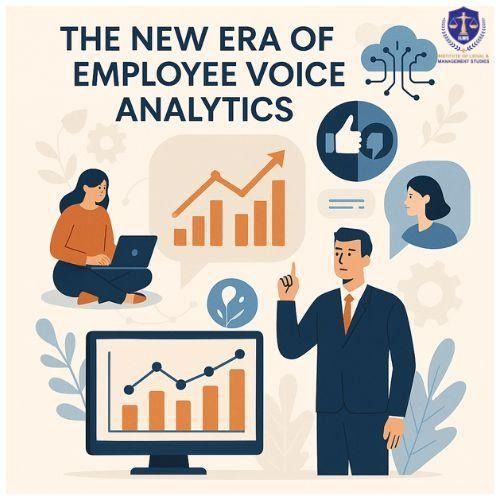
Employee Voice Analytics is an advanced approach to capturing, analyzing, and interpreting the thoughts, feelings, opinions, and experiences of employees within an organization. Unlike traditional feedback methods that rely heavily on structured surveys or occasional performance reviews, employee voice analytics taps into a broader spectrum of data sources. These can include open-text responses, chat conversations, emails, social media posts, and even spoken interactions. Using sophisticated technologies such as natural language processing (NLP) and machine learning, organizations can convert this diverse and often unstructured data into actionable insights.
At its core, employee voice analytics aims to understand the “true voice” of employees — not just what they say in formal settings, but their genuine sentiments and concerns expressed in daily communications. This empowers organizations to make data-driven decisions that enhance employee engagement, productivity, and overall workplace satisfaction.
1.2 Evolution to the New Era of Employee Voice Analytics
The practice of collecting employee feedback has been around for decades, often in the form of annual surveys or suggestion boxes. While valuable, these traditional methods presented significant limitations: they were infrequent, slow to analyze, and prone to bias or low participation rates. The rise of digital communication tools and the explosion of workplace data transformed this landscape, ushering in the new era of employee voice analytics.
Today, modern organizations leverage continuous listening platforms that gather real-time feedback across multiple channels. The integration of artificial intelligence (AI) enables automated analysis of large volumes of qualitative data, revealing deep insights about employee sentiment, emerging issues, and cultural trends. This shift from static, survey-based feedback to dynamic, scalable voice analytics marks a significant leap forward in how businesses understand and engage their workforce.
1.3 Importance of Listening to Employees at Scale
Listening to employees at scale is no longer a luxury but a strategic necessity. In a rapidly changing business environment characterized by remote work, diverse teams, and evolving employee expectations, organizations must continuously gauge the employee experience to remain competitive. Scaling listening efforts ensures that feedback is representative of the entire workforce, minimizing blind spots and biases.
When done effectively, large-scale employee voice analytics enables early identification of challenges such as burnout, disengagement, or workplace inequities. It fosters a culture of transparency and trust, showing employees that their opinions matter. Moreover, it equips leaders with timely data to adapt policies, improve communication, and drive meaningful change—ultimately boosting retention, innovation, and organizational performance.
2. Understanding Employee Voice Analytics
2.1 Traditional Employee Feedback vs. Voice Analytics
Traditional employee feedback mechanisms primarily rely on structured surveys, annual performance reviews, and focus groups. While these methods capture important data points, they often fail to provide a holistic or real-time understanding of employee sentiment. Surveys tend to be static, asking predetermined questions that might not reflect the full complexity of employee experiences. Additionally, survey fatigue can lower response rates and reduce data quality.
Voice analytics, in contrast, harnesses unstructured data from a variety of everyday communication channels, capturing spontaneous and authentic employee expressions. Using AI-powered techniques, organizations analyze free-form text, spoken language, and sentiment, thereby uncovering subtle emotions and emerging trends that traditional methods might miss. This approach leads to richer insights and more timely interventions.
2.2 Types of Employee Voice Data (Surveys, Text, Chat, Social Media)
Employee voice data comes from multiple sources, each offering unique perspectives:
- Surveys: Structured questionnaires (annual, quarterly, pulse) that quantify employee opinions on engagement, culture, and satisfaction.
- Open-Ended Text Responses: Free-text answers in surveys or feedback platforms revealing nuanced thoughts.
- Chat and Email: Internal communication tools like Slack, Microsoft Teams, and email threads where employees discuss work-related topics.
- Social Media: Public or internal social platforms where employees share experiences or feedback.
- Exit Interviews and Focus Groups: Qualitative sources providing deeper insights into employee motivations and concerns.
- Voice and Speech Analytics: Analysis of recorded calls or meetings capturing tone, emotion, and sentiment.
Combining these varied data types allows for a comprehensive understanding of the employee experience.
2.3 Key Metrics and KPIs in Employee Voice Analytics
To translate raw voice data into actionable insights, organizations track several key metrics, including:
- Sentiment Score: Measures the overall positivity, negativity, or neutrality of employee communications.
- Engagement Index: Derived from multiple feedback sources indicating levels of motivation and commitment.
- Theme and Topic Frequency: Identifies recurring subjects or issues employees discuss.
- Response Rate and Participation: Tracks how many employees contribute feedback, reflecting inclusiveness.
- Emotional Tone and Intensity: Detects stress, satisfaction, or frustration levels in communications.
- Action Closure Rate: Measures how effectively leadership responds to employee feedback.
Monitoring these KPIs helps organizations evaluate the health of their workforce and the impact of their interventions.
3. Technologies Driving the New Era
3.1 Artificial Intelligence and Machine Learning
Artificial Intelligence (AI) and Machine Learning (ML) form the backbone of modern employee voice analytics. These technologies enable automated processing and interpretation of massive volumes of employee-generated data that would be impossible to analyze manually. ML algorithms learn patterns from historical feedback to classify sentiments, detect anomalies, and even predict future employee behaviors such as turnover risk or engagement dips.
By continuously improving with new data, AI models can uncover hidden correlations and subtle trends that traditional analysis might overlook. This results in faster, more accurate insights that empower HR teams to respond proactively rather than reactively.
3.2 Natural Language Processing (NLP) and Sentiment Analysis
Natural Language Processing (NLP) is a specialized AI branch focused on understanding human language. In employee voice analytics, NLP techniques parse unstructured text—whether from surveys, chats, emails, or social media—to extract meaning, context, and sentiment.
Sentiment analysis, a core NLP application, evaluates whether the expressed opinions are positive, negative, or neutral. More advanced systems assess emotional tone, detect sarcasm, and recognize key themes or entities (e.g., leadership, workload, diversity). This depth of analysis enables organizations to capture nuanced employee emotions and better understand the underlying drivers behind feedback.
3.3 Real-Time Analytics and Continuous Listening Tools
The new era demands continuous listening rather than periodic feedback snapshots. Real-time analytics tools process incoming employee voice data instantly, offering up-to-date dashboards and alerts on sentiment shifts or emerging issues. These tools often support pulse surveys, instant feedback mechanisms, and integration with communication platforms to maintain a constant feedback loop.
- Certificate Course in Labour Laws
- Certificate Course in Drafting of Pleadings
- Certificate Programme in Train The Trainer (TTT) PoSH
- Certificate course in Contract Drafting
- Certificate Course in HRM (Human Resource Management)
- Online Certificate course on RTI (English/हिंदी)
- Guide to setup Startup in India
- HR Analytics Certification Course
This immediacy allows organizations to quickly detect and address concerns before they escalate, fostering a responsive and agile workplace culture.
3.4 Integration with HR Systems and Collaboration Platforms
Effective employee voice analytics doesn’t operate in isolation. Seamless integration with existing HR information systems (HRIS), performance management software, and collaboration platforms like Microsoft Teams or Slack is essential. Such integrations allow data from multiple sources to flow into a unified analytics platform, enriching insights.
Moreover, embedding voice analytics insights directly into leadership dashboards or manager workflows ensures that feedback is actionable and accessible to decision-makers across the organization.
4. Benefits of the New Era Employee Voice Analytics
4.1 Enhanced Employee Engagement and Experience
By capturing real-time, authentic feedback, organizations can better understand employee needs and concerns. This fosters a culture where employees feel heard and valued, directly boosting engagement levels. Enhanced engagement correlates with higher productivity, lower absenteeism, and reduced turnover.
Furthermore, continuous listening enables tailored interventions—such as personalized learning or well-being programs—that improve the overall employee experience.
4.2 Improved Decision-Making for Leadership
Employee voice analytics provides leaders with a data-driven foundation for decision-making. Instead of relying on intuition or limited feedback samples, leadership gains a comprehensive view of workforce sentiment and issues. This leads to more informed strategic planning, resource allocation, and policy development aligned with employee needs and business goals.
4.3 Early Detection of Risks and Opportunities
The real-time nature and depth of insights allow organizations to identify risks—such as disengagement, burnout, or diversity gaps—well before they manifest in turnover or performance problems. Likewise, analytics can uncover opportunities, like emerging leadership potential or innovative ideas, that might otherwise go unnoticed.
Proactive risk management and opportunity capitalization help maintain organizational health and competitiveness.
4.4 Driving Diversity, Equity & Inclusion Initiatives
Employee voice analytics sheds light on DE&I issues by identifying patterns of inequity or exclusion expressed in employee feedback. By analyzing sentiments across demographics and teams, organizations can pinpoint areas needing attention, measure the impact of DE&I programs, and hold themselves accountable.
This data-driven approach fosters a more inclusive culture, improving employee satisfaction and attracting diverse talent.
5. Challenges and Barriers in Implementation
5.1 Data Privacy and Ethical Concerns
Handling employee data responsibly is paramount. Voice analytics involves processing sensitive and often personal information, raising privacy and ethical considerations. Organizations must ensure compliance with regulations (e.g., GDPR) and transparently communicate how data is collected, stored, and used.
Balancing analytics benefits with respect for employee confidentiality is critical to maintaining trust.
5.2 Managing Data Volume and Complexity
The vast amount of unstructured data from multiple channels can overwhelm organizations lacking the right infrastructure or expertise. Proper data management, storage solutions, and skilled analysts are essential to distill meaningful insights without getting lost in noise.
Investing in scalable technology and training is necessary to handle data complexity.
5.3 Change Management and Cultural Resistance
Adopting continuous listening and voice analytics requires shifts in organizational culture and mindset. Employees and leaders may resist new feedback mechanisms due to fear of surveillance, skepticism about impact, or change fatigue.
Clear communication, involvement of stakeholders, and demonstrating tangible results help overcome resistance and foster buy-in.
5.4 Ensuring Actionable Insights and Follow-Through
Collecting data is only valuable if it leads to meaningful action. Many organizations struggle with translating voice analytics insights into concrete improvements. Without accountability, feedback loops can break down, causing employee disengagement.
Establishing clear processes for action, monitoring progress, and closing the feedback loop are vital for sustained success.
- Certificate Course in Labour Laws
- Certificate Course in Drafting of Pleadings
- Certificate Programme in Train The Trainer (TTT) PoSH
- Certificate course in Contract Drafting
- Certificate Course in HRM (Human Resource Management)
- Online Certificate course on RTI (English/हिंदी)
- Guide to setup Startup in India
- HR Analytics Certification Course
6. Best Practices for Effective Employee Voice Analytics
6.1 Building a Listening Strategy Aligned with Business Goals
To maximize impact, employee voice analytics must be strategically aligned with overarching business objectives. This means identifying key focus areas—such as improving retention, boosting innovation, or enhancing diversity—and tailoring listening initiatives accordingly. A well-defined strategy includes selecting relevant data sources, establishing clear success metrics, and ensuring leadership commitment. Alignment ensures that feedback insights drive meaningful business outcomes rather than collecting data for data’s sake.
6.2 Combining Quantitative and Qualitative Approaches
Effective voice analytics balances quantitative data (e.g., survey scores, sentiment ratings) with qualitative insights (e.g., open-ended responses, conversation analysis). Quantitative data provides measurable trends and benchmarks, while qualitative feedback reveals the context and emotions behind the numbers. Integrating both approaches offers a richer, more nuanced understanding of employee experiences and helps surface actionable themes that might be missed by numbers alone.
6.3 Establishing Governance and Data Security Protocols
Because employee voice analytics involves sensitive personal data, strong governance and security protocols are essential. This includes defining data access controls, anonymizing or aggregating data to protect privacy, complying with regulations (e.g., GDPR, CCPA), and conducting regular audits. Clear policies around data use build employee trust and minimize legal risks while enabling responsible, ethical analytics practices.
6.4 Engaging Employees in Feedback Loops and Communication
Closing the feedback loop is critical for sustaining employee participation and trust. Organizations should communicate the insights gained from voice analytics transparently and share how feedback is shaping decisions or improvements. Encouraging two-way communication, providing opportunities for further dialogue, and recognizing employee contributions fosters a culture of openness and continuous engagement.
7. Case Studies and Real-World Applications
7.1 Tech Industry: Driving Innovation through Continuous Listening
Leading technology companies harness continuous employee voice analytics to fuel innovation. By tracking sentiment around new initiatives, leadership effectiveness, and work environment, these firms quickly identify pain points and adjust strategies. For example, real-time feedback on remote work policies helped tech giants refine flexible arrangements, boosting productivity and satisfaction.
7.2 Healthcare Sector: Enhancing Patient and Employee Experience
In healthcare, employee voice analytics supports better patient care by improving staff well-being and engagement. Hospitals analyze feedback from nurses and doctors to address burnout, staffing challenges, and workflow inefficiencies. This data-driven approach correlates with higher patient satisfaction scores and better clinical outcomes.
7.3 Retail and Customer Service: Linking Employee Voice to Customer Satisfaction
Retail organizations link employee voice analytics with customer experience metrics to improve service quality. By understanding frontline employee concerns and morale, companies adjust training, schedules, and incentive programs. Improved employee engagement directly translates to enhanced customer interactions and loyalty.
7.4 Large Enterprises vs. SMEs: Tailoring Analytics to Organization Size
While large enterprises benefit from sophisticated analytics platforms integrated across multiple departments, small and medium enterprises (SMEs) often require simpler, cost-effective solutions. SMEs typically focus on core feedback channels and prioritize rapid, actionable insights. Regardless of size, customizing voice analytics to organizational needs is essential for success.
8. Future Trends in Employee Voice Analytics
8.1 Predictive Analytics and Proactive Workforce Planning
The future of voice analytics lies in predictive capabilities, where AI models anticipate workforce trends like turnover risk or engagement drops before they happen. Proactive planning enables organizations to intervene early, optimize talent allocation, and reduce costly disruptions.
8.2 AI-Driven Personalized Employee Experiences
Advances in AI will enable hyper-personalized employee experiences, delivering tailored learning, recognition, and well-being programs based on individual voice data patterns. This personalization enhances motivation and retention.
8.3 Expansion to Hybrid and Remote Workforces
With hybrid and remote work becoming the norm, voice analytics will increasingly focus on distributed workforce dynamics. Monitoring virtual communication channels and understanding remote employee sentiments will be critical to maintaining cohesion and culture.
8.4 Ethical AI and Transparency in Voice Analytics
As AI-driven analytics grow, ethical considerations around transparency, bias mitigation, and data consent will gain prominence. Organizations will need to adopt frameworks ensuring AI tools are fair, explainable, and respectful of employee rights.
9. How to Get Started: Implementation Roadmap
- Certificate Course in Labour Laws
- Certificate Course in Drafting of Pleadings
- Certificate Programme in Train The Trainer (TTT) PoSH
- Certificate course in Contract Drafting
- Certificate Course in HRM (Human Resource Management)
- Online Certificate course on RTI (English/हिंदी)
- Guide to setup Startup in India
- HR Analytics Certification Course
9.1 Assessing Current Feedback and Analytics Maturity
Begin by evaluating existing employee feedback mechanisms and analytics capabilities. Identify gaps in data collection, analysis, and usage. Understand organizational readiness, technology infrastructure, and cultural openness to change.
9.2 Selecting the Right Tools and Technologies
Choose analytics platforms that align with business needs, scalability requirements, and integration capabilities. Prioritize solutions with strong AI and NLP features, real-time analytics, and robust security measures.
9.3 Training and Upskilling HR and Leadership Teams
Equip HR professionals, managers, and leaders with skills to interpret analytics outputs, communicate findings, and implement actions. Continuous learning ensures the organization extracts maximum value from voice data.
9.4 Measuring Success and Continuous Improvement
Define clear KPIs to track the impact of voice analytics initiatives—such as engagement scores, turnover rates, and action closure rates. Use ongoing measurement to refine strategies, tools, and processes, fostering a culture of continuous improvement.
10. Conclusion
10.1 Recap of the New Era’s Importance
The new era of employee voice analytics represents a transformational shift in how organizations listen to, understand, and engage their workforce. By leveraging cutting-edge technologies such as AI, machine learning, and natural language processing, companies are moving beyond traditional feedback mechanisms toward continuous, real-time, and scalable listening. This evolution is crucial in today’s dynamic business environment, where employee expectations and workplace models are rapidly changing.
10.2 The Role of Employee Voice Analytics in Future Workplaces
As workplaces become increasingly hybrid, diverse, and digitally connected, employee voice analytics will be at the heart of successful talent management strategies. It empowers organizations to anticipate workforce needs, identify emerging risks and opportunities, and drive personalized employee experiences. Moreover, its role in promoting inclusion, transparency, and ethical use of data will be foundational to building trust and sustaining competitive advantage.
10.3 Final Thoughts and Call to Action
Embracing the new era of employee voice analytics is no longer optional—it is a strategic imperative. Organizations that prioritize listening at scale and translate insights into meaningful action will foster more engaged, resilient, and innovative workforces. Leaders are called upon to invest in the right technologies, build a culture of open communication, and ensure ethical stewardship of employee data. By doing so, they not only enhance organizational performance but also contribute to a more human-centric future of work.
Frequently Asked Questions (FAQ)
Q1: What is Employee Voice Analytics?
Employee Voice Analytics refers to the use of advanced technologies like AI and NLP to gather, analyze, and interpret employee feedback from multiple channels in order to understand workforce sentiment, engagement, and concerns at scale.
Q2: How is the new era of employee voice analytics different from traditional feedback methods?
Traditional methods rely on periodic surveys and manual analysis, providing limited snapshots. The new era emphasizes continuous listening, real-time analysis, unstructured data processing, and integration with business systems for proactive insights.
Q3: What types of data are analyzed in employee voice analytics?
It includes structured data from surveys and polls as well as unstructured data such as open-ended survey responses, emails, chat messages, social media posts, and other communication channels.
Q4: What technologies drive employee voice analytics?
Key technologies include Artificial Intelligence (AI), Machine Learning (ML), Natural Language Processing (NLP), sentiment analysis, real-time analytics platforms, and integrations with HR and collaboration tools.
Q5: How can employee voice analytics benefit my organization?
Benefits include improved employee engagement and experience, better decision-making by leadership, early detection of risks and opportunities, and support for diversity, equity, and inclusion initiatives.
Q6: What are some challenges in implementing employee voice analytics?
Challenges include ensuring data privacy and ethical use, managing large volumes of complex data, overcoming organizational resistance to change, and converting insights into actionable outcomes.
Q7: How do organizations ensure data privacy in employee voice analytics?
By implementing strict governance policies, anonymizing data, complying with data protection regulations like GDPR, and maintaining transparency with employees about data use.
Q8: Can employee voice analytics work for small and medium enterprises (SMEs)?
Yes. While large enterprises might have more complex setups, SMEs can use simpler, scalable tools tailored to their size and needs to gain meaningful insights.
Q9: How does continuous listening improve employee engagement?
Continuous listening enables real-time feedback capture, showing employees their voices are heard consistently, which fosters trust, responsiveness, and a culture of openness.
Q10: What future trends should organizations watch for in employee voice analytics?
Look for advances in predictive analytics, AI-driven personalized employee experiences, expanded focus on hybrid/remote workforce insights, and increasing emphasis on ethical AI and data transparency.
Q11: How can organizations get started with employee voice analytics?
Start by assessing current feedback practices, choosing appropriate technology, training HR and leadership teams, and setting clear goals and KPIs to measure progress.
- Certificate Course in Labour Laws
- Certificate Course in Drafting of Pleadings
- Certificate Programme in Train The Trainer (TTT) PoSH
- Certificate course in Contract Drafting
- Certificate Course in HRM (Human Resource Management)
- Online Certificate course on RTI (English/हिंदी)
- Guide to setup Startup in India
- HR Analytics Certification Course