
1. Introduction
1.1 Definition of Earned Leave
Earned leave, often referred to as paid leave or annual leave, is a type of leave granted to employees based on the duration of their service with an organization. Unlike casual or sick leave, earned leave is accrued over time and can be accumulated or carried forward depending on company policy. It serves as a recognition of the employee’s consistent work and loyalty, offering a period of rest or personal time while maintaining financial security. Earned leave is distinct from unpaid leave, as employees continue to receive their salary during the leave period, which makes it an essential component of total compensation and benefits. Typically, the accrual is calculated either on a monthly or yearly basis, with policies stipulating maximum limits, rules for carry forward, and conditions under which leave can be encashed.
1.2 Importance of Earned Leave in Modern Workplaces
In contemporary workplaces, earned leave has evolved from a mere statutory requirement to a strategic tool for employee engagement and retention. Beyond providing rest, it helps prevent burnout, reduces stress, and promotes overall mental and physical health. Employees who have the flexibility to take time off as needed tend to demonstrate higher levels of productivity and creativity when they return to work. Moreover, in an era of increased remote work and flexible schedules, earned leave acts as a formal mechanism to ensure employees do not overextend themselves, thus maintaining a sustainable work-life balance. Organizations are increasingly recognizing that generous leave policies can enhance employer branding, foster loyalty, and contribute to a positive workplace culture.
1.3 Objectives of the Article
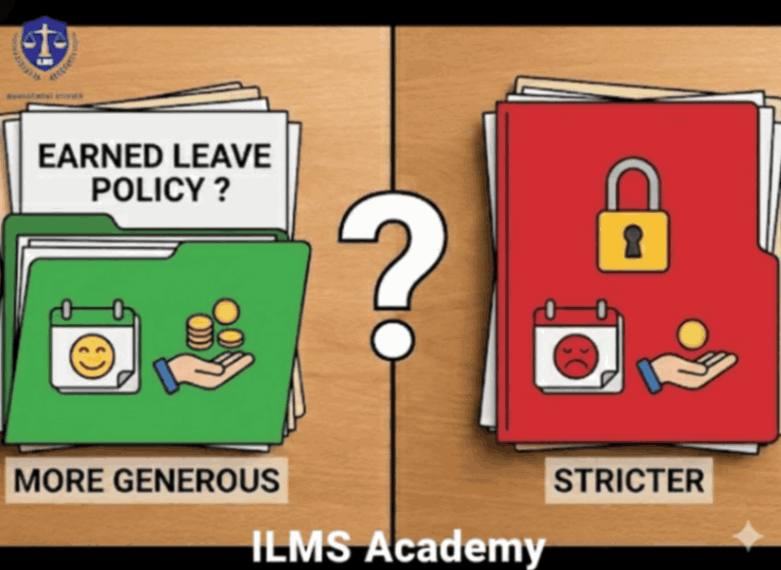
This article aims to provide a comprehensive exploration of earned leave, addressing whether organizations should adopt more generous policies or enforce stricter management. It seeks to analyze historical trends, legal frameworks, organizational and employee perspectives, and emerging practices. By the end of this discussion, readers should gain a clear understanding of the advantages and challenges of different leave policies, insights into how they impact productivity and employee satisfaction, and guidance for implementing effective, balanced leave systems in their workplaces.
2. Historical Perspective of Earned Leave
2.1 Evolution of Paid Leave Policies Globally
Paid leave, including earned leave, has a long history rooted in labor rights movements during the industrial revolution. Initially, leave policies were non-existent or extremely limited, as factory work demanded long hours with little consideration for employee well-being. Gradually, as governments and labor unions advocated for workers’ rights, annual paid leave became codified in law across many countries. European nations such as France, Germany, and the United Kingdom led the way with statutory leave entitlements, often starting at two to three weeks per year, and gradually increasing over the decades. In the United States, although there is no federal mandate for paid vacation, private companies adopted structured leave policies as a competitive benefit, highlighting the growing recognition that employee wellness and productivity are interconnected.
2.2 Earned Leave Practices in India
In India, earned leave practices are largely governed by the Factories Act, 1948, and the Shops and Establishments Acts enacted in various states. These regulations require organizations to provide a minimum number of paid leave days to employees, typically accrued at a rate of one day per 20 days worked, or equivalent monthly accrual systems. The concept of earned leave is widely integrated into Indian corporate policies, often allowing employees to carry forward unused leave to future years or encash it upon resignation or retirement. Public sector organizations often offer more generous leave policies than private sector companies, reflecting differences in workforce management priorities and institutional norms.
2.3 Key Milestones and Legal Developments
Several legal developments have shaped earned leave policies in India. For instance, amendments to the Shops and Establishments Acts across different states have standardized accrual rates, encashment rules, and leave carry-forward limits. Additionally, labor courts and tribunals have adjudicated disputes regarding leave entitlements, reinforcing compliance obligations. Globally, milestones such as the International Labour Organization (ILO) conventions on paid leave have influenced policy formulation, promoting standards for leave that balance worker rights with organizational needs. These milestones illustrate the ongoing evolution of earned leave as both a statutory requirement and a strategic human resource tool.
3. Legal Framework and Regulations
3.1 Labour Laws Governing Earned Leave in India
Earned leave in India is primarily governed by labor laws including the Factories Act, 1948, which mandates leave for factory employees based on days worked. The Shops and Establishments Acts in each state regulate earned leave for commercial establishments, often stipulating accrual rates, carry-forward limits, and encashment provisions. Employees are generally entitled to a minimum of 12 to 15 days of earned leave per year, depending on the length of service, though private organizations may offer more generous policies as part of their employee benefits strategy.
3.2 Compliance Requirements for Organizations
Organizations must track and maintain accurate records of leave accrual, usage, and carry-forward to ensure legal compliance. This includes maintaining leave registers, providing timely updates to employees regarding their leave balance, and adhering to statutory encashment rules. Failure to comply can result in legal penalties, employee grievances, or labor tribunal interventions. Compliance also extends to ensuring that leave policies are communicated clearly and consistently, with transparent criteria for approval, carry-forward, and forfeiture.
3.3 Differences Across States and Industries
While the basic principle of earned leave remains consistent, state-level variations in Shops and Establishments Acts introduce differences in leave entitlements. Some states allow higher accrual rates or more generous carry-forward provisions. Similarly, industries with high operational demands, such as manufacturing or IT services, may implement stricter leave policies to ensure continuity, while knowledge-based sectors may adopt more flexible approaches to support creativity and employee satisfaction. These variations highlight the need for organizations to design policies that respect legal requirements while aligning with business objectives.
3.4 International Comparisons
Globally, earned leave policies differ significantly. European countries generally mandate longer paid leave periods, often exceeding 20 days per year, emphasizing employee well-being. In contrast, U.S. companies frequently offer 10–15 days annually, reflecting a less regulated approach. Comparing international standards allows Indian organizations to benchmark their leave policies, offering insights into trends such as unlimited leave policies, flexible leave arrangements, and outcome-focused work cultures. This global perspective is increasingly relevant for multinational organizations operating in India.
4. Organizational Perspective
4.1 The Rationale for Generous Leave Policies
Organizations that adopt generous leave policies often aim to enhance employee satisfaction, reduce burnout, and strengthen retention. Generous leave can act as a differentiator in competitive job markets, attracting top talent who value flexibility and well-being. It can also improve employee morale, leading to higher engagement, reduced absenteeism, and greater loyalty. By providing a structured yet flexible leave system, companies signal that they prioritize employee health, which in turn can enhance productivity in the long term.
4.2 The Case for Stricter Leave Management
Conversely, stricter leave policies focus on operational efficiency, cost control, and predictable workforce availability. Excessive unused leave accrual can create financial liabilities, particularly when encashment is allowed. Strict policies ensure that employees plan leaves responsibly and avoid disruptions in critical workflows. Organizations with high operational dependency or customer-facing roles often prefer clear rules for leave approval, balancing employee rights with business needs. Stricter management can also encourage employees to utilize leave in a manner that aligns with organizational priorities, mitigating absenteeism during peak periods.
4.3 Balancing Productivity and Employee Wellbeing
The ideal approach often lies between extremes, emphasizing both productivity and employee well-being. Organizations can implement policies that encourage regular leave usage while ensuring continuity of operations. Strategies may include staggered leave schedules, flexible work-from-home options, and clear communication regarding leave planning. By integrating employee wellness metrics into HR strategies, companies can optimize leave policies to support health, engagement, and organizational performance simultaneously.
- Certificate Course in Labour Laws
- Certificate Course in Drafting of Pleadings
- Certificate Programme in Train The Trainer (TTT) PoSH
- Certificate course in Contract Drafting
- Certificate Course in HRM (Human Resource Management)
- Online Certificate course on RTI (English/हिंदी)
- Guide to setup Startup in India
- HR Analytics Certification Course
4.4 Impact on HR Policies and Payroll
Leave policies directly impact HR operations and payroll management. Accurate leave tracking, encashment calculations, and accrual accounting are critical for compliance and financial planning. Generous policies may increase payroll liabilities, whereas strict policies may reduce flexibility but streamline administration. HR departments must maintain robust systems to track leave data, analyze trends, and ensure policies are equitable, consistent, and aligned with organizational objectives.
5. Employee Perspective
5.1 Work-Life Balance and Leave Flexibility
From the employee perspective, earned leave is a vital component of work-life balance. Flexible leave policies allow employees to attend personal matters, family responsibilities, or health needs without compromising financial stability. The ability to plan and utilize leave contributes to reduced stress, better mental health, and improved overall quality of life. Employees increasingly consider leave policies as a critical factor when choosing employers, making it an essential part of employer branding.
5.2 Leave Accrual, Carry Forward, and Forfeiture
Accrual and carry-forward provisions determine how employees can benefit from earned leave. Policies that allow leave to accumulate over years provide financial and personal security, while strict forfeiture rules may incentivize timely usage but also create dissatisfaction if leave is lost unnecessarily. Clear communication of accrual rates, maximum carry-forward limits, and encashment options is essential to avoid confusion and disputes. Employees value transparency in these mechanisms as it directly affects their financial planning and personal freedom.
5.3 Psychological and Health Impacts of Leave Policies
Effective leave policies contribute to positive mental health outcomes, stress reduction, and enhanced job satisfaction. Conversely, restrictive or poorly managed leave systems can result in burnout, reduced motivation, and increased absenteeism. Employees who feel supported in taking leave are more likely to engage fully with their work, exhibit creativity, and maintain long-term commitment to the organization. The psychological contract between employer and employee is strengthened when leave policies are perceived as fair and supportive.
5.4 Employee Retention and Satisfaction
Earned leave policies are closely tied to retention and overall employee satisfaction. Generous, flexible, and well-managed leave systems foster loyalty and reduce turnover, while overly restrictive policies can lead to disengagement and attrition. Organizations that balance operational needs with employee well-being often see higher productivity, lower recruitment costs, and a more positive workplace culture. Strategic leave management is therefore not just a compliance issue but a critical driver of human capital success.
6. Financial and Operational Implications
6.1 Cost of Generous Leave Policies
While generous leave policies can enhance employee satisfaction and retention, they inevitably create financial implications for organizations. Accumulated leave balances represent a liability on the company’s books, particularly when encashment is allowed upon resignation or retirement. This can impact cash flow and financial planning, especially in large organizations with thousands of employees. Additionally, extended absences can require temporary staffing or redistribution of workload, potentially increasing operational costs. Organizations must therefore balance the intangible benefits of employee well-being against the tangible financial burden, ensuring that leave policies are sustainable while remaining attractive to employees.
6.2 Operational Challenges of Strict Leave Policies
Stricter leave management may reduce financial liabilities but presents operational challenges. Employees may be forced to take leave within rigid timelines, which can cause dissatisfaction, decreased morale, and higher attrition. Operationally, strict policies may also lead to underutilization of leave, causing burnout and reduced productivity over time. Critical periods, such as project deadlines or seasonal business peaks, require careful scheduling, and inflexible leave systems can exacerbate absenteeism or workforce shortages. HR teams must therefore balance strict leave rules with mechanisms that allow for operational flexibility and employee satisfaction.
6.3 Strategies to Optimize Leave Management
To achieve an optimal balance, organizations can employ a variety of strategies. These include implementing staggered leave schedules to ensure operational continuity, encouraging employees to plan leaves in advance, and integrating leave management into workforce planning. Offering partial encashment of unused leave or converting leave into flexible work benefits can reduce financial liabilities while promoting fair utilization. Transparent communication of policies, combined with monitoring leave trends through data analytics, allows organizations to fine-tune their approach, ensuring both cost-effectiveness and employee satisfaction.
7. Case Studies and Best Practices
7.1 Indian Companies with Generous Leave Policies
Several Indian organizations, particularly in the IT and consulting sectors, have adopted generous leave policies to attract and retain top talent. Companies such as Infosys and Tata Consultancy Services offer leave accrual systems that allow employees to carry forward unused leave and encash it, alongside providing flexible work arrangements. These companies recognize that well-rested employees are more productive and creative, using leave policies as a tool to enhance engagement and employer branding. The success of these policies is reflected in lower attrition rates and higher employee satisfaction scores, demonstrating that generosity in leave can translate into long-term organizational benefits.
7.2 Indian Companies with Stricter Leave Policies
Conversely, manufacturing and logistics firms often operate under stricter leave frameworks to maintain continuous operations. Companies like Tata Steel and Reliance Industries enforce rigid leave schedules with limited carry-forward options, ensuring workforce availability during critical production periods. While this approach minimizes operational disruptions and financial liability, it may reduce flexibility for employees, potentially impacting morale and retention if not accompanied by other benefits such as overtime pay or recognition programs. Strict policies are often justified in high-dependency roles where even short absences can have cascading operational effects.
7.3 Lessons from Global Organizations
Global organizations offer a variety of lessons on leave management. Companies like Netflix and Google emphasize flexible, outcome-oriented leave policies, including unlimited or discretionary leave, promoting trust and autonomy. European firms, particularly in Scandinavia, prioritize generous statutory leave alongside parental leave and wellness initiatives, linking employee well-being directly to productivity and engagement. These models demonstrate that tailored leave policies, aligned with organizational culture and operational requirements, can yield both high employee satisfaction and business performance.
7.4 Innovative Leave Management Practices
Innovation in leave management is increasingly driven by technology and employee-centric design. Practices such as leave swapping, digital leave requests, real-time leave dashboards, and wellness leave days have emerged as tools to enhance engagement while maintaining operational efficiency. Some organizations offer “leave banks” that allow employees to donate or pool leave for colleagues in need, fostering community and solidarity. These innovations illustrate that creative approaches to leave management can address both employee expectations and business constraints simultaneously.
- Certificate Course in Labour Laws
- Certificate Course in Drafting of Pleadings
- Certificate Programme in Train The Trainer (TTT) PoSH
- Certificate course in Contract Drafting
- Certificate Course in HRM (Human Resource Management)
- Online Certificate course on RTI (English/हिंदी)
- Guide to setup Startup in India
- HR Analytics Certification Course
8. Technology and Leave Management
8.1 Role of HRMS and Leave Tracking Systems
Human Resource Management Systems (HRMS) have transformed leave management by automating accrual tracking, approval workflows, and reporting. Modern HRMS platforms allow employees to check leave balances, submit requests, and receive instant approvals, reducing administrative burden and ensuring accuracy. Automated notifications and reminders also help prevent lapses, such as exceeding accrual limits or failing to encash unused leave. Integration with payroll systems ensures seamless financial accounting, making HR operations more efficient and transparent.
8.2 Analytics for Leave Policy Optimization
Advanced analytics tools enable organizations to monitor leave trends, identify patterns of absenteeism, and predict peak leave periods. By leveraging historical data, HR teams can optimize leave policies, anticipate staffing shortages, and balance workloads effectively. Predictive analytics also helps assess the impact of leave policies on productivity and employee engagement, allowing management to make informed decisions. Analytics-driven leave management ensures policies are fair, sustainable, and aligned with both employee needs and business goals.
8.3 Digital Solutions for Employee Engagement
Beyond operational efficiency, technology enhances employee engagement by providing transparency and flexibility in leave usage. Mobile apps, self-service portals, and interactive dashboards empower employees to plan their leave, track approvals, and explore leave-related benefits. Gamification of leave usage or wellness-based leave incentives can further motivate employees to take time off proactively, supporting mental health and engagement. Digital tools make leave management more intuitive, fostering a culture of trust and accountability.
9. Emerging Trends in Earned Leave
9.1 Flexible and Unlimited Leave Policies
A prominent trend in modern workplaces is the adoption of flexible and unlimited leave policies. Unlike traditional leave systems, which set strict limits on accrual and usage, these policies prioritize trust and employee autonomy. Companies like Netflix and HubSpot pioneered unlimited leave frameworks, allowing employees to manage their time off based on personal needs while ensuring that work responsibilities are met. The benefits are twofold: employees experience greater control over their work-life balance, while organizations can reduce administrative burdens associated with tracking leave accruals. However, successful implementation requires a culture of accountability; employees must not abuse the policy, and managers must ensure that operational objectives are not compromised. Flexible leave is particularly valued in knowledge-based industries where creativity and mental well-being directly influence performance.
9.2 Shift to Outcome-Oriented Work Culture
Modern HR practices increasingly focus on productivity and results rather than hours spent in the office. In such outcome-oriented cultures, leave policies are designed around work completion rather than attendance. Employees can take time off when necessary, provided that deadlines and objectives are met. This approach fosters a sense of ownership and responsibility, encouraging employees to balance work commitments with personal life without micromanagement. Companies adopting this model often complement it with digital collaboration tools, flexible schedules, and performance dashboards to monitor output objectively. The shift aligns with the broader trend of hybrid work and remote teams, emphasizing results and trust over rigid leave calculations.
9.3 Generational Perspectives on Leave Usage
Employee expectations around leave are significantly influenced by generational factors. Millennials and Gen Z employees tend to prioritize well-being, flexibility, and time for personal development or family commitments. They expect policies that support mental health days, wellness leave, and flexible vacation schedules. Older generations, while valuing earned leave, often focus on predictable accrual and encashment benefits. Organizations must navigate these generational differences carefully. A one-size-fits-all policy may fail to engage all employees effectively. Customized approaches, such as optional wellness leave, sabbaticals, or flexible work hours, can address diverse needs while maintaining fairness and operational efficiency.
9.4 Post-Pandemic Changes in Leave Expectations
The COVID-19 pandemic reshaped employees’ views on leave, emphasizing health, wellness, and flexibility. Remote work, increased stress levels, and blurred boundaries between personal and professional life heightened the demand for more supportive leave policies. Companies are now considering mental health days, work-from-home allowances, and extended leave for caregiving responsibilities. Post-pandemic trends indicate that employees increasingly assess employers based on how leave policies support overall well-being, rather than just statutory compliance. This shift is particularly pronounced in sectors where talent retention is critical; organizations that fail to adapt risk losing skilled employees to more flexible competitors.
10. Challenges and Controversies
10.1 Abuse of Leave Policies
While generous leave policies benefit employee satisfaction, they carry the risk of misuse. Abuse can take several forms, such as extended unplanned absences, frequent leave requests during critical periods, or strategic accumulation of leave to exploit encashment options. Such behavior can disrupt workflows, strain team dynamics, and impact overall productivity. Organizations must implement clear guidelines and approval processes, alongside monitoring systems to detect patterns of misuse. Training managers to apply policies consistently, and fostering a culture of trust with accountability, helps reduce abuse while preserving the benefits of flexible leave policies.
10.2 Conflicts Between Employee Rights and Productivity
A central challenge in leave management is balancing statutory rights with operational requirements. Employees are entitled to take their earned leave, but business continuity can be compromised if too many employees are absent simultaneously. This is particularly critical in sectors like manufacturing, logistics, or customer support, where operational presence is essential. Conflicts often arise when leave requests coincide with peak workloads or project deadlines. Organizations must proactively manage leave schedules, implement staggered leave plans, and communicate policies transparently to avoid tension. Striking the right balance between respecting employee rights and ensuring productivity is key to preventing dissatisfaction and operational disruption.
10.3 Legal Disputes and Compliance Issues
Mismanagement or non-compliance with leave policies can lead to legal disputes, including claims for unpaid leave, improper encashment, or denial of statutory entitlements. Indian labor laws, such as the Factories Act and Shops & Establishments Acts, mandate specific leave entitlements and accrual practices, and violations can result in penalties or litigation. Multi-state organizations face additional complexity due to regional variations in regulations. Proper record-keeping, transparent communication of policies, and adherence to statutory guidelines are essential to mitigate legal risks. HR teams must regularly audit leave management practices, educate employees about their rights, and ensure that policies are applied consistently across the organization.
11. Recommendations for Organizations
11.1 Designing Balanced Leave Policies
Designing balanced leave policies requires organizations to harmonize employee well-being with operational efficiency. Policies should consider statutory requirements, industry benchmarks, and workforce expectations while ensuring that business continuity is not compromised. One approach is to offer a combination of fixed earned leave and flexible leave options, allowing employees to address personal needs without disrupting organizational workflows. Organizations can also provide provisions for encashment, carry-forward limits, and wellness or mental health days, ensuring employees feel valued while mitigating excessive financial liabilities. Incorporating employee feedback during policy formulation can enhance acceptance and engagement. Ultimately, a balanced policy promotes trust, reduces absenteeism, and strengthens long-term retention.
11.2 Communicating Policies Clearly
Even the most well-designed leave policy can fail if employees are unaware of its provisions or misunderstand them. Clear and consistent communication is therefore essential. Policies should be documented comprehensively, covering accrual, carry-forward, encashment, approval procedures, and exceptions. Organizations can leverage HR portals, mobile apps, or intranet platforms to provide easy access to policy information. Managers should be trained to explain the rationale behind leave policies and address queries effectively. Regular updates and reminders about leave balances and usage can also prevent confusion. Transparent communication ensures fairness, minimizes disputes, and fosters a culture of accountability and trust.
- Certificate Course in Labour Laws
- Certificate Course in Drafting of Pleadings
- Certificate Programme in Train The Trainer (TTT) PoSH
- Certificate course in Contract Drafting
- Certificate Course in HRM (Human Resource Management)
- Online Certificate course on RTI (English/हिंदी)
- Guide to setup Startup in India
- HR Analytics Certification Course
11.3 Monitoring and Evaluating Leave Impact
To ensure that leave policies remain effective, organizations must monitor their usage and evaluate their impact on productivity and employee engagement. Analytics tools can track leave trends, identify patterns of absenteeism or underutilization, and provide insights into potential operational risks. Organizations should periodically review whether leave policies align with workforce needs, business goals, and changing legal requirements. Employee surveys and feedback mechanisms can further inform adjustments. By continuously evaluating leave impact, companies can refine policies to maintain an optimal balance between employee satisfaction and operational efficiency, ensuring sustainable human resource management.
12. Conclusion
Earned leave is no longer a mere statutory entitlement; it is a strategic instrument for enhancing employee satisfaction, engagement, and productivity. Organizations face the challenge of determining whether to adopt more generous policies or enforce stricter management, and there is no one-size-fits-all solution. Generous leave can improve well-being, loyalty, and talent retention but comes with financial and operational implications. Stricter policies safeguard continuity and reduce liability but risk employee dissatisfaction and burnout. The key lies in designing balanced, transparent, and flexible policies that consider legal compliance, operational needs, and evolving workforce expectations. As global trends shift toward flexibility, outcome-oriented work, and employee-centric practices, organizations must innovate and leverage technology to optimize leave management. A thoughtful, well-communicated, and monitored leave policy not only fulfills statutory obligations but also strengthens organizational culture, fosters trust, and contributes to long-term success.
Frequently Asked Questions (FAQ) on Earned Leave
1. What is earned leave, and how is it different from other types of leave?
Earned leave is a type of paid leave that employees accrue based on the length of their service with an organization. Unlike casual leave or sick leave, which are usually intended for short-term emergencies or personal needs, earned leave is often planned in advance and can be carried forward or encashed, depending on company policy. It serves both as a statutory entitlement and a recognition of consistent service, ensuring employees can take time off without affecting their salary.
2. How is earned leave accrued?
Accrual of earned leave typically occurs on a monthly or yearly basis. For example, an organization may grant one day of earned leave for every 20 days worked or a fixed number of days per year. Accrual rules can vary based on organizational policies, state labor laws, and employee categories. Some companies also allow employees to earn additional leave based on seniority, performance, or special circumstances.
3. Can earned leave be carried forward to the next year?
Yes, many organizations allow employees to carry forward unused earned leave to the following year. However, there is often a cap on the maximum number of days that can be carried forward, and any excess leave beyond the limit may be forfeited or automatically encashed. Carry-forward policies vary by company and state regulations, making it essential for employees to understand their organization’s rules.
4. Is encashment of earned leave allowed?
Encashment is a common feature of earned leave policies, where employees receive monetary compensation for unused leave days, typically at the time of resignation, retirement, or at the end of the fiscal year. Some organizations allow partial encashment throughout the year, while others only permit it upon exit. Legal provisions in India also support encashment for accrued leave in specific cases, ensuring employees do not lose their entitlements.
5. What are the benefits of earned leave for employees?
Earned leave provides employees with rest, recovery, and time to address personal or family matters without financial loss. It promotes mental and physical well-being, reduces stress, and improves overall productivity. Flexible and well-managed leave policies also enhance work-life balance, job satisfaction, and loyalty, making employees more likely to stay with the organization long-term.
6. How do generous leave policies affect organizations financially?
Generous leave policies can increase payroll liabilities, especially if encashment is allowed, and may require additional resources to manage workloads during employee absences. However, they can also reduce absenteeism, improve employee engagement, and lower turnover, which can offset costs over time. Organizations must balance these financial considerations with operational needs to ensure sustainability.
7. What challenges do organizations face with strict leave policies?
Strict leave policies minimize financial liabilities and ensure workforce availability but may lead to employee dissatisfaction, burnout, and lower engagement. Employees might feel restricted or undervalued, potentially impacting morale and retention. Operational challenges also arise if rigid policies do not account for emergencies or personal needs, highlighting the importance of balance and flexibility.
8. How has the pandemic influenced earned leave policies?
The COVID-19 pandemic accelerated the need for flexible leave policies, mental health days, and remote work options. Employees now expect leave policies to address wellness, caregiving responsibilities, and work-life balance more comprehensively. Organizations have adapted by offering flexible schedules, enhanced sick leave, and wellness-focused leave, reflecting changing expectations in the post-pandemic workplace.
9. What role does technology play in leave management?
Technology, particularly Human Resource Management Systems (HRMS) and analytics platforms, plays a crucial role in tracking leave accrual, approvals, and usage. Digital tools provide employees with visibility into leave balances, facilitate seamless requests, and help HR teams analyze trends, prevent misuse, and optimize leave policies. Technology also supports reporting and compliance, reducing administrative burdens.
10. How can organizations design effective earned leave policies?
Effective leave policies balance statutory compliance, operational needs, and employee well-being. Organizations should ensure clarity in accrual, carry-forward, and encashment rules, communicate policies transparently, and use data to monitor trends and evaluate impact. Employee input, flexibility, and technology-enabled management are key factors in designing policies that promote satisfaction while maintaining productivity.
- Certificate Course in Labour Laws
- Certificate Course in Drafting of Pleadings
- Certificate Programme in Train The Trainer (TTT) PoSH
- Certificate course in Contract Drafting
- Certificate Course in HRM (Human Resource Management)
- Online Certificate course on RTI (English/हिंदी)
- Guide to setup Startup in India
- HR Analytics Certification Course