
1. Introduction
Overview of Labour Laws
Labour laws constitute a crucial pillar of a country’s socio-economic framework, regulating the relationship between employers, employees, trade unions, and the government. In essence, labour laws are a set of legal provisions designed to ensure the protection, welfare, and rights of workers while also facilitating smooth industrial relations and economic productivity. These laws cover a wide spectrum of areas including wages, working conditions, industrial disputes, occupational safety, job security, and social security benefits.
The primary aim of labour laws is to create a legal framework that governs employment relationships in a fair, equitable, and just manner. These laws ensure that workers are not subjected to exploitation, and at the same time, they provide mechanisms for employers to manage workforce-related responsibilities and obligations effectively. Labour laws also play a role in laying down guidelines for employment contracts, termination procedures, benefits such as provident funds, maternity leave, and gratuity, and the right to collective bargaining through trade unions.
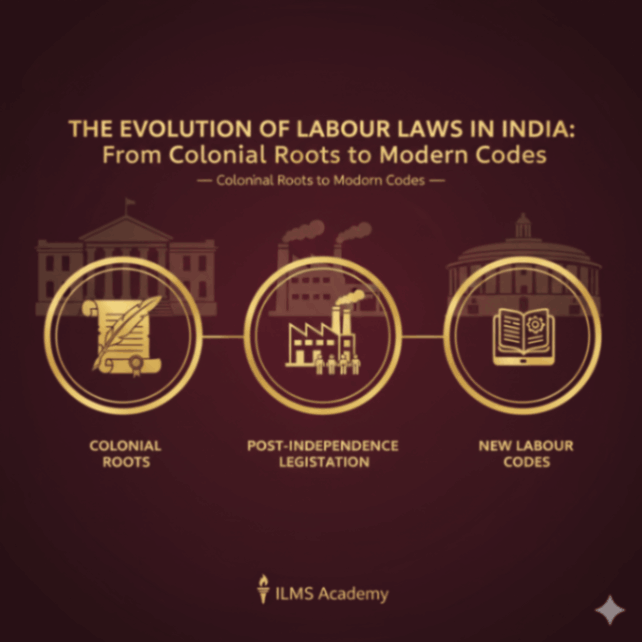
Over the decades, the framework of labour laws in India has evolved significantly, influenced by a variety of factors such as industrial growth, socio-political movements, international labour standards, and judicial interventions. Initially derived from colonial intentions, these laws have gradually transformed to accommodate the rights and dignity of workers, balancing economic objectives with social justice.
Importance of Labour Legislation in India
India, with its vast and diverse labour force spanning both the formal and informal sectors, requires a strong legislative framework to address the complex dynamics of employment and labour relations. Labour laws in India are not merely regulatory instruments; they are also vehicles of social transformation. Given that a significant portion of India's population depends on wages for survival, the role of labour legislation becomes indispensable in ensuring fair income, decent working conditions, and human dignity.
Labour legislation holds importance for several reasons. Firstly, it provides legal recognition and protection to workers, many of whom come from vulnerable and marginalized sections of society. These laws shield workers from arbitrary dismissal, unsafe work environments, unfair wage practices, and excessive working hours. For example, laws like the Factories Act mandate safe working conditions, while the Payment of Wages Act ensures timely remuneration.
Secondly, labour laws are essential for industrial peace and economic development. By establishing dispute resolution mechanisms and encouraging collective bargaining, labour laws help prevent and manage conflicts between workers and employers. This stability, in turn, enhances productivity, investment, and long-term economic growth.
Thirdly, in a globalized economy, compliance with international labour standards has become critical for attracting foreign investments and maintaining trade relationships. Indian labour laws, especially post-independence, have increasingly incorporated principles laid out by bodies like the International Labour Organization (ILO), making them globally relevant and competitive.
Lastly, labour legislation plays a vital role in promoting inclusive growth and social justice. It ensures that the fruits of economic progress are equitably distributed and that no section of society is left behind. In a country as diverse as India, labour laws act as instruments for uplifting disadvantaged groups, including women, children, contract workers, and the differently abled.
In conclusion, labour laws form the bedrock of a just and equitable work environment. They are vital not only for the protection and empowerment of workers but also for maintaining industrial harmony and achieving national economic goals. The historical journey of Indian labour laws—from colonial exploitation to a more rights-based modern code—reflects the broader trajectory of India’s democratic and economic development.
2. Colonial Foundations of Labour Laws in India
Early Industrialization and Labour Exploitation
The foundations of labour laws in India are deeply rooted in the country’s colonial history. The advent of British rule brought about a transformation in India's socio-economic landscape, particularly with the onset of industrialization in the mid-19th century. This period marked the rise of factory-based production, especially in sectors like textiles, jute, coal, and railways. However, this industrial growth occurred in an environment largely devoid of legal protections for workers.
Labourers, including women and children, were subjected to extremely poor working conditions. Long working hours, meagre wages, lack of sanitation, absence of medical aid, and the prevalence of hazardous work environments were the norm. The exploitation was severe and systemic, with little to no recourse for redress. Children as young as six or seven were made to work for 12–16 hours a day under inhumane conditions. Women, too, were employed in large numbers and suffered from wage discrimination and unsafe workplaces.
It is crucial to note that the early industrial labour system in India was not driven by domestic policy goals but by the interests of the British colonial administration and capital. The primary aim was to ensure uninterrupted production and to serve the interests of British-owned enterprises. The native labour force was considered expendable, and there was minimal concern for their welfare or rights.
The exploitative nature of labour relations during this period eventually led to social unrest, worker migrations, and growing criticism from social reformers and human rights advocates, both in India and Britain. This gradually forced the colonial government to introduce certain labour laws—not out of humanitarian concern, but primarily to ensure control, maintain order, and appease international critics.
British Legislative Initiatives
The first phase of labour legislation in India was introduced primarily under pressure from British philanthropists and Parliamentarians who were concerned about the working conditions in colonies. It was also influenced by similar developments in the United Kingdom, where laws protecting factory workers had begun to take shape. The British Parliament began to question how colonial enterprises could enjoy profits based on the exploitation of cheap Indian labour.
The earliest legislative measures were thus aimed more at regulating the labour force for efficient production rather than genuinely improving labour welfare. For example, the initial Factories Act of 1881 was introduced not because of Indian advocacy but due to mounting pressure from British textile manufacturers who feared competition from the Indian textile industry, where labour costs were extremely low due to poor regulation.
Despite their limited intent, these early laws laid the foundation for formal labour regulation in India. They introduced the idea that working conditions, however minimal, could and should be subject to legal oversight. The state began to assume a regulatory role in the employment relationship, albeit within a colonial framework of control and economic exploitation.
Major Colonial-Era Acts
Several key legislative enactments during the British period played a foundational role in the development of labour laws in India. Among the most significant are:
1. The Factories Act, 1881 (and its subsequent revisions)
The Factories Act of 1881 was the first labour legislation in colonial India. It aimed to regulate the working hours of children in manufacturing industries. It prohibited the employment of children under the age of seven and restricted the working hours of those between 7 and 12 to nine hours a day. Though rudimentary, this Act signaled the beginning of legal oversight in factory conditions.
Later amendments to the Act, especially in 1891 and 1911, introduced provisions related to the health and safety of workers, female labour regulations, and more defined working hours.
2. The Workmen’s Compensation Act, 1923
This landmark Act was the first in Indian legislative history to recognize the principle of employer liability in cases of industrial accidents. Under this law, employers were required to provide compensation to workers who were injured or killed in the course of employment. It represented a shift in the legal philosophy—from negligence-based liability to a more humanitarian and protective approach. The Act was progressive for its time and laid the groundwork for future social security legislation in independent India.
3. The Trade Disputes Act, 1929
As labour movements and trade unions began to gain momentum in the 1920s, the British government introduced the Trade Disputes Act, 1929. It was aimed at controlling industrial unrest and limiting the power of trade unions. The Act made strikes in public utility services illegal without prior notice and imposed restrictions on the rights of workers to organize and protest. Although framed under the guise of maintaining industrial peace, it was primarily intended to suppress organized labour movements that were beginning to align with the Indian nationalist struggle.
4. The Indian Trade Unions Act, 1926
This Act legally recognized trade unions for the first time and provided a framework for their registration and regulation. It was a double-edged sword—while it legitimized union activities and offered protection to registered unions, it also subjected them to state oversight and control. Nonetheless, it was a critical milestone in the history of labour organization in India.
5. The Payment of Wages Act, 1936
This Act was introduced to regulate the payment of wages to certain classes of employed persons and to ensure that wages were paid on time and without unauthorized deductions. It was designed to curb exploitative practices such as delayed payments, unwarranted fines, and unauthorized deductions that were common in colonial industrial settings.
The colonial phase of labour law evolution in India was marked by a blend of exploitative control and gradual legal reform. While the primary motive of British legislative initiatives was to maintain administrative and economic order rather than worker welfare, the laws enacted during this period established the structural and ideological foundation for future labour reforms in independent India. They marked the beginning of a legal regime that would eventually be transformed into a rights-based system after independence.
3. Post-Independence Labour Reforms (1947–1990)
Constitutional Provisions on Labour
The independence of India in 1947 marked a transformative era for labour rights and social justice. One of the earliest and most significant developments in this context was the framing of the Constitution of India, which came into effect in 1950. The Constitution laid down a strong foundation for labour welfare by embedding several provisions directly related to workers' rights, thereby shifting the focus from colonial exploitation to human dignity and equity.
Labour was placed in the Concurrent List (List III) under the Seventh Schedule of the Constitution, allowing both the Union and State governments to enact labour laws. This division acknowledged the diversity of India’s workforce and industries while ensuring a degree of central regulation and uniformity.
Several Fundamental Rights and Directive Principles of State Policy (DPSPs) directly address labour-related issues:
- Article 14 guarantees equality before the law and equal protection of laws, ensuring non-discrimination in employment.
- Article 16 ensures equality of opportunity in matters of public employment.
- Article 19(1)(c) grants the right to form associations or unions, forming the constitutional basis for trade unionism.
- Article 21 provides for the right to life and personal liberty, interpreted by courts to include the right to livelihood and humane working conditions.
Under the Directive Principles:
- Article 38 promotes the welfare of the people by securing social order.
- Article 39 emphasizes the right to an adequate means of livelihood and equal pay for equal work.
- Article 41 ensures the right to work, education, and public assistance in cases of unemployment and old age.
- Article 42 directs the state to provide just and humane conditions of work and maternity relief.
These constitutional mandates served as a blueprint for a wide range of post-independence labour reforms aimed at enhancing worker protection and promoting socio-economic justice.
Role of Labour in Nation Building
In the immediate aftermath of independence, India embarked on an ambitious journey of industrialization and planned economic development. The role of labour was seen not merely as economic input but as a cornerstone of national progress. Workers were expected to contribute to the building of public sector enterprises, infrastructure, and manufacturing industries, all of which were central to India’s development strategy.
The government envisioned a symbiotic relationship between industrial growth and worker welfare. Labour was no longer to be seen as a dispensable factor of production but as a human resource that required education, training, social security, and participatory rights. This was reflected in the creation of several labour welfare boards, skill development initiatives, and policies promoting harmonious industrial relations.
Labour movements during this time were aligned with the broader goals of economic self-reliance and anti-colonial solidarity. Trade unions became active participants in nation-building, often working in collaboration with the state to ensure industrial peace and productivity. The Nehruvian vision of a mixed economy further emphasized state intervention in labour markets to achieve balanced development and social equity.
Growth of Trade Unions
Trade unions witnessed significant growth and institutionalization during the post-independence period. While many unions had emerged during the colonial period, they became more structured and ideologically oriented after 1947. Most trade unions were affiliated with political parties, reflecting the close ties between labour and politics in independent India.
Some of the major trade union federations that gained prominence included:
- Indian National Trade Union Congress (INTUC) – affiliated with the Indian National Congress.
- All India Trade Union Congress (AITUC) – affiliated with the Communist Party of India.
- Hind Mazdoor Sabha (HMS) – a socialist-oriented federation.
- Bharatiya Mazdoor Sangh (BMS) – aligned with right-wing nationalist ideologies.
These unions played an essential role in advocating for workers’ rights, negotiating collective bargaining agreements, and organizing strikes and protests. The rise of trade unionism contributed to increased awareness of labour rights and provided workers with a platform to voice their concerns.
However, this period also witnessed a high degree of inter-union rivalry and politicization, which sometimes undermined unified labour action. Despite these challenges, trade unions became integral to industrial relations in India and significantly influenced the framing and implementation of labour laws.
Key Post-Independence Legislations
The Indian state enacted several landmark labour laws in the decades following independence, aiming to institutionalize social justice and regulate labour-employer relations more effectively. Some of the key legislations during this period include:
1. The Factories Act, 1948
This Act consolidated and expanded earlier versions of the colonial-era Factories Act. It prescribed minimum standards for health, safety, and welfare in factories, regulated working hours, and prohibited the employment of children below a certain age. It also included provisions for annual leave, overtime pay, and special protections for women workers.
2. The Industrial Disputes Act, 1947
Though enacted just before independence, this Act gained prominence in post-independence labour management. It provided mechanisms for the investigation and settlement of industrial disputes through conciliation, adjudication, and arbitration. It also introduced provisions related to strikes, lockouts, layoffs, retrenchment, and compensation.
3. The Minimum Wages Act, 1948
This legislation empowered both central and state governments to fix minimum wages for workers in specified employments, ensuring that workers received a basic standard of living. It was especially important for protecting vulnerable workers in the informal sector and rural areas.
4. The Employees’ State Insurance Act, 1948
A pioneering piece of social security legislation, this Act provided for health insurance and cash benefits in cases of sickness, maternity, disability, and death due to employment injury. It established a comprehensive medical care system for industrial workers.
5. The Employees’ Provident Funds and Miscellaneous Provisions Act, 1952
This Act introduced a contributory provident fund scheme for workers in establishments employing 20 or more persons. Over time, the scheme expanded to include pension and insurance benefits, forming a crucial part of India’s social security net.
6. The Maternity Benefit Act, 1961
In keeping with constitutional directives, this Act granted maternity leave and benefits to female employees, ensuring their health and financial security during and after childbirth.
- Certificate Course in Labour Laws
- Certificate Course in Drafting of Pleadings
- Certificate Programme in Train The Trainer (TTT) PoSH
- Certificate course in Contract Drafting
- Certificate Course in HRM (Human Resource Management)
- Online Certificate course on RTI (English/हिंदी)
- Guide to setup Startup in India
- HR Analytics Certification Course
7. The Payment of Bonus Act, 1965
The Act made it mandatory for certain establishments to pay bonuses to their employees based on profits or productivity, promoting the idea of labour sharing in the fruits of economic growth.
These legislations collectively addressed multiple dimensions of labour welfare, including workplace safety, fair wages, job security, and social insurance. They reflected a rights-based approach and demonstrated the Indian state’s commitment to inclusive development and equitable labour practices.
The post-independence period from 1947 to 1990 was marked by an intense focus on labour welfare, legal consolidation, and institutional development. Guided by constitutional values and national priorities, India developed one of the most comprehensive and diverse labour law frameworks in the world. While challenges remained, particularly in implementation and enforcement, the legal and ideological foundations for a just labour regime were firmly established during this phase.
4. Liberalization and Its Impact on Labour Laws (1991–2010)
Economic Reforms and Labour Market Changes
The year 1991 marked a watershed moment in India’s economic history, as the government launched a series of economic liberalization reforms aimed at revitalizing a stagnant economy. The reforms dismantled the ‘License Raj’, opened the Indian economy to global markets, and shifted policy emphasis from state-led planning to private sector participation and market-driven growth. This transition profoundly affected the labour market and employment patterns in India.
One of the key outcomes of liberalization was the expansion of the private sector, particularly in services, information technology, telecommunications, and finance. While these sectors offered new employment opportunities, especially for educated youth, the growth was largely informal and contractual in nature. Traditional manufacturing industries, once dominated by organized labour, began to employ fewer permanent workers and increasingly relied on contract labour to remain cost-competitive.
Additionally, the share of employment in the unorganized or informal sector increased substantially. By the early 2000s, over 90% of India’s workforce was engaged in informal employment without access to social security, job protection, or basic employment rights. This trend exposed the inadequacy of the existing labour laws, which were originally designed for large, formal, factory-based enterprises rather than the fluid, fragmented realities of a liberalized economy.
The labour market became dualistic, with a minority of workers enjoying constitutional and legislative protections, while the majority remained excluded. This led to a significant disconnect between the evolving economic environment and the rigid, complex framework of labour laws.
Challenges in the Labour Regulatory Framework
India's labour law regime by the 1990s and early 2000s had grown into a highly complex and fragmented system, comprising over 40 central laws and more than 100 state laws. Many of these laws overlapped, contradicted one another, or were outdated in their assumptions. The three major challenges faced by the system were:
1. Rigid and Obsolete Laws
Several laws, such as the Industrial Disputes Act, 1947, imposed strict regulations on layoffs, retrenchment, and closure of enterprises employing more than 100 workers, making it difficult for companies to adjust their workforce in response to market demands. This rigidity discouraged employers from hiring permanent workers and led to a preference for casual or contractual labour, undermining job security.
2. Exclusion of Informal Sector
A major flaw in the legal framework was its near-complete neglect of the informal workforce, which constituted the bulk of India’s labour force. Laws relating to social security, minimum wages, maternity benefits, and occupational safety were either not applicable or not enforced in informal settings. This left millions of workers vulnerable and outside the purview of legal protection.
3. Multiplicity and Complexity
With different laws governing wages, bonuses, gratuity, provident funds, insurance, and industrial relations, compliance became burdensome, particularly for small and medium enterprises (SMEs). The multiplicity of authorities and paperwork led to corruption, delays, and legal uncertainty. This bureaucratic complexity acted as a disincentive for businesses to enter the formal sector.
The labour inspectorate system also came under criticism for being outdated and ineffective. Inspections were often discretionary and opaque, leading to rent-seeking behavior rather than genuine enforcement. As a result, compliance was often superficial or entirely absent, especially in smaller enterprises.
Demand for Labour Law Simplification
The post-liberalization period witnessed growing calls from various stakeholders for labour law reforms and simplification. Industry bodies, such as the Confederation of Indian Industry (CII) and the Federation of Indian Chambers of Commerce & Industry (FICCI), consistently argued that the existing labour laws discouraged investment, hindered competitiveness, and promoted informality. They advocated for more flexible hiring and firing policies, rationalization of social security contributions, and streamlining of compliance requirements.
At the same time, labour unions and social justice advocates warned against excessive deregulation, fearing that a pro-business approach would erode workers’ rights. They insisted that any reform should balance the need for economic flexibility with the imperative of social protection.
Several expert committees were constituted to examine these issues:
- The Second National Commission on Labour (2002), chaired by Ravindra Varma, recommended the consolidation of labour laws into broader categories such as industrial relations, wages, social security, and occupational safety. It also suggested allowing greater flexibility in employment, provided adequate safeguards were ensured.
- The Arjun Sengupta Committee on Unorganized Sector (2006) highlighted the plight of informal workers and proposed universal social security coverage and legal protections for unorganized workers.
- The NCEUS (National Commission for Enterprises in the Unorganised Sector) issued multiple reports calling for inclusive growth through protective legislation for the informal workforce.
Despite these reports and recommendations, concrete legislative reform remained slow due to political sensitivities, federal complexities, and strong resistance from trade unions. Labour being a concurrent subject made it difficult to create a unified reform agenda without state cooperation.
However, some progress was made during this period:
- The Unorganised Workers’ Social Security Act, 2008, was enacted to provide social security benefits to informal workers, although its implementation was patchy and underfunded.
- Several states, such as Gujarat and Rajasthan, introduced incremental reforms in their labour laws to attract investment and promote industrial growth.
- Self-certification schemes and simplified returns were introduced in certain jurisdictions to ease regulatory compliance for businesses.
The liberalization era (1991–2010) marked a significant divergence between India’s economic aspirations and its inherited labour regulatory framework. While liberalization spurred growth, entrepreneurship, and global integration, the labour law regime failed to adapt at the same pace. The period highlighted the urgent need for a modern, flexible, and inclusive labour legal structure—one that could balance business efficiency with the constitutional promise of social justice.
5. Towards Labour Law Consolidation (2010–2020)
Recommendations from Committees and Reports (e.g., Second National Commission on Labour)
The growing complexity, rigidity, and inefficacy of India’s labour law regime had long been acknowledged by policymakers, legal experts, and industry stakeholders. To address these challenges, multiple expert committees were constituted over the decades. Among them, the most influential in the movement toward labour law consolidation was the Second National Commission on Labour (SNCL), established in 1999 under the chairmanship of Ravindra Varma.
The SNCL submitted its report in 2002 and proposed wide-ranging reforms aimed at making labour laws simpler, more coherent, and suitable for a changing economic environment. Key recommendations included:
- Consolidation of existing laws into broader groups such as:
- Industrial Relations
- Social Security
- Wages
- Safety and Welfare
- Facilitating employment flexibility through fixed-term contracts and easier exit policies for enterprises, especially for those employing fewer than 300 workers.
- Universal application of core labour standards such as minimum wages, occupational safety, and social security, even to informal and unorganised workers.
- Promoting self-regulation and transparency in labour inspection and compliance mechanisms.
- Enhancing the role of social dialogue, including tripartite consultation among the government, employers, and trade unions.
The SNCL emphasized the need for a balanced approach—one that upheld workers’ welfare and rights while simultaneously promoting business efficiency and employment generation. The report served as a blueprint for the eventual consolidation of labour laws in the following decade.
Identified Issues in Existing Labour Laws
As the first two decades of economic reforms unfolded, several persistent problems in the existing labour law framework became increasingly evident:
1. Multiplicity and Fragmentation
India had over 40 central labour laws and more than 100 state laws, many of which overlapped, had contradictory definitions, and were scattered across decades. For example, the definition of “wages” varied across multiple Acts, causing compliance confusion and litigation.
2. Inflexibility in Hiring and Exit
Employers faced onerous conditions for laying off employees, closing units, or adapting to technological shifts. Laws like the Industrial Disputes Act required prior government approval for retrenchments in larger firms, which discouraged formal hiring and promoted contract labour.
3. Under-Inclusive Coverage
Most laws applied only to enterprises above a certain employment threshold or belonging to specific sectors, leaving out a vast majority of informal workers. For instance, small units employing fewer than 10 workers were exempt from many regulatory obligations.
4. Burdensome Compliance
The need to maintain numerous registers, submit periodic returns to multiple authorities, and undergo inspections under different laws increased the cost of compliance, especially for MSMEs (Micro, Small, and Medium Enterprises). This resulted in lower levels of formalization and regulatory avoidance.
5. Weak Enforcement Mechanisms
Despite the existence of numerous welfare laws, enforcement remained patchy, especially in the unorganised sector. Labour departments were understaffed, lacked technology, and often operated through a discretionary and non-transparent inspection regime.
6. Dated Provisions
Many labour laws had not been substantially updated for decades. They failed to address contemporary work models such as gig work, platform labour, and digital employment arrangements, which had become increasingly prominent by the 2010s.
These issues, combined with India’s ambition to improve its global competitiveness and attract foreign investment, created a consensus that a major overhaul was overdue.
Government Initiatives to Streamline Regulations
Beginning around 2014, the Government of India, under its agenda for “Minimum Government, Maximum Governance,” took concrete steps toward labour law rationalisation. This marked a paradigm shift from piecemeal reform to comprehensive consolidation. The objectives were clear: reduce regulatory burdens, enhance ease of doing business, ensure universal coverage, and improve enforcement.
1. Introduction of Labour Codes
The most significant reform effort during this period was the plan to consolidate the existing central labour laws into four broad labour codes. These were:
- The Code on Wages (2019)
Consolidated four laws:- Payment of Wages Act, 1936
- Minimum Wages Act, 1948
- Payment of Bonus Act, 1965
- Equal Remuneration Act, 1976
It aimed to ensure uniformity in wage definitions, expand minimum wage coverage, and mandate timely payments to all employees.
- The Industrial Relations Code (2020)
Merged:- Industrial Disputes Act, 1947
- Trade Unions Act, 1926
- Industrial Employment (Standing Orders) Act, 1946
It streamlined dispute resolution, encouraged collective bargaining, and introduced provisions for fixed-term employment.
- The Code on Social Security (2020)
Integrated nine major laws, including:- Employees’ Provident Funds and Miscellaneous Provisions Act
- Employees’ State Insurance Act
- Maternity Benefit Act
- Unorganised Workers’ Social Security Act
It aimed to extend social security benefits to all workers, including gig and platform workers.
- The Occupational Safety, Health and Working Conditions Code (2020)
Combined 13 existing laws related to working conditions, health, and safety.
It provided a single framework for regulating safety standards across all workplaces and included migrant workers within its scope.
These four codes were passed by Parliament between 2019 and 2020, marking a historic step in simplifying and unifying India’s labour legislation.
2. Digital Compliance Platforms
To promote ease of doing business, the government launched platforms such as Shram Suvidha Portal for unified labour law compliance, return filing, and labour inspection transparency. It aimed to reduce inspector raj and bring data-driven enforcement.
3. Push for Universalization
The government also took steps to include unorganised and gig workers under formal regulatory frameworks. Initiatives such as the e-SHRAM portal, launched in 2021, aimed to create a national database of unorganised workers to ensure better access to welfare schemes and social protection.
4. State-Level Initiatives
States like Rajasthan, Madhya Pradesh, and Uttar Pradesh began aligning their state labour laws with the proposed Central Codes. Some states also experimented with reforms to promote investment, such as increasing the threshold for layoff permissions and simplifying contract labour norms.
In essence, the period from 2010 to 2020 marked a decisive transition in India’s labour policy landscape—from an archaic and fragmented system to one driven by consolidation, digitization, and universal inclusion. While concerns about reduced trade union influence and protection for vulnerable workers remained, the labour codes signalled the state’s commitment to rebalancing economic flexibility with social justice in the context of a modernizing economy.
6. The Four Labour Codes: A Modern Framework
Overview of the Labour Codes
The enactment of the Four Labour Codes between 2019 and 2020 marked a watershed moment in India’s labour law evolution. These Codes consolidated 29 central labour laws into a streamlined framework aimed at fostering formalization, simplifying compliance, and balancing employer flexibility with worker protection. The initiative was part of India’s broader structural reform agenda to improve the ease of doing business, attract foreign investment, and bring informal workers under the ambit of social security and labour protections.
Each Code serves as a thematic umbrella, ensuring coherence within its scope while minimizing overlaps with others. Together, they cover the entire lifecycle of employment—ranging from wages and conditions of service to industrial disputes and social welfare.
Code on Wages, 2019
Objective:
To consolidate and amend laws relating to wages, bonus payments, and gender wage equality.
Acts Merged:
- Payment of Wages Act, 1936
- Minimum Wages Act, 1948
- Payment of Bonus Act, 1965
- Equal Remuneration Act, 1976
Key Highlights:
- Uniform definition of “wages” across all labour laws to reduce litigation and ease compliance.
- Extension of the concept of minimum wages to all employees (earlier it applied only to scheduled employments).
- Timely payment of wages mandated with fixed deadlines.
- Provisions to ensure gender pay parity, strengthening the Equal Remuneration principle.
- Central Government empowered to set national floor wage, binding states to maintain minimum wages above this threshold.
- Electronic and digital modes of wage payment encouraged.
This Code is pivotal in ensuring universal wage protection, particularly for informal sector and low-income workers.
Industrial Relations Code, 2020
Objective:
To consolidate and modernize laws relating to trade unions, conditions of employment, industrial disputes, and grievance redressal.
Acts Merged:
- Certificate Course in Labour Laws
- Certificate Course in Drafting of Pleadings
- Certificate Programme in Train The Trainer (TTT) PoSH
- Certificate course in Contract Drafting
- Certificate Course in HRM (Human Resource Management)
- Online Certificate course on RTI (English/हिंदी)
- Guide to setup Startup in India
- HR Analytics Certification Course
- Trade Unions Act, 1926
- Industrial Employment (Standing Orders) Act, 1946
- Industrial Disputes Act, 1947
Key Highlights:
- Introduction of fixed-term employment across sectors with parity in wages and benefits with permanent employees.
- Firms with less than 300 workers exempted from government approval for layoffs, retrenchments, and closures (previously the threshold was 100).
- Establishment of a reskilling fund for retrenched workers.
- Rules for recognition of negotiating union or council in establishments having over 100 workers, formalizing collective bargaining mechanisms.
- Simplified process for registering trade unions and resolving disputes.
- Faster and more structured dispute resolution mechanisms including conciliation and tribunals.
This Code focuses on streamlining industrial relations, reducing arbitrary strikes, and facilitating dispute resolution while also strengthening trade union recognition.
Code on Social Security, 2020
Objective:
To provide a uniform framework for extending social security benefits to all workers including gig, platform, unorganised, and formal sector workers.
Acts Merged (9 major laws):
- Employees’ Provident Funds and Miscellaneous Provisions Act, 1952
- Employees’ State Insurance Act, 1948
- Maternity Benefit Act, 1961
- Payment of Gratuity Act, 1972
- Unorganised Workers’ Social Security Act, 2008
- And others related to building and construction workers, cine workers, etc.
Key Highlights:
- Universalisation of social security through inclusion of gig and platform workers under schemes for provident fund, insurance, and maternity benefits.
- Aggregator platforms (like Swiggy, Ola, Zomato) required to contribute to welfare funds for gig workers.
- Creation of National Social Security Board for unorganised workers.
- Promotion of digital enrolment and benefit disbursal using Aadhaar-linked identity through e-SHRAM portal.
- Establishment of career centres and helplines for social welfare facilitation.
- Enhanced portability of benefits for migrant and inter-state workers.
This Code represents a paradigm shift toward inclusive welfare for India’s vast and often neglected informal workforce.
Occupational Safety, Health and Working Conditions Code, 2020
Objective:
To regulate safety, health, and working conditions of employees across all establishments and industries.
Acts Merged (13 total):
- Factories Act, 1948
- Mines Act, 1952
- Dock Workers Act, 1986
- Contract Labour Act, 1970
- Inter-State Migrant Workmen Act, 1979
- Building and Other Construction Workers Act, 1996
- And others
Key Highlights:
- Applicable to establishments with 10 or more workers and to all mines, docks, and hazardous industries regardless of workforce size.
- Single license for hiring contract labour across states (for multi-state contractors).
- Mandatory free annual health check-ups for workers above a certain age.
- Specific protections and registration for inter-state migrant workers; provision for travel allowance.
- Employer must provide safe and hygienic working conditions, including adequate drinking water, ventilation, and sanitation.
- Provision for appointment of safety officers and creation of health and safety committees.
This Code consolidates critical safety regulations into a unified and updated compliance structure for various industries.
Objectives and Highlights of Each Code
The common overarching objectives of the Four Labour Codes are:
- Consolidation and Simplification: Replace a complex web of laws with a streamlined, coherent framework.
- Uniform Definitions and Procedures: Ensure consistency in terminology like “wages,” “employer,” “worker,” and "establishment."
- Ease of Doing Business: Enable simplified licensing, registration, and inspection through online, unified compliance platforms.
- Improved Labour Welfare: Extend formal protections and benefits to a wider workforce including gig workers, unorganised sector, and migrants.
- Digital Governance and Transparency: Promote data-driven inspections, reduce discretion, and introduce online portals for registration, filing, and compliance.
- Flexibility and Job Creation: Allow for easier hiring and retrenchment norms, especially in MSMEs, while retaining essential worker protections.
Together, these Codes represent a significant attempt to modernize India’s labour laws for a 21st-century economy. While implementation has faced some delays due to state-level rulemaking and opposition from labour groups, the vision of an integrated and balanced framework marks a transformative step in the evolution of Indian labour policy.
7. Comparison with Previous Labour Laws
The enactment of the Four Labour Codes brought about substantial changes in the regulatory framework of India's labour laws. The primary goal was to address the challenges of redundancy, overlaps, and fragmentation that had long plagued the country’s labour law system. Below is a detailed comparison of the new Codes with the previous, fragmented laws.
Redundancy and Overlaps Addressed
One of the most significant problems with India’s earlier labour law framework was the redundancy and overlap of multiple statutes. For example, the Payment of Wages Act, 1936, the Minimum Wages Act, 1948, and the Bonus Act, 1965 all had provisions regarding the payment of wages, yet each had a different scope, compliance requirements, and dispute resolution mechanisms. Similarly, various laws concerning the safety and welfare of workers were spread across multiple Acts, creating confusion for employers and employees alike.
In the Four Labour Codes:
- The Code on Wages (2019) effectively merged several laws governing wages, bonuses, and equal remuneration into a single, coherent framework. This reduced the duplication of efforts and brought consistency in wage-related regulations.
- The Occupational Safety, Health and Working Conditions Code (2020) consolidated 13 different Acts related to workplace safety, health, and working conditions. Previously, these laws had different compliance processes and regulatory authorities, which was inefficient and confusing.
- The Code on Social Security (2020) integrated nine laws related to the welfare and social security of workers, such as provident fund, gratuity, and maternity benefits, under a unified umbrella. This addressed the redundancy in welfare provisions spread across various Acts, particularly when dealing with formal and informal workers.
By merging these fragmented laws, the Four Codes eliminate the need for employers and workers to navigate a maze of conflicting regulations, reducing administrative burden and fostering a clearer, more organized approach to compliance.
Changes in Definitions and Coverage
The Four Labour Codes introduced several new definitions and expanded coverage to better reflect the modern workforce, especially considering the rise of gig work, platform-based employment, and informal workers. These new definitions and expanded coverage ensured that more workers were protected under the law, including those in emerging sectors like e-commerce and app-based services.
Key Changes in Definitions and Coverage:
1. Definition of “Wages”
Under the Code on Wages (2019), the definition of “wages” was standardized across various laws. This eliminates inconsistencies in how wages were understood under previous laws, where the term had different interpretations in the Factories Act, Payment of Wages Act, and Minimum Wages Act. The new definition ensures clarity and reduces litigation, particularly with regard to what constitutes eligible payments for bonus and provident fund contributions.
2. Extending Coverage to Gig and Platform Workers
Under the Code on Social Security (2020), gig and platform workers (like those working for Uber, Swiggy, Ola, etc.) were brought under the umbrella of social security laws for the first time. These workers, previously excluded from formal welfare provisions, now have access to benefits such as Provident Fund (PF), Maternity Benefits, and Accident Insurance.
3. Inclusion of Migrant Workers
The Occupational Safety, Health and Working Conditions Code (2020) and the Code on Social Security (2020) introduced provisions for inter-state migrant workers, a historically under-protected group. These workers are now entitled to welfare benefits, better working conditions, and their right to return to their home states in case of dispute or retrenchment.
4. Fixed-Term Employment
The Industrial Relations Code (2020) explicitly legalized fixed-term employment, which allows employers to hire workers for a specific duration with the same wages, benefits, and working conditions as permanent employees. This change aims to improve labour market flexibility and encourage the formalisation of work in sectors with seasonal demand.
5. Gender Equality
The Code on Wages includes enhanced provisions for gender equality in remuneration, requiring equal pay for equal work. It also extends these provisions across all sectors, including those where women were previously excluded from wage-based protections.
Unified Compliance Mechanisms
One of the major issues with India’s previous labour laws was the burdensome compliance requirements imposed on employers. Each Act had its own compliance mechanisms, inspections, filings, and penalties, leading to administrative confusion and high costs for employers, especially in the Micro, Small, and Medium Enterprise (MSME) sector.
The new labour codes have significantly streamlined compliance procedures by introducing unified compliance mechanisms. This provides a simpler, more efficient system for both employers and workers.
Key Features of Unified Compliance Mechanisms:
1. Online Registration and Filing
The Shram Suvidha Portal, launched by the government, allows employers to comply with multiple labour law requirements under a single platform. The portal enables the online filing of returns, application for licenses, and tracking of compliance. This minimizes physical paperwork and reduces bureaucratic hurdles.
2. Labour Inspection Reforms
Earlier, the labour inspection system in India was characterized by frequent inspector raids, often leading to allegations of corruption, lack of transparency, and inconsistent enforcement. The new labour codes have introduced a more transparent and data-driven inspection system. Instead of routine physical inspections, employers are now subject to a risk-based inspection system, where inspections are triggered only in case of non-compliance or worker complaints.
3. E-Compliance
For businesses employing workers in multiple states, the new codes enable inter-state e-compliance, meaning employers can meet labour law requirements in multiple jurisdictions without navigating each state’s specific rules. This is expected to significantly ease compliance for national employers and multinational corporations.
4. Simplified Licensing and Registration
The Industrial Relations Code (2020) allows for single registration for contractors hiring workers in multiple states, addressing the challenges related to contract labour in various industries. Similarly, the Occupational Safety, Health and Working Conditions Code (2020) simplifies the registration process for establishments and contractors, reducing duplication.
5. Reporting and Returns
The new labour codes have standardized the filing of reports and returns under the various laws into a unified digital format. This provides employers with a clearer, more predictable system, while workers benefit from enhanced transparency and access to information.
The Four Labour Codes reflect a major shift towards modernising and simplifying India’s labour law system. The most important changes are:
- Elimination of redundancies and overlaps in existing laws through consolidation.
- Introduction of new definitions and expanded coverage, especially for gig workers, platform workers, and informal sector employees.
- Introduction of unified compliance mechanisms, including online registration, simplified returns, and digital platforms to reduce the compliance burden on employers.
While these changes represent a substantial step forward in simplifying the labour regulatory framework, challenges remain in ensuring that the Codes are properly enforced at the state level and in industries with complex labour needs.
8. Critical Analysis and Stakeholder Perspectives
The introduction of the Four Labour Codes has generated significant debate among various stakeholders, including employers, trade unions, legal experts, and policy makers. While the reforms are aimed at improving ease of doing business and simplifying compliance, they also raise concerns regarding worker protections, implementation challenges, and the inclusivity of the new laws for informal workers. Below is a critical analysis based on perspectives from these stakeholders:
Employers’ Viewpoint
From the perspective of employers, the Four Labour Codes are seen as a long-overdue overhaul of India's complex and cumbersome labour laws. Business associations, particularly those from the manufacturing, service, and construction sectors, generally support the Codes for their potential to streamline compliance, reduce bureaucratic red tape, and enhance operational flexibility.
Key Benefits Perceived by Employers:
- Simplified Regulatory Framework: By consolidating multiple laws into a single framework, employers are now required to comply with fewer laws, leading to cost savings, reduced compliance burden, and improved business planning.
- Flexibility in Hiring and Firing: The Industrial Relations Code (2020), in particular, introduces provisions for fixed-term contracts, making it easier for employers to hire workers based on demand without facing complex retrenchment procedures. This is especially important for industries with seasonal fluctuations, like retail and agriculture.
- Streamlined Dispute Resolution: The new dispute resolution mechanisms, including the National Industrial Tribunal, are seen as a step forward in resolving conflicts more swiftly and efficiently, reducing operational disruptions.
- Incentives for Formalization: The inclusion of gig and platform workers under social security schemes has the potential to bring more workers into the formal sector, expanding the tax base and ensuring better worker welfare.
However, Employers Express Concerns:
- Increased Labour Costs: Some employers fear that the extension of welfare provisions (such as social security benefits and health insurance) to previously excluded categories like gig workers will lead to higher operational costs.
- Dispute Resolution Delays: Despite efforts to streamline dispute resolution, employers worry that the delays in setting up new tribunals and machinery at the state level could slow down the process of addressing grievances.
- State-Level Variations: While the Centre has set the framework, employers are concerned about the lack of uniformity in how states may implement these laws, leading to inconsistent application across regions.
- Trade Unions and Workers’ Concerns
Trade unions and workers' organizations have generally expressed concerns over the new Labour Codes, fearing that the reforms could undermine workers' rights and lead to reduced job security, diluted social security benefits, and weakened collective bargaining powers.
Key Concerns from Trade Unions:
- Dilution of Worker Rights:
- Trade unions argue that the relaxation of retrenchment laws (for companies with fewer than 300 workers) under the Industrial Relations Code will make it easier for employers to lay off workers without offering adequate protection. This could lead to job insecurity for workers, particularly in small and medium enterprises (SMEs).
- Unions are concerned about the lack of strong provisions regarding collective bargaining and the weakened role of trade unions in the new regime. The threshold for union recognition (now tied to the largest union in an establishment) is seen as too restrictive.
- Concerns Over Gig Workers:
- Although the inclusion of gig workers under the Code on Social Security is seen as a step forward, unions worry that gig and platform workers may not receive full protection or benefits similar to formal employees. For example, the freedom of contract in gig work may lead to situations where workers are excluded from vital protections, including pension schemes and retirement benefits.
- Weak Enforcement Mechanisms:
- Trade unions have raised concerns that while the Codes introduce several protections, the actual enforcement machinery at the state level may remain weak. If enforcement is lax, workers may not receive the full benefits of these protections.
- Maternity and Gender Pay Parity:
- While there are provisions for gender pay parity and maternity benefits, workers’ organizations fear that implementation could be delayed due to insufficient awareness or lack of capacity at the enforcement level.
Legal and Policy Experts' Commentary
Legal experts and policy analysts have had mixed reactions to the Labour Codes. While some appreciate the consolidation of laws and the modernizing framework, others are cautious about the implementation challenges and potential for undermining worker protections.
Positive Aspects Highlighted by Legal Experts:
- Simplification of Labour Laws: Experts agree that the consolidation of multiple labour laws into the Four Codes will reduce confusion for both employers and workers, ensuring that the regulatory framework is easier to navigate.
- Consistency Across Sectors: The standardization of definitions (such as the definition of “wages”) is widely welcomed, as it prevents conflicts in interpretation between various Acts.
- Future-Proofing the Labour Market: The inclusion of gig workers and informal workers under the new laws is seen as a forward-thinking approach to address the changing nature of work in India’s digital economy.
Concerns Raised by Experts:
- Implementation and Enforcement: Legal experts express concern over the lack of a robust enforcement framework. They argue that without strong political will and proper infrastructure, these Codes may remain under-implemented, leading to ineffective protection for workers.
- State Variability in Implementation: Many experts point out that states will have significant discretion in implementing the Codes. This could lead to inconsistencies in how workers are treated across different regions.
- Potential for Exploitation: Some analysts worry that the liberalization of hiring and firing norms, along with easier retrenchment processes, could allow employers to exploit vulnerable workers, especially in unorganised sectors.
Implementation Challenges and the Road Ahead
Readiness of States for Implementation
- Certificate Course in Labour Laws
- Certificate Course in Drafting of Pleadings
- Certificate Programme in Train The Trainer (TTT) PoSH
- Certificate course in Contract Drafting
- Certificate Course in HRM (Human Resource Management)
- Online Certificate course on RTI (English/हिंदी)
- Guide to setup Startup in India
- HR Analytics Certification Course
While the Centre has passed the Codes, the responsibility for their implementation lies with individual states. Some states, particularly in industrialized regions, may have the infrastructure and political will to implement the Codes quickly, while others, particularly those in rural or economically backward regions, may face significant challenges.
- Capacity of Labour Inspectors: Many states suffer from a shortage of trained labour inspectors and lack the infrastructure to effectively enforce new regulations.
- Political Resistance: Some states with strong trade union influence may face resistance in implementing reforms that are seen as less worker-friendly, such as easier retrenchment and hiring provisions.
Technological and Administrative Barriers
While the introduction of digital platforms for compliance (such as the Shram Suvidha Portal) is a positive step, there are concerns about the technological readiness of both employers and workers to adopt these systems. For many MSMEs and informal workers, access to digital infrastructure and internet connectivity could pose a barrier to compliance.
- Digital Literacy: A significant portion of India’s workforce, especially in rural and remote areas, has limited access to or knowledge of digital tools and online compliance systems.
- Data Privacy Concerns: The shift to digital compliance and data-driven labour inspections raises concerns about worker data privacy and the protection of personal information.
Labour Rights in the Informal Sector
Despite the inclusion of informal and gig workers under the Code on Social Security, worker protections in the informal sector remain inadequate. Gig workers, for example, continue to face significant income instability and lack of representation in trade unions, making it harder for them to access benefits such as retirement savings, health insurance, and paid leave.
- Limited Welfare Access: While gig workers can now access some social security benefits, their eligibility and the extent of these benefits remain unclear. Implementation is likely to be slow, and many gig workers may still be excluded from key protections.
- Disempowered Workforce: The gig economy’s flexibility comes with a cost: workers often face an unequal bargaining power and limited job security, which the new Codes may not fully address.
While the Four Labour Codes mark a significant step toward modernizing and simplifying India’s labour law framework, they also face several challenges in terms of implementation, enforcement, and equity. It is crucial that the government and state authorities ensure that these reforms lead to real improvements for workers, particularly in the informal sector, and that worker welfare is not compromised in the pursuit of economic growth and business flexibility.
9. Implementation Challenges and the Road Ahead
While the Four Labour Codes represent a major step toward simplifying and modernizing India’s labour law framework, their success will depend largely on how effectively they are implemented at both the Central and State levels. Several challenges remain, including infrastructural readiness, technological integration, and the protection of labour rights in the informal sector. This section explores these implementation challenges and the road ahead for ensuring that the new labour framework leads to meaningful changes for both employers and workers.
Readiness of States for Implementation
While the Central Government has established the broad framework for the Four Labour Codes, states play a crucial role in ensuring their effective implementation. Given the diversity of India’s regions—ranging from industrial hubs to rural hinterlands—the readiness of states to roll out these reforms varies significantly.
State Capacity and Infrastructure
- Labour Inspections and Compliance Infrastructure: Many states lack the necessary infrastructure to implement and monitor the new regulations. While the Shram Suvidha Portal allows for online compliance, states must ensure that they have the labour inspectors, enforcement officers, and administrative structures in place to monitor compliance effectively.
- Capacity to Enforce the Laws: Some states, especially those with large informal sectors and limited administrative resources, face challenges in tracking worker welfare and ensuring that both employers and workers are aware of their rights and responsibilities under the new Codes. Training labour inspectors, state-level authorities, and employers on the specifics of the new regulations will be a key challenge.
Political and Economic Will
- Political Resistance: Certain states, especially those with a strong presence of trade unions, may experience political resistance to the reforms, especially those related to labour flexibilization (such as the relaxation of retrenchment laws). Political leaders and unions may view the laws as detrimental to worker welfare, creating potential resistance at the state level.
- Economic Variations: Economic disparities between states can lead to unequal implementation. Industrialized states may have the capacity to roll out these reforms swiftly, while less economically developed regions may lag behind, potentially exacerbating regional disparities in the application of the laws.
Coordination Between Central and State Governments
The coordination between the Central Government and states is vital to ensure uniformity in the application of the Codes. States will need to establish their own rules and regulations based on the overarching framework provided by the Centre, but the lack of coordination and delays in rule-making may hamper timely implementation.
Technological and Administrative Barriers
The technological readiness of both employers and the administrative machinery is a crucial factor in the success of these reforms. While the Four Labour Codes attempt to simplify compliance through the use of technology, there are significant barriers to the effective integration of digital tools and systems into the enforcement of these laws.
Digital Infrastructure Challenges
- Limited Digital Access in Rural Areas: A significant portion of India’s workforce is in rural areas, where access to high-speed internet and digital platforms is often limited. Employers and workers in such areas may struggle to comply with digital filing systems, online registrations, and the electronic tracking of compliance.
- Training and Capacity Building: Even in urban areas, many employers, particularly in small and medium-sized enterprises (SMEs), lack the digital literacy to navigate the Shram Suvidha Portal and other e-compliance systems. Extensive training programs will be needed to ensure that employers can effectively use digital tools and meet compliance requirements.
- Technical Glitches and Connectivity Issues: Even where digital systems are in place, the technical capacity of both the Central Government and states will be tested. Connectivity issues, glitches in the online filing system, or failures in the data-sharing infrastructure could lead to delays in processing applications, registering complaints, or accessing worker benefits.
Administrative Barriers
- Implementation Delays: The effective implementation of the Four Labour Codes hinges on the timely creation of necessary administrative bodies, such as the Industrial Tribunals and Labour Welfare Fund authorities. Any delays in setting up these bodies could impede the smooth rollout of the reforms.
- Inadequate Administrative Support: Many state-level labour departments have limited administrative staff or resources. The implementation of complex and digitally intensive systems may further stretch already overburdened departments, potentially resulting in delays and inefficiencies.
Labour Rights in the Informal Sector
A significant portion of India’s workforce is informal, comprising self-employed workers, temporary workers, and gig workers. These workers are often excluded from traditional labour protections, leading to concerns that the Four Labour Codes may not provide sufficient safeguards for the informal sector. While the new reforms extend some protections to these workers, the real challenge lies in ensuring that these workers actually benefit from the new laws.
Gig and Platform Workers
- Social Security Benefits: The Code on Social Security (2020) extends certain social security benefits (such as pension schemes, maternity benefits, and accident insurance) to gig and platform workers. However, critics argue that the coverage is still limited, and many gig workers may remain ineligible or unaware of their rights under the new Code. The law does not guarantee full parity between gig workers and their formal counterparts, especially concerning retirement benefits and job security.
- Enforcement of Rights: While the new laws mandate some social security protections, enforcement in the informal sector will be challenging. Since gig and informal workers often work on short-term contracts or as independent contractors, they may not have the resources or knowledge to claim their entitled benefits. There is also a risk that platform companies may find ways to circumvent these protections, given the flexibility they have in structuring contracts.
Migrant and Informal Workers
- Access to Welfare: Migrant workers, who often face exploitation and unsafe working conditions, are guaranteed certain protections under the Occupational Safety, Health and Working Conditions Code and the Code on Social Security. However, challenges in ensuring these workers’ access to welfare benefits remain, as migrant workers frequently lack documentation or are unaware of the rights available to them under the new Codes.
- Limited Coverage of Informal Workers: A large segment of informal workers, particularly in the agriculture, domestic work, and construction sectors, may still fall outside the scope of the protections offered by the Four Labour Codes. Even with the expanded definitions, many workers in these sectors may continue to face low wages, poor working conditions, and lack of social security.
Awareness and Representation
- Lack of Awareness: Many informal workers are not fully aware of the provisions under the new Codes or how to access them. For these workers, education campaigns, community outreach programs, and collaboration with trade unions will be crucial to ensure that they can claim benefits and assert their rights.
- Weak Union Representation: While some informal workers have collective bargaining power through unions, a large number do not. The fragmentation of the informal workforce makes it difficult to organize and represent these workers effectively. Without a strong presence in unions or workers’ associations, informal workers are at risk of being excluded from the benefits of the reforms.
The implementation of the Four Labour Codes offers a promising opportunity to modernize India’s labour laws and create a more efficient and flexible workforce. However, successful implementation hinges on overcoming substantial technological, administrative, and sectoral challenges, particularly in the informal sector. For the reforms to truly benefit the migrant, gig, and informal workers, it will be essential to invest in awareness campaigns, infrastructure development, and capacity building at the state and local levels.
In the coming years, the government must work closely with stakeholders—including employers, trade unions, legal experts, and civil society organizations—to address implementation gaps, ensure effective enforcement, and guarantee that workers across all sectors receive the benefits promised by the new laws.
With careful management, these reforms could transform India’s labour landscape, improving worker welfare while fostering a dynamic, competitive economy.
Conclusion: The Future of Labour Laws in India
Summary of the Evolution Journey
The journey of labour laws in India reflects the nation’s broader socio-political and economic evolution—from colonial subjugation to sovereign nationhood, from rigid regulatory frameworks to progressive consolidation. Labour laws first emerged in response to the exploitative practices under British rule, leading to enactments such as the Factories Act of 1881 and the Trade Disputes Act of 1929. Post-independence, India witnessed a constitutional transformation where labour was acknowledged as both a fundamental right and a directive principle, giving birth to welfare-centric laws that catered to the newly liberated working class.
The period between 1947 and 1990 emphasized state control, social justice, and the growth of trade unions, laying a strong but fragmented legal foundation. Economic liberalization in 1991 brought new challenges: globalization, informalization of work, and the increasing demand for labour flexibility. As the complexity of compliance grew, voices rose for reform, especially from industry and policy think tanks. This culminated in the 2020 overhaul, where over 40 central labour laws were codified into four simplified yet comprehensive labour codes, ushering in a modern legal framework for India’s workforce.
Balancing Economic Growth with Worker Welfare
India’s economic ambitions—driven by aspirations to become a global manufacturing hub and attract foreign investment—necessitated the easing of labour compliance burdens. However, this could not come at the cost of worker rights. The Four Labour Codes attempt to strike this delicate balance by fostering an ecosystem of ease of doing business, while ensuring minimum wages, social security, and safe working conditions for workers.
Nevertheless, this balance is fragile. Critics argue that some of the flexibility introduced in industrial relations could weaken collective bargaining. Others highlight the difficulty in protecting the rights of the informal and gig workers, who make up over 90% of India’s workforce. The codes, while progressive in vision, must be accompanied by strong enforcement, worker awareness, and social dialogue to ensure that growth does not come at the cost of justice.
The real success of labour reforms will depend on ensuring dignity of labour, promoting inclusive labour markets, and protecting vulnerable groups—especially women, migrants, and informal workers. If implementation is skewed in favour of economic metrics alone, the reforms may worsen inequality. But if carefully managed, the codes can promote productivity while safeguarding dignity.
Future Outlook for Labour Legislation in India
The road ahead for Indian labour legislation involves not only the effective implementation of the Four Labour Codes but also continuous reform that responds to emerging realities. Several future developments and challenges are foreseeable:
- Digital Transformation: With the rise of gig and platform economies, legislation will need to evolve to define new employment relationships and ensure fair working conditions for tech-enabled jobs.
- Climate and Green Jobs: As India moves towards sustainable development, labour laws may need to incorporate provisions for green jobs, environmental safety, and sustainable occupational health practices.
- Skill Development and Transition: With automation and AI disrupting traditional job roles, future laws must address reskilling, job transitions, and lifelong learning to ensure workers remain employable in a dynamic labour market.
- Federal Coordination: Greater Centre–State collaboration will be essential for consistency in labour rights across India. States must not only notify rules under the central codes but also harmonize their own laws in alignment with national objectives.
- Social Security for All: A universal social security system, especially one that caters to informal and unorganized workers, will be a critical area of legislative focus. The current codes provide a foundation, but much more will be needed in terms of funding, coverage, and portability of benefits.
- Data-Driven Policymaking: The future of labour law reform will also be influenced by data analytics, real-time compliance tracking, and e-governance platforms that enable transparent, efficient, and evidence-based regulation of employment practices.
In conclusion, India’s labour law reforms mark a pivotal shift—one that seeks to align with the economic aspirations of a young, growing nation while retaining the core values of worker protection and social justice. As India marches forward, the true test of these reforms will lie in inclusive implementation, adaptive governance, and balanced policymaking that keeps both industry needs and worker rights at the forefront of national development.
Frequently Asked Questions (FAQ)
1. What are labour laws and why are they important in India?
Labour laws are legal regulations that govern the relationship between employers and employees. In India, they ensure fair wages, safe working conditions, timely payment, job security, and social security benefits. They are crucial for protecting the rights of workers, maintaining industrial peace, and promoting equitable economic development.
2. How did labour laws begin in India?
Labour laws in India have their roots in the British colonial period. The earliest regulations, such as the Factories Act of 1881, were introduced to control working conditions in the interest of British employers and European standards. Over time, more protective legislation was introduced, especially as labour movements and trade unions began to emerge.
3. What were the major colonial-era labour laws?
Some key colonial-era laws include:
- Factories Act, 1881 & 1948 – Regulated working hours and conditions in factories.
- Trade Disputes Act, 1929 – Addressed industrial disputes.
- Workmen’s Compensation Act, 1923 – Provided compensation to workers for injuries.
- 4. What changes occurred in labour laws after India’s independence?
Post-independence, India adopted a welfare-oriented approach to labour. The Constitution guaranteed labour rights under the Directive Principles of State Policy. Important legislations such as the Minimum Wages Act, 1948, Industrial Disputes Act, 1947, and Employees’ State Insurance Act, 1948 were enacted to protect workers and promote industrial peace.
5. How did economic liberalization in 1991 affect labour laws?
Liberalization led to a shift in focus from strict state control to market-driven policies. It exposed gaps in India’s labour law regime, especially with regard to flexibility, compliance burden, and informal sector challenges. The demand for consolidated and simplified laws grew during this period.
6. What are the Four Labour Codes and why were they introduced?
The Four Labour Codes consolidate 29 central labour laws into four broad categories:
- Code on Wages, 2019
- Industrial Relations Code, 2020
- Code on Social Security, 2020
- Occupational Safety, Health and Working Conditions Code, 2020
They aim to simplify, rationalize, and modernize India’s complex labour law system.
7. How are the Labour Codes different from previous laws?
The Labour Codes:
- Replace overlapping and outdated provisions.
- Introduce uniform definitions across laws.
- Streamline compliance for employers.
- Extend protections like minimum wage and social security to more workers, including those in the unorganized and gig sectors.
8. What are the main concerns raised by trade unions?
Trade unions worry that:
- The Industrial Relations Code makes it harder to strike or form unions.
- Fixed-term employment may reduce job security.
- Implementation may favour employers more than workers.
9. Are the Labour Codes applicable across all Indian states?
Labour is a concurrent subject in India. While the central government passed the codes, they will come into effect only when states notify their respective rules. As of now, many states are in various stages of readiness, which may delay uniform implementation.
10. How will the new labour laws impact informal workers?
The new codes attempt to extend benefits such as minimum wage, social security, and occupational safety to informal and gig workers. However, actual impact will depend on effective registration, enforcement, and state-level implementation.
11. What role does technology play in the implementation of labour laws?
Technology is expected to:
- Enable online compliance and registration.
- Improve grievance redressal mechanisms.
- Provide real-time data for better policymaking.
However, lack of infrastructure in rural areas and digital literacy could hinder its reach.
12. What is the future of labour laws in India?
Future reforms will likely address:
- Rights of platform and gig workers.
- Green and sustainable employment practices.
- Greater Centre–State coordination.
- Enhancing labour data systems and enforcement mechanisms.
- Certificate Course in Labour Laws
- Certificate Course in Drafting of Pleadings
- Certificate Programme in Train The Trainer (TTT) PoSH
- Certificate course in Contract Drafting
- Certificate Course in HRM (Human Resource Management)
- Online Certificate course on RTI (English/हिंदी)
- Guide to setup Startup in India
- HR Analytics Certification Course