
1. Introduction
In today’s highly competitive job market, talent retention has become one of the most critical challenges for organizations. Employee turnover not only leads to financial costs in terms of recruitment, training, and lost productivity but also impacts the organizational culture and employee morale. One of the most powerful tools organizations have at their disposal to retain top talent is a well-structured compensation package. A strategic compensation structure is not just about offering competitive pay but about aligning an employee’s total rewards with their needs, values, and career aspirations.
In this article, we will explore how organizations can design a compensation structure that not only attracts top talent but also helps in retaining them over the long term. By understanding the intricacies of compensation, employers can craft packages that motivate employees, foster loyalty, and create a productive and engaged workforce.
2. Importance of Compensation in Talent Retention
Compensation plays a pivotal role in talent retention for several reasons:
- Attracting Talent: A competitive compensation structure is often one of the first factors that attract potential employees to an organization. High-paying roles, lucrative benefits, and recognition of an individual’s work can make a company a preferred employer.
- Motivation and Job Satisfaction: Employees are more likely to stay in a role when they feel that their compensation is fair and reflective of their contributions. Adequate pay not only meets basic financial needs but also enhances job satisfaction, which is crucial for retention.
- Loyalty and Commitment: Compensation is directly linked to employee loyalty. Offering long-term benefits, equity, and performance-based rewards can encourage employees to stay with the company for longer periods, thus reducing turnover.
- Competitive Advantage: In industries where talent is scarce, offering attractive compensation packages can provide a competitive edge, helping organizations retain top performers and outperform competitors.
- Risk of Losing Talent: Poor compensation structures often lead to dissatisfaction, which can cause employees to seek opportunities elsewhere. Uncompetitive pay or a lack of recognition can diminish motivation and commitment.
3. Strategic Role of Compensation in HRM
Compensation is a critical element of Human Resource Management (HRM) and contributes to the broader organizational strategy. Here's how:
- Aligning Organizational Goals with Employee Performance: A well-designed compensation structure aligns employees' goals with the strategic objectives of the company. Pay-for-performance models, where compensation is tied to individual or team achievements, foster a results-driven culture.
- Retention Strategy: A comprehensive compensation package ensures that the organization remains competitive in attracting and retaining top talent. It also plays a role in motivating employees to stay engaged and committed to the company’s vision.
- Employee Motivation and Engagement: Compensation influences employee motivation. Engaged employees are more productive and are less likely to leave for another opportunity. The right mix of salary, bonuses, and benefits can maintain high levels of employee engagement.
- Organizational Culture and Branding: Compensation policies reflect the company’s values and culture. Companies that invest in comprehensive compensation structures demonstrate that they care about their employees’ well-being, which can enhance the company’s reputation and make it a desirable place to work.
4. Understanding Compensation Structure
A compensation structure is a systematic approach to determining how employees are compensated. It includes various components that, when effectively structured, provide both competitive and equitable pay to employees. Understanding compensation structure is key to creating a rewarding environment that keeps employees satisfied and engaged.
Definition and Key Components
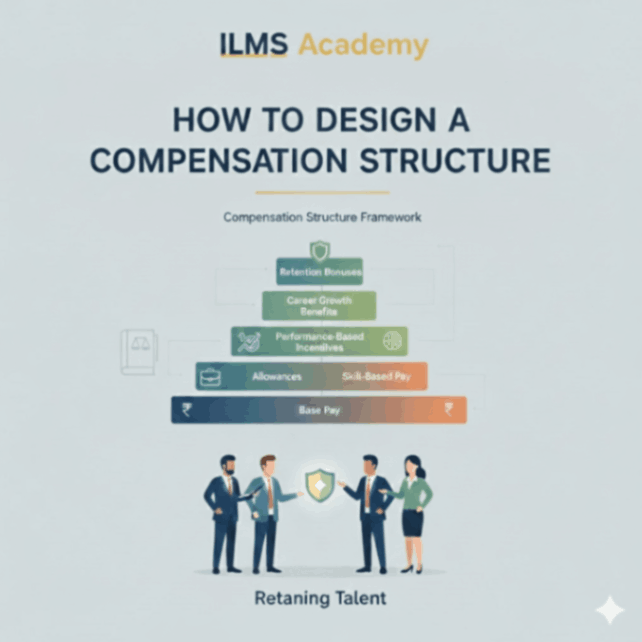
A compensation structure typically includes:
- Base Salary: The fixed monetary amount paid to an employee in exchange for their work. It is often determined by factors such as industry standards, job roles, and geographic location.
- Bonuses and Incentives: Performance-based rewards that incentivize employees to exceed specific goals or targets. This may include annual bonuses, project completion bonuses, or profit-sharing schemes.
- Benefits: Additional perks such as health insurance, retirement plans, paid time off (PTO), and wellness programs that add value to the overall compensation package.
- Equity or Stock Options: Ownership in the company that aligns employees' interests with the long-term success of the organization. Equity-based compensation is often used in startups or high-growth companies.
- Allowances and Perks: Non-cash benefits like transportation allowances, meal vouchers, housing allowances, or company cars. These enhance an employee’s quality of life and can be used as retention tools.
Types of Compensation: Monetary vs Non-Monetary
Compensation comes in two primary forms: monetary and non-monetary. Both types are essential to creating a comprehensive and attractive package for employees.
Monetary Compensation includes direct financial rewards such as:
- Base Salary: Regular payments based on a set wage or hourly rate.
- Incentives and Bonuses: Performance-based financial rewards.
- Commission: Pay based on sales or achieving certain performance metrics.
- Profit Sharing: A system where employees receive a share of the company’s profits.
Non-Monetary Compensation includes indirect rewards that contribute to employee satisfaction but are not directly in the form of money. Examples include:
- Career Development Opportunities: Training, workshops, or tuition reimbursement that supports an employee’s professional growth.
- Recognition Programs: Formal acknowledgment of employees’ achievements through awards, public recognition, or promotions.
- Flexible Work Arrangements: Telecommuting, flexible hours, or compressed work weeks that improve work-life balance.
- Health and Well-Being Programs: Fitness memberships, mental health support, or wellness initiatives.
Direct vs Indirect Compensation
Compensation can also be classified into direct and indirect categories based on whether the employee receives it in the form of cash or through benefits.
Direct Compensation:
- Base Salary: The most straightforward form of direct compensation.
- Bonuses and Commissions: Additional pay based on specific achievements or targets.
Indirect Compensation:
- Benefits: Health insurance, retirement plans, and other non-cash benefits.
- Perks: Work-life balance initiatives, recognition programs, and opportunities for professional growth.
Both direct and indirect compensation components play essential roles in attracting, motivating, and retaining employees. An effective compensation structure should balance both to meet employees' diverse needs and preferences.
5. Link Between Compensation and Employee Retention
The connection between compensation and employee retention is undeniable. Compensation serves as the foundation of an employee’s relationship with the company. When designed thoughtfully, compensation structures help foster loyalty, motivation, and job satisfaction—leading to long-term retention. Here’s how compensation impacts retention:
- Motivation and Job Satisfaction: Employees who feel that they are compensated fairly for their contributions are more likely to be motivated and satisfied with their jobs. When employees are motivated, they are more engaged and likely to remain with the organization.
- Commitment to the Organization: A well-designed compensation package demonstrates that the organization values its employees. This sense of being valued strengthens the emotional bond employees have with the company, making them more committed and less likely to leave.
- Rewarding Long-Term Contributions: A compensation structure that rewards long-term performance, such as retention bonuses, profit-sharing, or stock options, encourages employees to stay longer with the organization, aligning their personal growth with the company's success.
- Reducing Turnover Costs: High turnover rates can be costly for businesses, both in terms of recruitment and training. By offering competitive compensation, companies can reduce turnover and avoid the associated costs, creating a stable workforce.
6. How Compensation Influences Motivation and Loyalty
Compensation is a major driver of motivation and loyalty. Let’s look at how:
- Financial Security: Competitive compensation ensures that employees are financially secure. When employees feel financially stable, they are more likely to be satisfied with their jobs and feel less inclined to seek opportunities elsewhere.
- Recognition of Effort: A well-structured compensation plan recognizes employees' hard work, skill, and effort. This recognition boosts morale and motivates employees to perform at their best, leading to greater productivity and loyalty to the organization.
- Personal and Professional Growth: Employees who receive performance-based rewards such as bonuses, promotions, and career development opportunities are more likely to stay with the company. These rewards signal that the organization values their growth and future potential.
- Equity and Fairness: When employees perceive compensation as equitable, they are more likely to stay loyal. Discrepancies in pay can lead to dissatisfaction, frustration, and increased turnover. Thus, ensuring fairness in compensation structures is crucial for maintaining employee loyalty.
- Non-Monetary Factors: Apart from financial incentives, other aspects like work-life balance, job autonomy, and opportunities for professional development also play a role in motivating employees. A comprehensive compensation structure that balances both monetary and non-monetary factors tends to retain talent for the long haul.
7. Common Retention Challenges Related to Pay
Despite a well-structured compensation package, organizations often face retention challenges related to pay. These challenges arise when the compensation structure does not meet employee expectations or market standards. Here are some common challenges:
- Pay Disparities: Employees who discover that their compensation is lower than their peers—either within the organization or in comparison to competitors—may feel undervalued, leading to dissatisfaction and ultimately, turnover.
- Inflexibility: Rigid compensation structures that do not accommodate different employee needs (e.g., varying compensation expectations across generations or roles) may cause dissatisfaction. A one-size-fits-all approach to compensation can make employees feel unappreciated and lead to disengagement.
- Lack of Career Progression: If compensation does not reflect career growth or milestones, employees may feel that their long-term potential is being ignored, which can lead to attrition.
- Underwhelming Benefits Package: Employees increasingly value benefits like healthcare, retirement savings, and work-life balance. A benefits package that is outdated or inadequate can make employees seek better offers elsewhere.
- Market Competitiveness: Failing to regularly benchmark compensation against market trends can lead to compensation packages that fall behind industry standards, causing employees to consider other job offers.
- Not Rewarding Top Performers: Employees who consistently outperform others expect to be rewarded accordingly. Failing to do so can lead to frustration and a decline in motivation, driving talented individuals away.
8. Key Principles of an Effective Compensation Structure
To design a compensation structure that not only attracts talent but also retains it, organizations should focus on key principles. These principles ensure that the compensation system is balanced, competitive, and effective in motivating and retaining employees.
Internal Equity
Internal equity refers to the fairness and consistency in pay within an organization. Employees should feel that their pay is fair in relation to others who have similar roles, responsibilities, and levels of experience. Internal equity is vital for maintaining morale and loyalty because discrepancies can lead to dissatisfaction.
- Consistency: Pay should reflect the relative value of jobs and employee contributions. Positions requiring similar skills and experience should have comparable compensation.
- Fairness: Transparency in how pay levels are determined and how raises and bonuses are awarded is essential for internal equity. Employees should trust that the compensation structure is free from favoritism or bias.
- Alignment with Organizational Values: Ensure that compensation aligns with the company’s mission and culture. If an organization promotes a collaborative culture, the pay structure should reflect values such as teamwork and shared success.
External Competitiveness
External competitiveness involves ensuring that an organization’s compensation packages are competitive with those offered by similar companies in the same industry and geographic location. Competitive pay helps attract talent and prevent the loss of skilled employees to competitors.
- Market Research: Organizations must conduct regular market research to stay updated on industry pay standards and adjust their compensation packages accordingly.
- Pay Banding: Establishing pay bands for specific roles can help maintain competitiveness. Pay bands should reflect industry norms and account for factors like the company’s size, location, and profitability.
- Differentiation for Key Roles: Some roles may be more critical to the organization’s success and may require a higher level of compensation to attract and retain top talent. Identifying and differentiating compensation for key roles is important for external competitiveness.
Pay-for-Performance
Pay-for-performance is a compensation strategy where employees are rewarded based on their performance. This principle is closely tied to motivation, as it directly ties financial rewards to individual or team achievements.
- Incentives: Bonuses, commissions, and performance-based raises are common pay-for-performance elements. These rewards encourage employees to strive for excellence and meet organizational goals.
- Clear Metrics: For pay-for-performance to be effective, there must be clear, measurable performance metrics in place. These metrics should be aligned with the company’s objectives and be realistic and attainable.
- Recognition: Beyond financial rewards, employees should receive recognition for their performance. Public acknowledgment or career development opportunities can further motivate employees to continue excelling.
Transparency and Fairness
Transparency and fairness in compensation structures are crucial for fostering trust within the organization. When employees understand how their pay is determined and feel that the process is equitable, they are more likely to stay engaged and loyal.
- Clear Communication: Organizations should be transparent about how compensation decisions are made, including salary bands, bonuses, and incentive programs.
- Equitable Distribution: Compensation decisions should be free from bias or favoritism. Ensuring that everyone is treated fairly and equally helps build a culture of trust.
- Open Dialogue: Encouraging employees to discuss their compensation concerns and providing a clear, respectful process for addressing these concerns is essential for maintaining trust.
Flexibility and Customization
- Certificate Course in Labour Laws
- Certificate Course in Drafting of Pleadings
- Certificate Programme in Train The Trainer (TTT) PoSH
- Certificate course in Contract Drafting
- Certificate Course in HRM (Human Resource Management)
- Online Certificate course on RTI (English/हिंदी)
- Guide to setup Startup in India
- HR Analytics Certification Course
Each employee is unique, and their compensation expectations may differ based on personal preferences, family needs, and life stages. A flexible and customizable compensation structure allows employers to meet diverse needs while maintaining fairness and competitiveness.
- Tailored Benefits: Offering flexible benefits, such as health savings accounts, paid family leave, or custom work schedules, allows employees to choose what best suits their lifestyle.
- Personalized Compensation Packages: For high-performing employees or executives, offering personalized compensation packages that may include bonuses, stock options, or career development opportunities can enhance retention.
- Adapting to Changing Needs: As employees’ personal circumstances change (e.g., family needs, career advancement), compensation packages should be adaptable to meet those evolving needs.
9. Steps to Design a Retention-Focused Compensation Structure
Designing a compensation structure that focuses on employee retention involves a strategic, methodical approach to ensure that the structure is competitive, fair, and aligned with organizational goals. Below are the critical steps involved in developing such a compensation structure:
Step 1: Conduct a Job Analysis and Evaluation
The first step in designing an effective compensation structure is conducting a job analysis. This involves gathering detailed information about each job role within the organization, including the skills, responsibilities, and qualifications required.
- Job Descriptions: Clear, comprehensive job descriptions should be created for each role, outlining the tasks, responsibilities, and expectations.
- Skill and Experience Requirements: Evaluate the level of education, experience, and technical skills required for each job.
- Job Evaluation: Once you have a clear understanding of the roles, evaluate them based on their importance to the organization. Job evaluation is a systematic process of assessing the relative worth of jobs within the organization, helping to determine fair and equitable compensation.
- Internal Consistency: By evaluating job roles, you can ensure internal equity—making sure that jobs of similar responsibility and difficulty receive similar compensation.
The result of this step is a structured understanding of all the roles within the organization, which serves as the basis for the next stages in compensation design.
Step 2: Perform Market Benchmarking
Once the internal job structure is understood, the next step is market benchmarking. This is the process of comparing your organization’s compensation offerings to those of similar organizations in your industry or geographical region.
- Competitive Pay Data: Research compensation surveys and databases to gather market data on base salaries, bonuses, and other benefits for similar roles. This helps ensure that the company remains competitive and avoids losing talent to competitors with more attractive pay packages.
- Geographical Considerations: Pay standards can vary widely depending on geographic location. Ensure that compensation levels are competitive within the region the company operates.
- Industry Norms: Benchmarking should also consider industry-specific compensation norms. For example, tech companies may offer higher salaries than non-profit organizations, so it’s crucial to understand industry trends.
This step will help ensure that the organization’s compensation is competitive with market rates and that it can attract top talent.
Step 3: Define Compensation Philosophy
A compensation philosophy is a set of guiding principles that reflects how the organization views and structures employee compensation. This philosophy should align with the company's overall business strategy and values.
- Strategic Alignment: The compensation philosophy should be aligned with the company’s business goals. For instance, if the company focuses on innovation, compensation could be tied to performance and achievements in that area.
- Pay Positioning: Determine where the company wants to position itself in the market. Will the company aim to pay at, above, or below market rates? For example, if the company wants to attract top talent, it may offer compensation packages above market rates.
- Internal Consistency: The compensation philosophy should ensure that compensation is fair internally, considering the relative worth of different jobs.
- Flexibility: The philosophy should allow room for flexibility, enabling the organization to adapt to changing market conditions and employee needs.
This step is critical because it sets the overall direction for how compensation will be approached, ensuring that it supports both employee retention and organizational goals.
Step 4: Structure Base Pay and Salary Bands
Base pay is the foundation of any compensation package and should be structured thoughtfully to support retention goals. This step involves determining the salary ranges for various job roles based on factors such as experience, skills, and performance.
- Salary Ranges: Create salary bands for each role or group of similar roles. These bands should be competitive with market rates and allow for progression based on performance and experience.
- Pay Scale Transparency: To ensure fairness and transparency, communicate salary ranges clearly within the organization. Employees are more likely to stay when they understand the potential for salary growth and progression.
- Promotion Pathways: Establish clear criteria for salary progression. Employees should understand how they can increase their salary based on their experience, performance, and tenure.
This step will ensure that the base pay is competitive while also creating a transparent framework for future salary progression, which plays a crucial role in employee retention.
Step 5: Incorporate Incentives and Bonuses
Incentives and bonuses are essential tools for motivating employees and rewarding performance. Including these in the compensation structure encourages employees to strive for excellence and remain loyal to the company.
- Performance-Based Incentives: These could be in the form of annual bonuses, quarterly performance bonuses, or spot bonuses for exceptional work. Tying bonuses to performance helps motivate employees to align their efforts with the organization’s objectives.
- Long-Term Incentives: Stock options, profit-sharing, or equity-based compensation can encourage employees to stay with the organization longer, as they have a vested interest in the company’s long-term success.
- Recognition: Regularly recognizing employees for outstanding contributions through bonuses or other forms of acknowledgment reinforces positive behavior and boosts morale.
Incorporating both short-term and long-term incentives will create a system where employees are motivated to excel and stay committed to the company.
Step 6: Add Benefits and Perks that Matter
Compensation is not just about salary. Benefits and perks are a critical part of the total compensation package, especially in today’s competitive job market.
- Health and Wellness: Offering comprehensive health benefits, including medical, dental, and vision insurance, is essential for attracting and retaining talent.
- Retirement Plans: A strong retirement plan, such as a 401(k) with matching contributions, demonstrates the company’s commitment to employees’ long-term financial security.
- Work-Life Balance: Flexible working arrangements, paid time off (PTO), and family leave policies can significantly improve employee satisfaction and retention.
- Other Perks: Consider offering additional perks such as gym memberships, wellness programs, travel allowances, or educational reimbursements. These perks can set the company apart from competitors.
By offering a well-rounded benefits package that addresses employees’ physical, emotional, and financial well-being, employers can enhance retention and attract high-quality talent.
Step 7: Establish Clear Communication and Feedback Mechanisms
A key aspect of a retention-focused compensation structure is clear communication and feedback mechanisms. Employees should understand how their compensation is determined, what they are eligible for, and how they can improve their earnings over time.
- Transparency: Communicate openly about how compensation is structured, how performance is evaluated, and the criteria for raises and bonuses. When employees understand how compensation decisions are made, they are more likely to feel valued and less likely to leave.
- Regular Feedback: Provide regular feedback on employees’ performance and compensation. Feedback helps employees understand their strengths and areas for improvement, motivating them to stay and grow within the organization.
- Employee Input: Encourage employees to share their thoughts on the compensation package. Use surveys or one-on-one meetings to gather feedback on the perceived fairness and effectiveness of the compensation system.
By maintaining open lines of communication and actively seeking employee feedback, organizations can ensure their compensation structures remain relevant and effective for talent retention.
10. Non-Monetary Compensation Strategies for Retention
While financial compensation plays a significant role in retention, non-monetary strategies can be equally important. Here are some non-monetary strategies that can improve employee satisfaction and retention:
Career Development and Training Opportunities
Employees are more likely to stay with a company that invests in their growth and development. Offering career development programs or training opportunities can foster loyalty by helping employees build their skills and advance in their careers.
- Skills Development: Providing access to workshops, seminars, and online courses can help employees build new skills, making them feel more confident and valuable in their roles.
- Leadership Development: Offering leadership training or mentorship programs helps employees feel supported in their career progression, which can increase their commitment to the company.
Work-Life Balance Initiatives
Work-life balance is increasingly important to employees. Companies that offer flexible work options, paid time off, and support for personal life tend to retain employees for longer periods.
- Remote Work Options: Allowing employees to work from home or have flexible work hours can significantly improve job satisfaction, especially for employees with family or personal commitments.
- Wellness Programs: Offering programs that promote mental and physical well-being can show employees that the company cares about their overall health, which can enhance retention.
Recognition and Rewards Systems
Recognition is a powerful tool for improving job satisfaction and retention. Employees who feel appreciated for their efforts are more likely to stay engaged and loyal.
- Employee of the Month Programs: Regular recognition of outstanding employees can create a positive work environment and motivate others to perform well.
- Peer-to-Peer Recognition: Encourage employees to recognize each other’s contributions, which fosters a culture of appreciation and teamwork.
Positive Work Culture
A positive, inclusive, and supportive work culture is key to retaining employees. When employees feel they are part of a thriving, respectful environment, they are more likely to stay.
- Open Communication: Foster a culture of transparency and open communication, where employees feel comfortable sharing ideas, concerns, and feedback.
- Team Building: Organize team-building activities and social events that allow employees to connect and collaborate outside of the workplace.
By focusing on these non-monetary factors, organizations can create an environment that employees want to be a part of, which is essential for long-term retention.
11. Technology and Tools for Designing Compensation
In today's fast-paced, data-driven world, leveraging technology and tools to design and manage compensation structures has become essential. The right technology solutions can enhance the efficiency, accuracy, and effectiveness of compensation management. Below are some of the key tools and technologies used for designing and managing compensation:
- Certificate Course in Labour Laws
- Certificate Course in Drafting of Pleadings
- Certificate Programme in Train The Trainer (TTT) PoSH
- Certificate course in Contract Drafting
- Certificate Course in HRM (Human Resource Management)
- Online Certificate course on RTI (English/हिंदी)
- Guide to setup Startup in India
- HR Analytics Certification Course
Compensation Management Software
Compensation management software automates and streamlines the compensation planning process. These tools offer a centralized platform for managing compensation data, ensuring accuracy, consistency, and compliance.
- Salary Structure Management: Compensation management software allows organizations to create and manage pay bands, salary structures, and compensation policies in one place. This simplifies the process and ensures alignment with the company's compensation philosophy.
- Bonus and Incentive Tracking: These systems also track employee bonuses, commissions, and incentives, making it easier to link compensation with performance metrics.
- Data Security: Compensation data is sensitive, and these tools ensure that all employee compensation data is securely stored and only accessible to authorized personnel, reducing the risk of data breaches.
- Reporting and Compliance: The software can generate reports that help HR teams monitor pay equity, ensure legal compliance, and make data-driven decisions about future compensation strategies.
Examples of popular compensation management software include PayScale, Compensation Lab, XpertHR, and Salary.com.
Data Analytics and AI in Compensation Planning
Data analytics and artificial intelligence (AI) are transforming compensation planning by enabling data-driven decisions and predictive modeling. These technologies help organizations optimize their compensation structures by providing insights into pay trends, employee behaviors, and market dynamics.
- Predictive Analytics: AI can analyze historical data and predict future compensation trends, allowing HR managers to anticipate market changes and adjust their compensation strategies proactively.
- Data-Driven Decisions: Analytics platforms can provide insights into employee performance, compensation equity, and internal pay gaps. This data can help HR teams design compensation packages that motivate and retain employees while ensuring fairness.
- Real-Time Market Data: AI can aggregate data from various market sources to provide real-time salary benchmarks, helping companies stay competitive by adjusting pay levels based on the latest market trends.
- Personalization: AI can help tailor compensation packages to individual employees, factoring in their unique needs, career progression, and performance, ensuring a more personalized and effective approach.
- Reducing Bias: AI and machine learning algorithms can help reduce unconscious bias in compensation decisions by identifying and mitigating any gender, race, or age disparities in pay.
By integrating data analytics and AI, organizations can ensure that their compensation structures are not only competitive but also aligned with broader business objectives.
12. Case Studies
Case studies provide real-world examples of how companies have successfully implemented retention-focused compensation strategies. Here are two examples:
Company A: Start-Up with Limited Budget, High Retention
Company A is a rapidly growing tech start-up with a small budget for compensation. Despite these financial constraints, the company has managed to maintain high employee retention.
- Innovative Non-Monetary Benefits: To compensate for lower salaries, the company focuses on providing significant non-monetary benefits. These include flexible working hours, remote work options, a strong culture of recognition, and career development opportunities like mentorship programs and skill-building workshops.
- Employee Ownership: The company offers stock options to employees, giving them a vested interest in the long-term success of the company. This not only helps retain talent but also motivates employees to work towards the company's success.
- Personalized Compensation Packages: The company tailors compensation packages to meet the individual needs of its employees. For example, offering additional time off or flexible work arrangements to employees who have family or personal commitments.
- Emphasis on Purpose: The start-up places a strong emphasis on the company’s mission and values, creating a sense of belonging and purpose among employees. This helps retain employees who are passionate about the company's vision and want to contribute to its success.
Results: Despite limited financial resources, Company A has successfully retained top talent by focusing on flexibility, career development, and a strong company culture. Employee turnover remains low, and the company continues to grow.
Company B: Large Enterprise Revamping Compensation for Millennials
Company B, a large multinational corporation, recognized that its compensation structure was not appealing to younger employees, particularly millennials, who prioritized flexibility, work-life balance, and personal growth over traditional monetary rewards.
- Flexible Compensation Models: The company revamped its compensation model by introducing more flexible pay structures. This included offering options for flexible working hours, remote work, and flexible spending accounts for health and wellness.
- Student Loan Repayment and Educational Benefits: Recognizing that many millennials are burdened with student debt, the company introduced a student loan repayment program. Additionally, it offered generous educational reimbursement policies for furthering professional development.
- Wellness and Work-Life Balance Initiatives: To appeal to millennials' desire for a healthy work-life balance, the company expanded its wellness programs. These included gym memberships, mental health support, and generous paid parental leave policies.
- Transparent Communication: The company improved transparency in how compensation decisions were made, including clear guidelines on performance-based raises, bonuses, and promotions.
Results: After implementing these changes, Company B saw a significant improvement in employee engagement and retention. Millennials, in particular, expressed greater satisfaction with the company's efforts to meet their needs, leading to reduced turnover among this demographic.
13. Common Mistakes to Avoid
While designing a compensation structure, there are several common mistakes organizations should avoid to ensure the plan is effective and sustainable:
Ignoring Market Trends
Failing to regularly benchmark compensation against industry trends and market standards is one of the most significant mistakes. Compensation structures that fall behind market rates can lead to increased turnover as employees leave for better-paying opportunities.
- Solution: Regularly conduct market research to ensure that compensation packages remain competitive. Use external sources like salary surveys and compensation reports to stay informed about industry trends.
Focusing Only on Salary
While salary is an essential component of compensation, focusing solely on it overlooks the broader needs of employees. Modern employees value benefits, work-life balance, and career development opportunities just as much as, if not more than, their base pay.
- Solution: Adopt a holistic approach to compensation by offering a balance of salary, benefits, incentives, and non-monetary perks that enhance employee satisfaction and retention.
Lack of Transparency or Regular Review
A compensation structure that lacks transparency or is not regularly reviewed can breed dissatisfaction and mistrust among employees. Employees need to understand how their compensation is determined, and there should be a clear, fair process for performance-based raises and promotions.
- Solution: Establish clear guidelines for compensation decisions and communicate them effectively to employees. Regularly review the compensation structure to ensure it remains relevant and aligned with market standards.
By avoiding these mistakes, organizations can create a compensation structure that effectively retains talent and fosters a positive working environment.
14. Monitoring and Updating the Compensation Strategy
Designing a compensation structure is not a one-time effort—it requires continuous monitoring and timely updates to stay effective. A static compensation model can quickly become out-dated, resulting in employee dissatisfaction, attrition, and reduced competitiveness.
Frequency of Reviews
- Annual or Biannual Reviews: Most organizations conduct formal compensation reviews once or twice a year. These reviews assess the effectiveness of current pay structures, compare salary bands with market rates, and evaluate employee satisfaction.
- Quarterly Spot Checks: In fast-changing industries, quarterly mini-reviews help HR teams catch early signs of dissatisfaction or market misalignment.
- Ad-hoc Adjustments: Economic conditions, sudden industry shifts, or internal reorganizations may require unscheduled compensation evaluations to remain responsive and fair.
Consistent review cycles ensure that pay remains equitable, competitive, and aligned with business goals.
Responding to Workforce Feedback
- Surveys and Focus Groups: Employee feedback is a valuable input in understanding what aspects of compensation matter most. Surveys and focus groups can provide insights into whether employees feel fairly compensated, and what non-monetary benefits they value.
- Exit Interviews: When employees leave, understanding if compensation was a factor can help identify gaps in the system.
- Stay Interviews: These interviews, conducted with current employees, reveal what keeps them motivated and where improvements are needed.
By actively listening to employees, HR teams can make informed changes that directly impact retention and morale.
Adapting to Changing Industry Standards
- Benchmarking Against Peers: Regular comparison with competitors helps identify whether the company’s pay scale is falling behind or exceeding expectations.
- Responding to Legal and Regulatory Changes: Updates to minimum wage laws, tax codes, or equal pay regulations require prompt adaptation of compensation structures to remain compliant.
- Tech Disruption and New Roles: As new job roles emerge due to automation and digital transformation, compensation plans must adapt to accommodate unique skill sets and evolving responsibilities.
Keeping pace with industry changes ensures continued relevance and attractiveness to current and potential employees.
15. Future Trends in Compensation and Talent Retention
The future of compensation strategy is shaped by changing employee expectations, workforce diversity, and technological innovation. HR leaders must anticipate and embrace these trends to stay ahead.
Personalized Pay Packages
Employees now expect compensation to be customized to their lifestyle, needs, and career stage.
- Flex Compensation Models: Offering a menu of options (e.g., higher salary vs. more time off) allows employees to choose what suits them best.
- Modular Benefits Plans: Letting employees pick and choose benefits—from health plans to wellness stipends—can improve satisfaction and retention.
Such flexibility enhances perceived value and encourages long-term commitment.
- Certificate Course in Labour Laws
- Certificate Course in Drafting of Pleadings
- Certificate Programme in Train The Trainer (TTT) PoSH
- Certificate course in Contract Drafting
- Certificate Course in HRM (Human Resource Management)
- Online Certificate course on RTI (English/हिंदी)
- Guide to setup Startup in India
- HR Analytics Certification Course
Equity and Inclusion in Compensation
Pay equity and inclusive practices are no longer optional—they are essential for ethical, sustainable businesses.
- Equal Pay Audits: Regular audits help identify and correct disparities based on gender, ethnicity, or other demographics.
- Inclusive Benefits: Expanding coverage for diverse family structures, mental health, and neurodivergent employees helps build a fairer workplace.
- Transparency Initiatives: Making salary ranges and pay decisions more transparent builds trust and combats hidden inequities.
Organizations that champion equity are more likely to attract and retain a diverse, high-performing workforce.
The Rise of Gig and Remote Workforce
The traditional 9-to-5 office model is being replaced by a mix of remote, hybrid, and gig-based work structures.
- Project-Based Pay Models: With gig workers, compensation must be structured around projects and deliverables rather than time worked.
- Geographic Pay Differentiation: Companies must decide whether to pay remote employees based on their location or the headquarters’ standard.
- Perks for Remote Workers: Benefits like coworking stipends, high-speed internet reimbursements, or remote wellness initiatives are becoming standard.
Embracing flexibility in how and where people work ensures broader access to talent and better retention in a global job market.
16. Conclusion
Recap of Key Strategies
Designing a compensation structure that retains talent is a strategic, ongoing process that involves aligning pay with performance, recognizing employee needs, and staying adaptable to internal and external changes.
- It starts with understanding what compensation means and includes both monetary and non-monetary components.
- Linking compensation to retention and motivation is key, and avoiding common pitfalls like inequity or lack of communication enhances the system’s effectiveness.
- A well-designed structure must incorporate principles like internal equity, external competitiveness, and flexibility.
- Regular monitoring, workforce feedback, and market benchmarking are vital to keep the structure relevant.
- The future calls for personalization, inclusivity, and adaptability to new work models and employee preferences.
Final Thoughts on Building a Long-Term Retention-Oriented Compensation System
A compensation structure is more than just a tool to attract employees—it is a foundation for trust, loyalty, and long-term engagement. When employees feel recognized, fairly paid, and valued for their contributions, they are more likely to stay, perform better, and become brand advocates.
Companies that treat compensation as a strategic asset rather than a cost will see better employee retention, improved morale, and a stronger organizational culture. By designing a system that evolves with time, meets diverse needs, and reflects company values, organizations can create an environment where talent thrives—and stays.
Frequently Asked Questions (FAQ)
Q1. What is a compensation structure, and why is it important?
A compensation structure is a framework that outlines how an organization compensates its employees. It includes base pay, bonuses, incentives, benefits, and non-monetary rewards. It’s important because a well-structured system helps attract, retain, and motivate employees while ensuring fairness, equity, and alignment with business goals.
Q2. How does compensation influence employee retention?
Compensation directly impacts employee satisfaction, motivation, and loyalty. Competitive and fair compensation reduces turnover by making employees feel valued and rewarded for their efforts. In contrast, inadequate or inequitable pay is a leading cause of employee attrition.
Q3. What’s the difference between direct and indirect compensation?
- Direct compensation refers to financial rewards such as salary, bonuses, and commissions.
- Indirect compensation includes non-cash benefits like health insurance, paid time off, retirement plans, training opportunities, and wellness programs.
Both forms are essential to a well-rounded compensation package that supports retention.
Q4. What are the key elements of a retention-focused compensation strategy?
Key elements include:
- Internal equity (fairness within the organization),
- External competitiveness (alignment with market standards),
- Pay-for-performance (rewarding results),
- Transparency (clear communication of pay decisions), and
- Flexibility (personalized and adaptable packages).
Q5. How often should compensation structures be reviewed?
At a minimum, compensation structures should be reviewed annually. However, in dynamic industries or competitive markets, biannual or quarterly reviews may be necessary to ensure competitiveness and internal equity.
Q6. What role does non-monetary compensation play in retention?
Non-monetary compensation plays a significant role in job satisfaction and retention. Offerings like career development, recognition, work-life balance, and a positive culture can enhance employee loyalty—even if monetary pay is not at the top of the market.
Q7. How can organizations ensure pay equity and fairness?
To ensure equity:
- Conduct regular pay audits,
- Use market benchmarking data,
- Apply clear, consistent criteria for raises and bonuses,
- Promote transparent communication about pay policies,
- Address and correct disparities based on gender, race, or other biases.
Q8. How can technology help in designing compensation structures?
Technology, such as compensation management software and AI-powered analytics, helps streamline salary planning, maintain consistency, and ensure market competitiveness. These tools provide insights, automate calculations, support compliance, and aid in strategic decision-making.
Q9. How should remote and gig workers be compensated?
Compensation for remote and gig workers should be based on:
- Role responsibilities,
- Location-based benchmarks,
- Project outcomes (for gig roles), and
- Tailored perks such as coworking stipends, internet reimbursements, or flexible hours.
Transparency and consistency remain crucial, even in flexible work setups.
Q10. What are the risks of not updating compensation strategies regularly?
Failure to update can lead to:
- Loss of competitive talent,
- Internal dissatisfaction,
- Pay inequities,
- Legal compliance issues, and
- Reduced employee engagement.
An outdated compensation model ultimately affects organizational performance and brand reputation.
- Certificate Course in Labour Laws
- Certificate Course in Drafting of Pleadings
- Certificate Programme in Train The Trainer (TTT) PoSH
- Certificate course in Contract Drafting
- Certificate Course in HRM (Human Resource Management)
- Online Certificate course on RTI (English/हिंदी)
- Guide to setup Startup in India
- HR Analytics Certification Course