Introduction
Overview of Career Development in HR
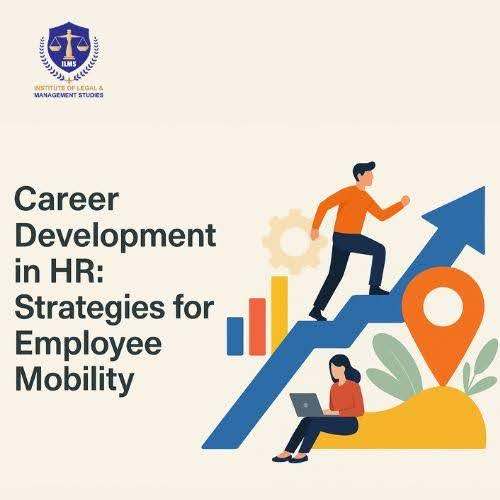
Career development in Human Resources (HR) focuses on the continuous growth and progression of an employee’s skills, knowledge, and experiences in alignment with both personal career goals and the strategic objectives of the organization. It’s a critical aspect of modern HR practices, as it helps businesses retain top talent and ensure that employees are equipped to take on evolving roles as their careers advance. HR professionals work to create clear pathways for employees’ career progression, offering opportunities for growth within the organization.
Career development initiatives not only aim to enhance employee engagement and satisfaction but also ensure that organizations are capable of adapting to changes in the marketplace, technology, and business operations. Effective career development is about fostering a work environment where employees can reach their fullest potential, while the organization simultaneously benefits from a highly skilled and motivated workforce. In this context, career development programs can include mentorship, skill-building workshops, career coaching, and talent management strategies.
Importance of Employee Mobility in Today's Workforce
Employee mobility refers to the ability of employees to move within an organization or across different organizations in their career journey. This mobility can take many forms, including promotions, lateral movements, job rotations, or even lateral moves to other geographical locations or departments. In today’s workforce, employee mobility plays a crucial role in talent management, organizational adaptability, and employee retention.
Employee mobility is vital for several reasons:
- Retention and Engagement: Employees who feel there are opportunities to grow and move within the organization are more likely to stay engaged and loyal. Offering career mobility reduces the likelihood of turnover and enhances employee satisfaction.
- Skill Development and Knowledge Transfer: When employees move across roles, they gain new skills and perspectives that contribute to their overall development. This also helps organizations leverage internal talent to fill gaps in different areas, thus promoting knowledge transfer.
- Flexibility and Adaptability: In a rapidly changing business environment, organizations that support employee mobility are more adaptable. Employees can be redeployed in response to new challenges or projects, ensuring that the business can maintain productivity and efficiency.
- Leadership Development: Mobility offers employees the chance to take on new leadership roles, giving HR the opportunity to identify and nurture future leaders within the organization.
By facilitating employee mobility, organizations are not only meeting their talent needs but also reinforcing a culture of continuous learning and development. This makes employee mobility an essential strategy in HR for building a dynamic, resilient, and engaged workforce.
Understanding Employee Mobility
Definition and Scope
Employee mobility encompasses all types of movement an employee might undertake within or outside an organization, with the goal of career development, skill enhancement, or organizational growth. It involves the movement of employees to new roles, locations, or departments, whether temporarily or permanently. The scope of employee mobility is broad and can include transfers, promotions, lateral moves, secondments, job rotations, international assignments, or even voluntary exits for external opportunities.
The scope of mobility extends beyond just geographical relocation; it also involves lateral moves that allow employees to diversify their skills or expand their knowledge in different functions or business units. Internal mobility is a key element of an organization's talent strategy, while external mobility plays a role in enriching employees' experience through opportunities outside their current organization.
The concept of employee mobility goes hand-in-hand with career development because it provides employees with the tools and opportunities to progress in their professional lives. It also ensures that organizations are agile enough to respond to changes in market demand, talent needs, and the competitive landscape.
Types of Employee Mobility (Internal and External Mobility)
Employee mobility can be divided into two main categories: internal mobility and external mobility.
- Internal Mobility: This refers to the movement of employees within the same organization, without leaving the company. It typically includes transfers, promotions, lateral moves, or job rotations. Internal mobility programs are essential for organizations that want to retain top talent, create career development opportunities, and maintain a strong internal talent pipeline. These programs allow employees to gain diverse experiences and grow their careers within the same company. Internal mobility can take various forms:
- Promotions: Employees are elevated to higher-level positions based on their performance and potential.
- Transfers: Employees move to different departments or locations within the same organization to gain new experiences or meet the company's evolving needs.
- Job Rotations: Employees move across different roles or functions for a set period to broaden their skill set and organizational understanding.
- External Mobility: This refers to the movement of employees outside their current organization, either to a new employer or to a different industry. External mobility can be voluntary or involuntary and occurs when employees leave an organization for better opportunities elsewhere. This type of mobility is also important for career development as it provides employees with exposure to new work environments, challenges, and perspectives. External mobility can include:
- Job Changes: Employees leaving their current employer for a new opportunity at another company.
- Industry Shifts: Employees may transition to a different industry where their skills are in demand.
- Consulting or Freelancing: Some employees opt to leave full-time roles and pursue freelance, consulting, or entrepreneurial ventures.
Both internal and external mobility have their advantages. Internal mobility strengthens the organization’s ability to nurture talent, while external mobility can offer employees the chance to gain broader industry experience. For HR, balancing both types of mobility is critical to fostering a culture of development and adaptability.
Key Drivers of Employee Mobility
Several factors drive employee mobility within an organization and across industries. Understanding these drivers helps HR professionals design effective strategies to encourage movement, ensuring that both the employee and the organization can benefit from such transitions. The key drivers of employee mobility include:
- Career Growth and Development Opportunities: Employees are more likely to seek new roles or assignments if they perceive there are opportunities for advancement or professional growth. Career development programs, training, mentoring, and clear career paths all contribute to motivating employees to explore different roles and responsibilities within the company.
- Workplace Flexibility: Flexible work arrangements, including remote work, hybrid models, and flexible hours, have become increasingly important for employees. The ability to work from various locations or have flexibility in their job roles can drive employees to seek more diverse or non-traditional career opportunities.
- Organizational Change and Restructuring: As businesses evolve, new opportunities emerge. Organizational restructuring, mergers, acquisitions, or changes in business strategy often create openings for employee mobility, as roles may be redefined or new departments formed.
- Globalization and International Opportunities: As companies expand globally, there is an increasing demand for employees to take on international assignments. The possibility of moving to different countries or regions can be a strong motivator for those seeking to broaden their horizons, gain cross-cultural experience, and advance in their careers.
- Technology and Innovation: Advancements in technology often lead to the creation of new roles or the transformation of existing ones. Employees interested in staying at the cutting edge of innovation may seek new positions or projects that align with technological trends and developments.
- Employee Retention and Job Satisfaction: When employees feel stuck in one position or feel that there are limited opportunities for growth, they may begin to look for new roles outside the organization. Ensuring internal mobility through promotions, lateral moves, or skill development programs can help retain top talent and reduce the risk of turnover.
- Workplace Culture and Leadership Support: The culture of an organization, along with the support of leaders and managers, plays a crucial role in encouraging employee mobility. A culture that promotes learning, career growth, and internal promotions tends to create an environment where employees feel comfortable exploring new opportunities within the company.
The Role of HR in Career Development
HR professionals play an essential role in facilitating and supporting career development programs within organizations. Their responsibility goes beyond just recruiting and hiring; HR must actively manage the workforce's ongoing growth to ensure that employees have the skills, opportunities, and resources to achieve their career goals. The role of HR in career development includes:
- Creating Structured Career Paths: HR helps design structured career progression pathways that align with both organizational needs and individual aspirations. These paths provide employees with clear expectations for advancement, training, and development.
- Providing Learning and Development Opportunities: HR identifies skill gaps and works with leadership to offer training programs, workshops, and certifications that enhance employees' competencies and prepare them for future roles.
- Facilitating Mentorship and Coaching Programs: HR facilitates mentorship relationships between employees and leaders within the organization, allowing individuals to gain insights, guidance, and advice for career growth.
- Aligning Employee and Organizational Goals: HR is responsible for aligning employees’ personal career goals with the company’s long-term objectives, ensuring that both parties benefit from career development initiatives.
HR’s Strategic Role in Career Development
HR’s role in career development is increasingly strategic, moving beyond operational tasks like job postings and payroll management. In modern organizations, HR must partner with leadership to build a sustainable talent strategy that nurtures employees' long-term growth and aligns with the business's goals. HR’s strategic involvement in career development includes:
- Talent Retention: A well-developed career progression strategy helps retain valuable employees by offering them opportunities for personal and professional growth. By aligning employee goals with business objectives, HR can keep employees motivated, engaged, and loyal.
- Succession Planning: HR ensures that there is a strong talent pipeline for leadership positions. By identifying and developing high-potential employees, HR can create a succession plan that prepares the organization for future leadership transitions.
- Workforce Agility: HR can foster career mobility by ensuring employees are equipped with the skills and experiences necessary to adapt to new roles within the organization. This helps the company remain flexible in responding to market changes and evolving business needs.
- Employee Engagement: Career development is one of the key drivers of employee engagement. When employees feel that they have opportunities to grow within the company, they are more likely to be committed to their work and the organization.
Aligning Employee Career Paths with Organizational Goals
To create a successful career development program, it is essential that employee career paths align with the broader organizational goals. This alignment ensures that employees are not only progressing in their careers but also contributing to the company’s success. HR can achieve this by:
- Understanding Organizational Needs: HR should work closely with business leaders to understand the company’s strategic goals, growth areas, and potential skill shortages. This knowledge will allow HR to create career development opportunities that directly contribute to the organization's objectives.
- Setting Clear Career Progression Frameworks: By developing clear pathways for employees, HR ensures that individuals understand how their career development contributes to the company’s growth. These frameworks can include skill acquisition, project management, and leadership training that aligns with business needs.
- Customized Development Plans: HR should tailor career development programs to individual employee needs while ensuring that these align with the company's long-term plans. Personalized career growth plans can motivate employees while ensuring their development is aligned with the organization’s goals.
Benefits of Career Development Programs for Both Employees and Employers
Career development programs offer significant advantages for both employees and employers. For employees, the benefits include:
- Enhanced Skills and Knowledge: Career development programs give employees the tools and knowledge needed to advance in their careers, helping them acquire new skills and capabilities.
- Increased Job Satisfaction: Employees who have clear career progression opportunities are more satisfied with their jobs because they feel supported in their growth and development.
- Higher Employee Retention: When employees feel that they can advance within the company, they are more likely to stay, reducing turnover and the associated costs of recruitment and training.
For employers, the benefits of career development programs are:
- Improved Productivity: Well-developed employees can take on more complex tasks and responsibilities, increasing overall productivity.
- Stronger Talent Pool: Organizations with strong career development programs attract and retain top talent, ensuring they have a skilled and motivated workforce.
- Better Succession Planning: By preparing employees for future roles, career development programs ensure that the company has a ready talent pool to fill leadership and critical positions.
Strategies for Promoting Employee Mobility
Identifying Career Growth Opportunities
To promote employee mobility, HR must first identify career growth opportunities that align with both organizational goals and employee aspirations. This involves mapping out potential career paths within the company and regularly assessing the skills and interests of employees. HR can achieve this by:
- Regular Career Discussions: HR can initiate conversations with employees about their career goals and interests, helping them identify potential growth opportunities within the company.
- Skill Assessments: Regular skill assessments can help HR identify gaps and opportunities for training, ensuring that employees are prepared for future roles.
- Job Rotation Programs: Implementing job rotation programs allows employees to explore various functions within the organization, enhancing their skill set and preparing them for diverse roles.
Internal Mobility Programs: Creating Pathways for Career Advancement
Internal mobility is a powerful strategy for promoting employee growth while retaining top talent. Creating pathways for career advancement within the organization can increase engagement and loyalty. HR can create effective internal mobility programs by:
- Providing Career Development Resources: Offering resources such as training programs, mentorship, and coaching that help employees prepare for new roles within the company.
- Encouraging Internal Job Postings: Making job openings visible to internal employees ensures that they are aware of opportunities for advancement and can apply for roles that align with their skills and aspirations.
- Developing Leadership Programs: Creating leadership development programs helps employees transition into managerial roles, preparing them for future leadership positions within the organization.
Cross-functional and Cross-geographical Mobility
Cross-functional and cross-geographical mobility are important strategies for enhancing employee skills, broadening their perspectives, and increasing organizational flexibility.
- Cross-functional Mobility: This involves moving employees between different departments or business units. It helps employees gain diverse skills and experience, which is critical for personal growth and enhances the organization's ability to adapt to various business needs.
- Cross-geographical Mobility: This type of mobility enables employees to move to different locations, whether nationally or internationally, to take on new roles. It provides employees with global experience and helps organizations manage talent across their global operations.
Both cross-functional and cross-geographical mobility help build a versatile and agile workforce, allowing the organization to tap into the full potential of its employees.
Career Coaching and Mentorship Programs
- Certificate Course in Labour Laws
- Certificate Course in Drafting of Pleadings
- Certificate Programme in Train The Trainer (TTT) PoSH
- Certificate course in Contract Drafting
- Certificate Course in HRM (Human Resource Management)
- Online Certificate course on RTI (English/हिंदी)
- Guide to setup Startup in India
- HR Analytics Certification Course
Career coaching and mentorship programs are fundamental to supporting employee mobility, providing guidance and direction as employees navigate their career paths. These programs pair employees with experienced leaders or coaches who can provide personalized advice, feedback, and insights based on their experience and expertise.
- Career Coaching: Career coaches work one-on-one with employees to help them define their career goals, identify strengths and areas for growth, and create actionable plans for achieving their ambitions. Coaching can be particularly useful for employees looking to make a career shift or transition into leadership roles. It provides tailored guidance to enhance career development, address challenges, and build confidence in pursuing new opportunities.
- Mentorship Programs: Mentorship involves a more informal relationship, where experienced employees or leaders guide less experienced employees. Mentors share knowledge, wisdom, and expertise, offering advice on both personal and professional growth. These relationships foster a sense of community and belonging, motivating employees to pursue internal mobility opportunities.
By implementing coaching and mentorship programs, HR can facilitate employee mobility by preparing individuals for new challenges and roles within the organization. These programs enhance career development, promote leadership succession, and ensure employees feel supported as they explore new opportunities.
Succession Planning and Talent Pools
Succession planning is a critical component of employee mobility that involves identifying and preparing high-potential employees to take on key leadership roles within the organization. A well-structured succession plan ensures that the company has a steady supply of qualified candidates ready to step into senior positions when needed.
- Talent Pools: Talent pools are groups of employees who have been identified as potential candidates for future leadership or critical roles. HR plays an essential role in managing these talent pools by evaluating employees based on their skills, performance, and leadership potential. Through internal mobility, HR can help these individuals develop the skills and experience needed for future roles, ensuring that there is a smooth transition when vacancies arise.
- Succession Planning Process: The succession planning process begins with identifying the roles that are crucial for the organization's continued success. HR collaborates with leadership to evaluate the competencies required for these roles and ensures that high-potential employees are provided with the necessary development opportunities. Regular assessments of employees within the talent pool help identify areas for improvement and tailor development programs to equip them with the skills they need.
Succession planning not only supports employee mobility but also strengthens the overall organizational structure by ensuring leadership continuity. It is an essential strategy for organizations aiming to develop future leaders from within their workforce.
Tools and Technologies for Supporting Employee Mobility
As organizations continue to evolve and expand, HR needs to leverage advanced tools and technologies to support employee mobility and career development. These technologies provide the infrastructure needed to track, manage, and facilitate career progression and internal movement.
Learning and Development Platforms
Learning and development (L&D) platforms play a central role in supporting employee mobility by offering employees access to the necessary skills, knowledge, and resources to grow within the company. These platforms can include a variety of training programs, e-learning courses, certifications, and workshops that are designed to align with career development goals.
- Personalized Learning: L&D platforms use artificial intelligence (AI) and machine learning algorithms to recommend personalized learning paths based on employees’ roles, interests, and career aspirations. This ensures that employees are equipped with the skills needed to move into new roles and succeed in them.
- On-demand Learning: These platforms offer employees the flexibility to learn at their own pace, making it easier for them to engage in skill-building activities while balancing their work responsibilities.
- Leadership Development Programs: Many L&D platforms offer targeted programs for developing leadership skills, helping employees transition into management roles and advance their careers within the company.
By integrating L&D platforms into career development programs, HR can ensure that employees have access to the resources necessary for their professional growth, making mobility and advancement more achievable.
Employee Career Development Plans (CDPs)
Employee Career Development Plans (CDPs) are individualized, structured plans created by HR to help employees set clear career goals, identify required skills, and outline the steps needed to achieve their aspirations. CDPs are dynamic, evolving over time as employees acquire new skills, experience, and feedback.
- Goal Setting: The first step in creating a CDP involves discussing the employee’s short-term and long-term career goals. HR works closely with employees to identify their aspirations and the skills required for their desired roles.
- Developmental Milestones: The CDP should include specific milestones, such as certifications, job rotations, leadership experiences, or skill-building initiatives, that will help the employee achieve their career goals.
- Regular Check-ins: HR schedules regular check-ins with employees to assess their progress toward their career development goals and adjust the plan as necessary. These reviews help ensure that employees are on track and receive the support they need.
CDPs foster ownership of career progression by empowering employees to take control of their growth while ensuring that the organization has a clear roadmap for employee mobility.
Use of HR Analytics in Career Development and Mobility
HR analytics (also known as people analytics) involves the use of data and metrics to analyze and optimize HR processes, including employee mobility and career development. By leveraging data, HR can make informed decisions about how to best support employees in their career progression.
- Predicting Career Movement: HR analytics tools can predict career movement trends by analyzing past data, such as promotions, job changes, and performance reviews. This helps HR identify employees who are likely to pursue new roles within the organization and proactively offer them growth opportunities.
- Identifying High-Potential Employees: Analytics can be used to identify employees with the potential for leadership roles or other key positions within the organization. By examining performance metrics, skills assessments, and career progression data, HR can pinpoint those who are ready for further development and prepare them for mobility.
- Measuring Success: HR analytics can track the success of employee mobility programs by measuring key performance indicators (KPIs) such as retention rates, employee satisfaction, and the speed of internal promotions. This allows HR to adjust strategies and refine career development initiatives to maximize effectiveness.
Using HR analytics ensures that decisions related to employee mobility are data-driven and aligned with organizational objectives, resulting in a more efficient and effective mobility program.
Employee Feedback Mechanisms and Career Progression Tracking
Employee feedback mechanisms and career progression tracking are essential tools for supporting employee mobility, as they provide insights into employee satisfaction, challenges, and growth potential.
- Feedback Surveys: Regular surveys and feedback sessions allow HR to understand employee perspectives on their career development experiences, mobility opportunities, and satisfaction with their current roles. This feedback can be used to refine programs and identify areas where improvements are needed.
- Career Progression Tracking: HR systems can track employees’ progress over time, including promotions, skill development, and mobility within the organization. This data helps HR monitor whether employees are advancing in their careers as planned and whether the organization is meeting its mobility goals.
- 360-Degree Feedback: This type of feedback provides a comprehensive view of an employee's performance, gathered from multiple sources such as peers, managers, and subordinates. It helps identify strengths and areas for development, allowing HR to make informed decisions about the employee’s readiness for a new role or career move.
These mechanisms give HR the ability to provide timely and relevant support for employees, ensuring they receive the feedback and resources necessary to achieve their career goals.
Challenges in Implementing Employee Mobility Strategies
While employee mobility strategies offer numerous benefits, organizations often face challenges when implementing them. These challenges can stem from various factors, including organizational barriers, employee resistance, and structural constraints. Identifying and addressing these challenges is essential to creating a successful mobility program that supports both organizational goals and employee career development.
Organizational Barriers
Organizational barriers can significantly hinder the successful implementation of employee mobility strategies. These barriers are often deeply embedded in the company’s culture, structure, and processes, making them difficult to overcome. Some key organizational barriers include:
- Lack of Clear Mobility Policies: Without well-defined internal mobility policies, employees may feel uncertain about how they can move between roles or departments. HR must establish transparent guidelines and communicate them clearly to employees to foster a culture of mobility.
- Limited Resources for Development Programs: Implementing mobility strategies requires resources, including training, mentorship, and career coaching. Organizations may struggle with allocating sufficient resources to support these programs, especially in smaller businesses with limited budgets.
- Siloed Departments and Teams: In some organizations, departments and teams operate in silos, making cross-functional mobility challenging. A lack of coordination between departments can create barriers to employee movement, as departments may be reluctant to share talent or accommodate transfers.
- Short-Term Focus on Talent Needs: Organizations focused on short-term business goals may prioritize filling immediate vacancies rather than investing in long-term employee mobility. This can lead to stagnation, as employees may not have access to career growth opportunities that align with organizational strategies.
Overcoming these organizational barriers requires a shift in mindset from a short-term, transactional approach to a more long-term, strategic focus on employee development and mobility. HR must work with leadership to ensure that internal mobility becomes a core component of the organization’s talent strategy.
Employee Resistance to Mobility
Employee resistance to mobility is another significant challenge that organizations must address. Employees may resist moving to new roles or departments for various reasons, including fear of the unknown, concerns about job security, and a lack of trust in the mobility process. Some common forms of resistance include:
- Fear of Job Insecurity: Employees may be hesitant to explore new roles if they perceive mobility as a risk to their job security. They may worry that switching roles could result in a demotion, loss of benefits, or a lack of stability. HR can mitigate these concerns by clearly communicating the benefits of internal mobility and emphasizing the company’s commitment to employee growth and development.
- Lack of Trust in the Process: If employees feel that mobility decisions are not transparent or fair, they may resist participating in mobility programs. This can happen if employees believe that certain individuals or groups are given preferential treatment, or if the process lacks clear criteria. HR can address this issue by establishing clear, objective mobility policies and ensuring that employees have access to fair and transparent career development opportunities.
- Comfort with Current Role: Many employees may be comfortable in their current positions and may be unwilling to leave because they have developed expertise in their current role or because they have built strong relationships with colleagues. In these cases, HR can emphasize the personal and professional growth that comes with taking on new challenges and roles, highlighting how mobility can enhance their long-term career prospects.
- Uncertainty about Career Pathways: Employees may resist mobility if they do not see clear career progression opportunities within the company. Without understanding how moving to a different role aligns with their career goals, employees may hesitate to make a move. HR can address this challenge by helping employees map out career paths and showing how different roles align with their development objectives.
To overcome resistance, HR must create a culture that encourages and supports mobility, provides training to help employees navigate career transitions, and communicates the benefits of mobility in terms of growth, development, and job satisfaction.
Balancing Talent Needs with Career Development Opportunities
One of the key challenges in implementing employee mobility strategies is balancing the organization's talent needs with the individual career development aspirations of employees. While employee mobility can enhance job satisfaction and retention, organizations must ensure that their mobility strategies align with both current business requirements and long-term goals.
- Meeting Immediate Business Needs: At times, organizations may face urgent talent shortages in certain areas, requiring quick hires or promotions. In such situations, it can be challenging to balance the urgency of filling these gaps with the longer-term goal of supporting employee career development. HR must find ways to address both immediate and future needs by carefully planning mobility strategies and ensuring that talent movements align with broader business objectives.
- Aligning Individual and Organizational Goals: Employees often have personal career aspirations that may not always align with the current needs of the organization. For example, an employee may want to move into a leadership role, but the organization may not have an immediate opening for a managerial position. In such cases, HR must work with employees to find alternative growth opportunities (e.g., lateral moves, special projects, or leadership training) that can help them develop their skills while still contributing to organizational goals.
- Balancing Lateral Moves and Promotions: While promotions are often the primary form of internal mobility, lateral moves—where employees move across functions or departments at the same level—can also be valuable for career development. Lateral moves allow employees to gain broader experience and develop new skills, which can prepare them for future promotions. HR must ensure that there are sufficient opportunities for both lateral moves and upward mobility, so employees can see a diverse range of career paths within the organization.
By carefully balancing the organization’s talent needs with employees’ career development aspirations, HR can ensure that mobility strategies benefit both parties and contribute to the company’s long-term success.
Overcoming Structural and Logistical Constraints
Organizational structures and logistical constraints often present challenges to the successful implementation of employee mobility strategies. These constraints can include rigid reporting lines, bureaucratic processes, and limited infrastructure to support mobility initiatives. Some of the key challenges include:
- Hierarchical Organizational Structures: In highly hierarchical organizations, there may be limited flexibility for employees to move laterally or take on new roles outside of their immediate reporting line. Employees may feel restricted by the organization’s structure and may be discouraged from seeking new roles. HR can address this by creating more flexible career development frameworks that allow for cross-functional mobility and less rigid role definitions.
- Limited Support Systems for Mobility: Organizations may lack the infrastructure to support employee mobility, such as career coaching, mentorship programs, or learning and development resources. HR must invest in the necessary systems, tools, and platforms to support mobility. This includes providing adequate training, career counseling, and leadership development programs that help employees transition smoothly into new roles.
- Bureaucratic Processes: In some organizations, internal mobility processes may be slow, bureaucratic, and overly complex, discouraging employees from pursuing career changes within the company. Simplifying and streamlining mobility processes can make it easier for employees to apply for new roles, participate in talent development programs, and track their career progression.
- Geographical Constraints: For organizations with multiple locations or international offices, geographic barriers may limit employee mobility. Employees may be reluctant to relocate due to personal, family, or logistical reasons. HR can overcome this challenge by offering remote work options, flexible relocation packages, or opportunities for short-term assignments that allow employees to gain experience in different locations without committing to permanent relocation.
Addressing structural and logistical constraints requires a commitment from leadership to create a more agile, supportive environment for employee mobility. HR must work with management to identify and remove barriers that prevent employees from pursuing career development opportunities and ensure that mobility processes are as seamless as possible.
Case Studies and Best Practices
- Certificate Course in Labour Laws
- Certificate Course in Drafting of Pleadings
- Certificate Programme in Train The Trainer (TTT) PoSH
- Certificate course in Contract Drafting
- Certificate Course in HRM (Human Resource Management)
- Online Certificate course on RTI (English/हिंदी)
- Guide to setup Startup in India
- HR Analytics Certification Course
Implementing effective employee mobility strategies is not just about theory but also about learning from the experiences of leading companies. Examining case studies of successful employee mobility programs provides valuable insights into the best practices that organizations can adopt. By analyzing real-world examples, HR leaders can understand how other companies have created impactful career development opportunities and fostered a culture of mobility within their workforce.
Successful Employee Mobility Programs in Leading Companies
Many leading organizations have implemented robust employee mobility programs that offer career growth opportunities, promote internal talent, and enhance employee engagement. Here are a few examples of successful programs:
1. Google: Internal Mobility and Career Growth
Google is renowned for its employee-centric culture and robust internal mobility programs. The company’s mobility initiatives are designed to offer employees multiple opportunities to grow within the organization, regardless of their role or department. One of Google’s most successful programs is its "gCareer" initiative, which encourages employees to apply for new roles within the company. This program is not just limited to promotions but also includes lateral moves, providing employees with opportunities to explore different functions and teams.
Google’s success lies in its strong focus on personalized career development plans and a data-driven approach to track employee performance and potential. Employees are provided with career coaches and mentors who help them navigate the internal job market. By offering continuous learning and development opportunities, Google empowers employees to grow in various directions, making mobility a key part of its organizational culture.
Key Takeaways:
- Clear, transparent internal mobility processes.
- A culture of learning and flexibility that allows for both upward and lateral mobility.
- Continuous support for career development through coaching and mentoring.
2. Deloitte: Lateral Mobility and Leadership Development
Deloitte’s employee mobility programs emphasize lateral moves and leadership development. The company offers various career paths that allow employees to move between functions, industries, and geographic locations. Deloitte’s global talent management strategy includes developing leadership pipelines through lateral moves to provide employees with diverse experiences across different regions and departments.
One example is their “Deloitte University,” which is designed not just as a learning center, but as a hub where employees can identify future leadership roles. Deloitte combines lateral mobility with leadership training, allowing employees to rotate through multiple teams and functions to build a well-rounded skillset.
Key Takeaways:
- Focus on lateral mobility to build a diverse skill set.
- Strong emphasis on leadership development through training and mentorship.
- Global programs that allow for geographic mobility within the organization.
3. IBM: Talent Mobility and AI-Driven Career Pathing
IBM is an example of how technology can enhance employee mobility. The company uses AI-driven career pathing tools to help employees visualize their career trajectories within the organization. IBM’s “Your Learning” platform offers personalized learning experiences based on individual career aspirations and skill gaps.
The company also promotes employee self-navigation through its mobility program, where employees can choose their career paths, apply for internal roles, and access relevant training to support those transitions. IBM has successfully integrated artificial intelligence (AI) with HR analytics to match employees with roles that align with their skills and ambitions.
Key Takeaways:
- The use of AI to guide career development and match employees with internal opportunities.
- A strong emphasis on self-directed career navigation.
- Personalized learning and development paths that cater to individual career goals.
Real-life Examples of Career Development and Mobility Initiatives
Several organizations have adopted innovative approaches to career development and employee mobility. Let’s explore a few real-life initiatives that exemplify how career mobility can be effectively managed:
1. Microsoft: Empowering Employee Career Shifts
Microsoft’s employee mobility strategy is built around empowering employees to move across functions and teams. The company’s “Grow with Microsoft” program provides resources for employees to transition between roles within the company. Microsoft has introduced role rotation programs that allow employees to explore new career directions, even if those roles are completely different from their current positions.
A notable initiative is Microsoft’s internal job marketplace, which enables employees to view job openings within the company and apply directly, making internal mobility more transparent and accessible. Employees also have the opportunity to upskill through various learning and development opportunities tailored to the roles they are interested in.
Key Takeaways:
- Empowerment through an internal job marketplace.
- Role rotation programs that provide exposure to different functions.
- Access to continuous learning for upskilling.
2. Accenture: Accelerating Career Progression through Cross-Functional Mobility
Accenture’s employee mobility program focuses on cross-functional mobility to accelerate career progression. Employees are encouraged to explore opportunities in different business units, enhancing their exposure to different areas of the company. This helps employees build a comprehensive skill set, preparing them for leadership roles in the future.
In addition to internal mobility, Accenture promotes global mobility by offering relocation opportunities to employees who want to gain international work experience. These programs are backed by strong mentorship and leadership development initiatives that guide employees through their career transitions.
Key Takeaways:
- Emphasis on cross-functional mobility to accelerate career progression.
- Global mobility programs for employees seeking international experience.
- Strong mentorship to support transitions and development.
Lessons Learned from Top Organizations
The experiences of leading companies in employee mobility offer several valuable lessons for other organizations. Here are some key takeaways that can help HR teams develop effective employee mobility strategies:
- Clear Communication and Transparency: Successful organizations like Google and Microsoft emphasize transparency in their mobility programs. Clear communication about available opportunities, career paths, and the benefits of internal mobility helps employees feel confident about making career moves within the organization.
- Supportive Leadership and Mentorship: Companies like Deloitte and Accenture highlight the importance of mentorship in guiding employees through mobility. Leadership should not only encourage mobility but actively mentor and coach employees to navigate new roles and challenges.
- Technology Integration: IBM’s use of AI to guide employees in career development is a prime example of how technology can enhance the mobility process. HR technologies, such as career pathing tools, learning platforms, and HR analytics, play a significant role in facilitating smooth transitions and making the mobility process data-driven.
- Comprehensive Learning and Development: Providing employees with the skills and knowledge they need to succeed in new roles is essential. Organizations that invest in continuous learning, such as Microsoft and IBM, give their employees the tools to succeed in a constantly evolving work environment.
- Fostering a Mobility-Friendly Culture: Cultivating a culture that values employee growth and internal movement is crucial. Google’s focus on employee-centered development and Accenture’s cross-functional mobility programs are examples of how organizations can make mobility a natural part of their organizational culture.
These case studies and best practices demonstrate that successful employee mobility strategies require a combination of clear policies, strong leadership support, the use of technology, and a focus on continuous development. By learning from these leading companies, HR professionals can implement more effective and impactful mobility programs that benefit both employees and the organization as a whole.
The Future of Employee Mobility
As organizations continue to adapt to the changing business landscape, employee mobility will play an increasingly pivotal role in shaping the future of career development. The concept of employee mobility is evolving, driven by technological advancements, shifting employee expectations, and new organizational structures. Looking ahead, several key trends will shape how companies approach employee mobility and career development.
Trends Shaping Employee Mobility
- Remote and Hybrid Work Models The rise of remote and hybrid work has radically transformed the way companies think about employee mobility. With more employees working from various locations, geographical mobility is less of a requirement, and talent can be sourced and deployed from anywhere in the world. Remote work has opened up new opportunities for employees to move into roles that were previously restricted by location. This trend is expected to continue as companies embrace flexibility and expand their talent pools.
- Increased Focus on Work-Life Balance and Employee Well-Being Employees are now placing more importance on their work-life balance and overall well-being, with many seeking roles that allow for greater flexibility and personal fulfillment. As a result, employee mobility programs will need to adapt by offering flexible career paths, opportunities for remote work, and roles that align with employees’ personal goals and values. Career development will increasingly involve accommodating these desires while still meeting organizational objectives.
- Lateral Career Growth While promotions remain a traditional form of career advancement, lateral moves are gaining prominence as an important means of career growth. Employees are seeking diverse experiences across different functions and teams, and organizations are recognizing that these lateral moves can build a more versatile and skilled workforce. This trend will likely continue, with companies offering more opportunities for employees to rotate through various roles.
- Gig Economy and Freelance Work The rise of the gig economy is changing the way employees view traditional career mobility. Many employees, especially younger generations, are seeking greater autonomy and the ability to work on a variety of short-term projects. This has implications for internal mobility, as organizations must find ways to accommodate more freelance and contract-based roles. Companies may offer more flexible mobility programs that allow employees to move in and out of full-time roles, depending on their personal career preferences.
- Skills-Based Career Development As the nature of work continues to evolve, employees are placing more emphasis on gaining skills rather than following traditional job titles or career ladders. The future of employee mobility will likely focus on skills-based career progression, where employees are encouraged to develop new competencies and explore roles based on their capabilities, rather than their prior positions. HR teams will need to leverage data and analytics to track employee skills and match them with appropriate internal opportunities.
The Role of Technology in Career Development
Technology is already playing a transformative role in employee mobility and will continue to do so in the future. Here are some ways technology is shaping the future of career development and mobility:
- AI and Machine Learning in Career Pathing AI and machine learning can analyze vast amounts of data to identify career paths and development opportunities that employees may not have previously considered. By analyzing an employee’s skills, performance, and career aspirations, AI can suggest tailored career paths and help HR teams identify high-potential candidates for future roles. These technologies will become crucial in facilitating personalized career development at scale.
- Talent Marketplace Platforms Many organizations are adopting talent marketplace platforms that allow employees to view available roles within the organization and apply directly for them. These platforms often include AI-driven features that match employees with roles based on their skills, interests, and career goals. Talent marketplaces will become increasingly sophisticated, providing employees with a dynamic and transparent view of career opportunities.
- Learning and Development Platforms Learning management systems (LMS) and platforms such as LinkedIn Learning, Coursera, and internal training programs are helping employees upskill and prepare for future roles. These platforms are becoming more integrated with career mobility programs, allowing employees to learn the skills necessary for new roles and track their development progress. As technology continues to evolve, these platforms will become more interactive and personalized, making career development more accessible and efficient.
- Virtual Reality (VR) and Augmented Reality (AR) for Career Exploration Emerging technologies such as VR and AR have the potential to revolutionize how employees explore new roles within the company. For instance, VR can simulate job environments, giving employees a realistic preview of what different roles entail. This type of immersive technology could help employees make more informed decisions about career moves, enhancing their overall experience with mobility programs.
Anticipated Changes in HR Practices for Employee Mobility
The future of HR practices for employee mobility will involve greater adaptability and innovation. HR professionals will need to be proactive in adopting new technologies, rethinking traditional career paths, and addressing the evolving needs of both employees and employers. Here are some anticipated changes in HR practices:
- Certificate Course in Labour Laws
- Certificate Course in Drafting of Pleadings
- Certificate Programme in Train The Trainer (TTT) PoSH
- Certificate course in Contract Drafting
- Certificate Course in HRM (Human Resource Management)
- Online Certificate course on RTI (English/हिंदी)
- Guide to setup Startup in India
- HR Analytics Certification Course
- Flexible Career Development Models As the nature of work continues to shift, HR departments will increasingly embrace more flexible career development models. This will include options for lateral mobility, cross-functional growth, and even opportunities for short-term assignments in different departments or geographies. HR will also need to cater to the growing demand for self-directed career planning, providing employees with the tools and resources to take charge of their career development.
- Data-Driven Decision Making HR teams will continue to integrate data and analytics into their decision-making processes. By using predictive analytics and AI tools, HR will be able to forecast talent needs, identify skill gaps, and create personalized career development paths. These tools will help organizations move from a reactive, ad-hoc approach to mobility to a more strategic, data-driven approach.
- Increased Focus on Employee Experience The future of employee mobility will focus on creating a positive and engaging employee experience throughout the mobility process. This includes offering personalized guidance, mentorship, and support to help employees transition smoothly into new roles. HR will place a greater emphasis on improving the overall experience of moving within the organization, making mobility feel like a natural and rewarding part of an employee’s journey.
- Collaborative Talent Ecosystems Organizations will increasingly collaborate with external talent pools, such as contractors, gig workers, and freelance professionals, to create flexible talent ecosystems. This will allow companies to quickly scale up or down based on their needs, while providing employees with opportunities for short-term assignments or project-based work.
Conclusion
As organizations continue to recognize the importance of employee mobility in career development, the role of HR in promoting and facilitating these transitions will only grow. The future of employee mobility will involve a blend of technology, flexibility, and personalized growth opportunities that empower employees to take charge of their careers.
Summarizing Key Insights
- Employee Mobility as a Strategic Advantage: Employee mobility is no longer just about moving people into new roles; it’s a key strategy for fostering talent retention, engagement, and long-term organizational success.
- Technology’s Pivotal Role: Technologies like AI, machine learning, and talent marketplaces are transforming how mobility is managed, making it more efficient and personalized.
- Balancing Organizational and Employee Needs: Successful mobility programs need to balance organizational goals with employees' personal career aspirations to create a win-win scenario.
- Flexible and Dynamic Career Paths: The future of employee mobility will involve flexible, dynamic career paths that allow employees to grow and adapt to changing business needs and personal goals.
The Importance of a Holistic Career Development Strategy
A holistic career development strategy that incorporates employee mobility is essential for building a resilient, engaged, and high-performing workforce. By fostering a culture that values internal movement, continuous learning, and career growth, organizations can ensure that they are not only meeting their talent needs but also empowering employees to reach their full potential.
Final Thoughts on Promoting Employee Mobility in HR
In conclusion, promoting employee mobility is an ongoing effort that requires leadership commitment, transparent policies, and robust support systems. By embracing new trends and leveraging technology, HR teams can create mobility programs that help employees navigate their careers while contributing to organizational success.
Frequently Asked Questions (FAQ)
1. What is Employee Mobility?
Employee mobility refers to the movement of employees within an organization or across organizations, whether it’s a lateral move, promotion, relocation, or temporary assignment. It is a critical component of career development, offering employees new opportunities for growth and skill acquisition.
2. Why is Employee Mobility Important for Career Development?
Employee mobility plays a vital role in career development as it allows employees to gain diverse experiences, learn new skills, and explore different roles within the organization. It also helps organizations retain top talent, as employees who feel they have opportunities for growth are more likely to stay.
3. What are the Types of Employee Mobility?
Employee mobility can be categorized into two main types:
- Internal Mobility: Movement within the same organization, such as promotions, lateral moves, or role rotations.
- External Mobility: Movement between different organizations, often facilitated by job offers or recruiting.
4. How Can HR Support Employee Mobility?
HR plays a crucial role in supporting employee mobility by creating clear internal mobility programs, offering career coaching, providing learning and development opportunities, and ensuring transparent job postings. HR should also use technology to match employees with relevant roles and track their career progress.
5. What are the Benefits of Employee Mobility for Organizations?
Employee mobility helps organizations by:
- Retaining top talent by offering career growth opportunities.
- Developing a versatile workforce with a wide range of skills.
- Reducing recruitment costs as employees are promoted or shifted internally.
- Improving employee engagement and satisfaction through career advancement opportunities.
6. What Challenges Do Organizations Face in Promoting Employee Mobility?
Organizations often face challenges such as:
- Structural Barriers: Lack of internal mobility structures or processes.
- Employee Resistance: Employees may be hesitant to move into new roles, fearing uncertainty.
- Talent Shortages: Difficulty in filling specialized roles with internal candidates.
- Organizational Culture: A culture that does not fully embrace mobility can hinder the effectiveness of mobility programs.
7. How Can Technology Enhance Employee Mobility?
Technology can enhance employee mobility by providing platforms for internal job postings, using AI for career pathing, offering personalized learning and development programs, and helping track employee progress. Data-driven HR analytics can also help identify skill gaps and potential career growth opportunities for employees.
8. What Role Does Career Coaching Play in Employee Mobility?
Career coaching is essential for guiding employees through career transitions. Coaches can help employees identify their strengths, assess career goals, and navigate potential opportunities within the organization. This guidance enhances employees' confidence in making internal moves and preparing for new roles.
9. How Can Succession Planning Benefit Employee Mobility?
Succession planning ensures that there are identified employees ready to step into leadership or key roles. It helps facilitate smooth transitions and promotes internal mobility by preparing employees for future opportunities. By nurturing talent pools, organizations can fill critical positions internally, reducing the need for external recruitment.
10. What is the Future of Employee Mobility?
The future of employee mobility will likely see greater reliance on technology, with AI and data analytics driving personalized career development plans. Remote work will continue to reshape geographic mobility, while organizations will place more emphasis on lateral mobility and skills-based career growth. Flexibility, personalization, and continuous learning will be key components of future mobility programs.
11. How Can Organizations Overcome Barriers to Employee Mobility?
Organizations can overcome barriers by:
- Building a clear, transparent internal mobility strategy.
- Offering employees the tools, training, and support needed to make career transitions.
- Creating a culture that encourages growth and development.
- Overcoming resistance by communicating the benefits of mobility and career growth clearly.
12. How Can Employees Take Charge of Their Own Career Mobility?
Employees can take charge of their career mobility by:
- Actively seeking learning and development opportunities.
- Networking and engaging with mentors within the organization.
- Keeping track of their skills and career goals.
- Taking the initiative to apply for new roles and discussing career development with HR.
- Certificate Course in Labour Laws
- Certificate Course in Drafting of Pleadings
- Certificate Programme in Train The Trainer (TTT) PoSH
- Certificate course in Contract Drafting
- Certificate Course in HRM (Human Resource Management)
- Online Certificate course on RTI (English/हिंदी)
- Guide to setup Startup in India
- HR Analytics Certification Course